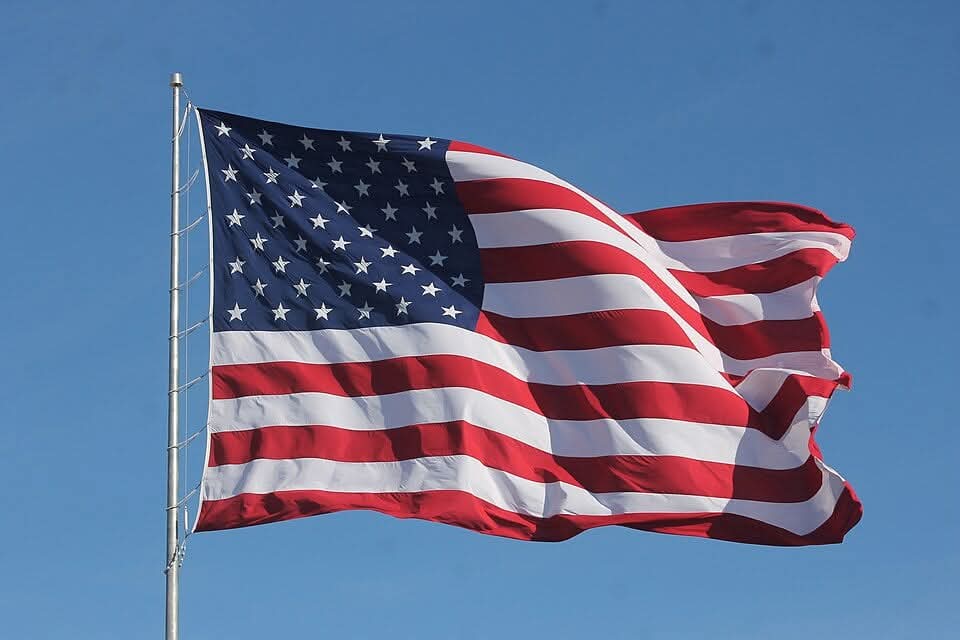

The United States has announced a partial suspension of visa issuance to Nigerian nationals, a policy scheduled to take effect from January 1, 2026.
The announcement was made on Monday by the U.S. Mission in Nigeria via a statement posted on its official X account.
According to the Mission, the measure is being implemented under Presidential Proclamation 10998, which introduces new entry restrictions aimed at strengthening U.S. national security.
Under the directive, several visa categories will be affected.
These include B-1/B-2 visitor visas, F, M and J student and exchange visitor visas, as well as most immigrant visas.
Nigeria is among 19 countries listed under the partial suspension.
Other countries affected by the policy include Angola, Antigua and Barbuda, Benin, Burundi, Côte d’Ivoire, Cuba, Dominica, Gabon, The Gambia, Malawi, Mauritania, Senegal, Tanzania, Togo, Tonga, Venezuela, Zambia and Zimbabwe.
The U.S Mission clarified that the restriction will not apply to all applicants. Exemptions have been provided for certain categories, including dual nationals applying with passports from countries not affected by the suspension, lawful permanent residents of the United States, and participants in major international sporting events.
Also exempted are Special Immigrant Visa holders who worked with the U.S government, as well as ethnic and religious minorities facing persecution in Iran.
It further explained that the proclamation applies only to foreign nationals who are outside the United States as of the effective date and who do not already hold valid U.S visas.
Visas issued before January 1, 2026, will not be revoked as a result of the policy.
According to the Mission, affected applicants may still submit visa applications and attend scheduled interviews, but such applications may ultimately be refused under the new rules.
The policy, issued on December 16, 2025, is described as a security-focused measure targeting countries deemed to pose higher immigration risks.
It does not invalidate existing visas or legal status.
Reactions from Nigerians on social media have been mixed, with many expressing concern over possible financial losses from application fees already paid, while others voiced frustration over the broader implications for travel, education and family reunification.