
The Senate on Tuesday failed once more to pass the much-anticipated Electoral Act (Amendment) Bill, ending another lengthy closed-door deliberation without disclosing any concrete outcome.
Lawmakers spent over four hours in an executive session reviewing the report of the Senate Committee on Electoral Matters, chaired by Senator Simon Lalong, alongside submissions from a seven-member ad hoc committee set up to reconcile disagreements over contentious provisions of the bill.
Despite expectations of progress, plenary resumed around 5:35 pm with no clarity on whether the proposed reforms had advanced.
The closed session followed a motion by Senate Leader, Senator Opeyemi Bamidele, shortly after 1:00 pm, asking the chamber to dissolve into a Committee of the Whole for clause-by-clause consideration of the bill.
Although the ad hoc committee’s report was listed on the Order Paper for final consideration, senators chose to deliberate behind closed doors.
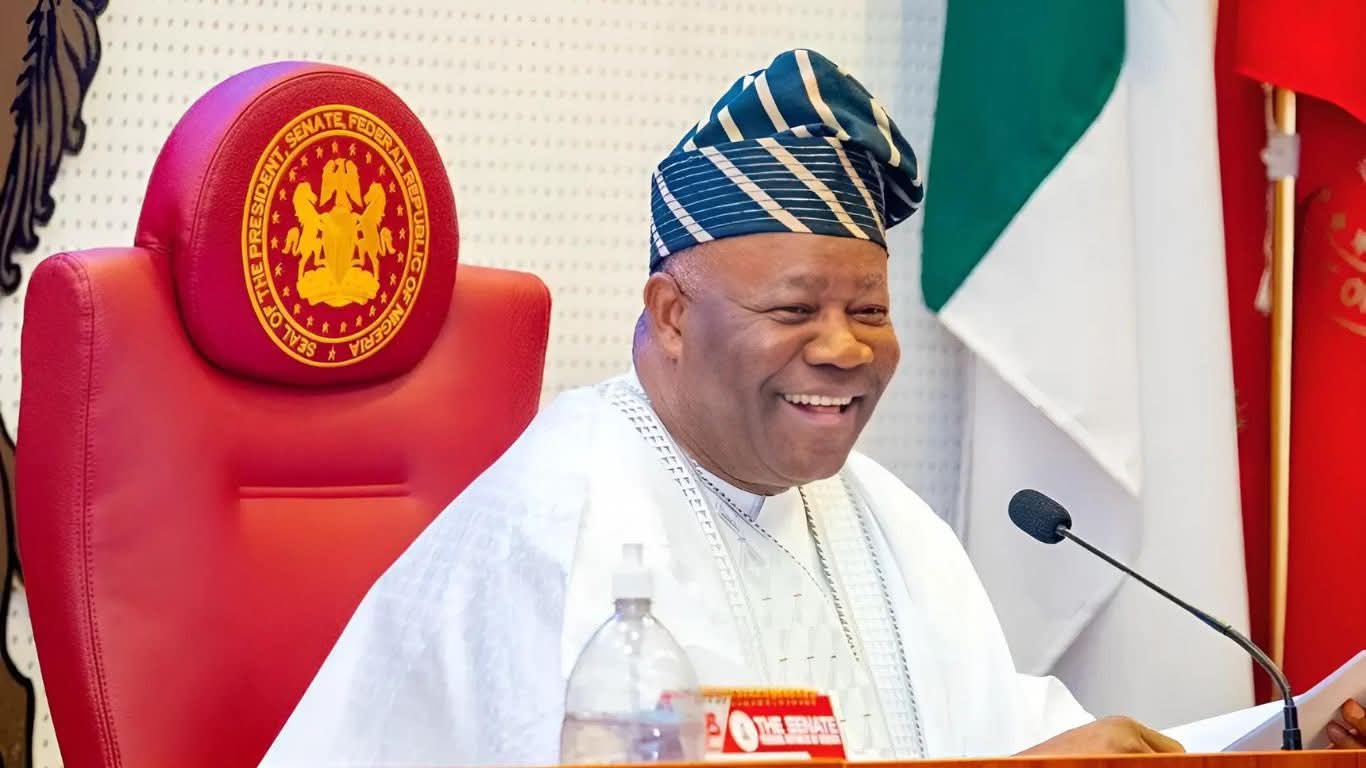
When the Senate reconvened, Senate President Godswill Akpabio offered only a vague summary, stating that discussions focused on matters concerning the Senate and the nation at large.
The chamber endorsed his remarks without further debate, after which the issue was effectively shelved.
Moments later, the Senate adjourned plenary till Wednesday, with no indication of when the bill would return for final passage or whether it had reached the third reading stage.
The continued delay has deepened uncertainty around the fate of the Electoral Act amendment, widely viewed as critical to strengthening Nigeria’s electoral process ahead of the 2027 general elections.
The bill seeks to close loopholes identified in recent polls, enhance transparency, and restore public confidence in elections.
Among the key proposals are mandatory real-time electronic transmission of results, stiffer penalties for electoral offences, updated legal recognition of the Bimodal Voter Accreditation System, and safeguards to protect vulnerable voters.
Other recommendations include criminalising the failure of election officials to properly endorse ballot papers and results.
Opposition parties have criticised the repeated postponements, warning that prolonged delays could undermine the credibility of future elections.
While the Senate insists the ad hoc committee will accelerate the process, Tuesday’s outcome suggests that consensus on the reforms remains elusive.