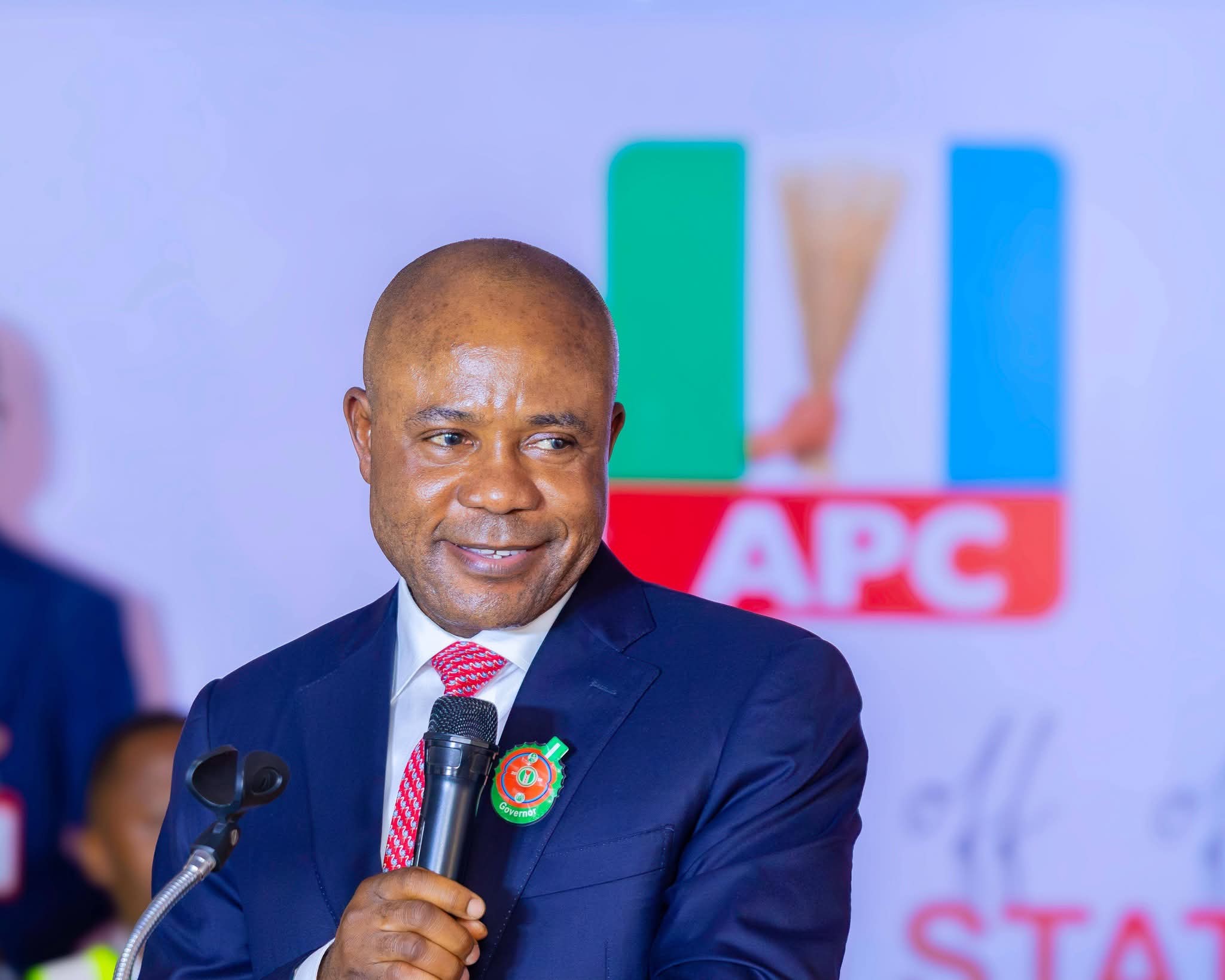

Vice President Kashim Shettima has unveiled a 25-year development blueprint aimed at accelerating economic growth and infrastructure expansion in the South-East, while Enugu State Governor Peter Mbah called for the creation of a unified regional market to unlock the zone’s full potential.
The initiative was presented during the South-East Vision 2050 Regional Stakeholders’ Forum held at the International Conference Centre, Enugu, where political leaders, policymakers and development stakeholders gathered to chart a long-term strategy for the region.
Shettima said the South-East remains a key pillar in President Bola Tinubu’s economic vision, noting that the establishment of the South-East Development Commission is part of efforts to address infrastructural gaps, create jobs and stimulate investment.
He also announced the approval of the South-East Investment Company Limited, a financing vehicle designed to attract funding from the diaspora, capital markets and development partners to support regional projects.
According to the Vice President, the forum marked a shift away from short-term governance priorities toward a structured, multi-decade plan for sustainable development.
Governors from across the region attended the forum, including Peter Mbah of Enugu, Alex Otti of Abia, Charles Soludo of Anambra and Francis Nwifuru of Ebonyi, while Imo State Governor Hope Uzodimma was represented by the Speaker of the State House of Assembly, Chike Olemgbe.
Speaking at the event, Mbah stressed that the South-East must move beyond operating as separate entities and embrace economic integration through the creation of a common market and regional economic bloc.
He argued that the region’s future prosperity lies in unifying its commercial strength, talent base and industrial capacity into a single economic ecosystem capable of competing globally.
Mbah said the proposed South-East Common Market would harmonise trade, encourage collaboration among the five states and position the region as a major economic hub.
He described the Vision 2050 agenda as a strategic framework to tackle challenges that transcend state boundaries, emphasising that sustained growth would depend on the region’s ability to coordinate policies, integrate markets and build large-scale systems for development.