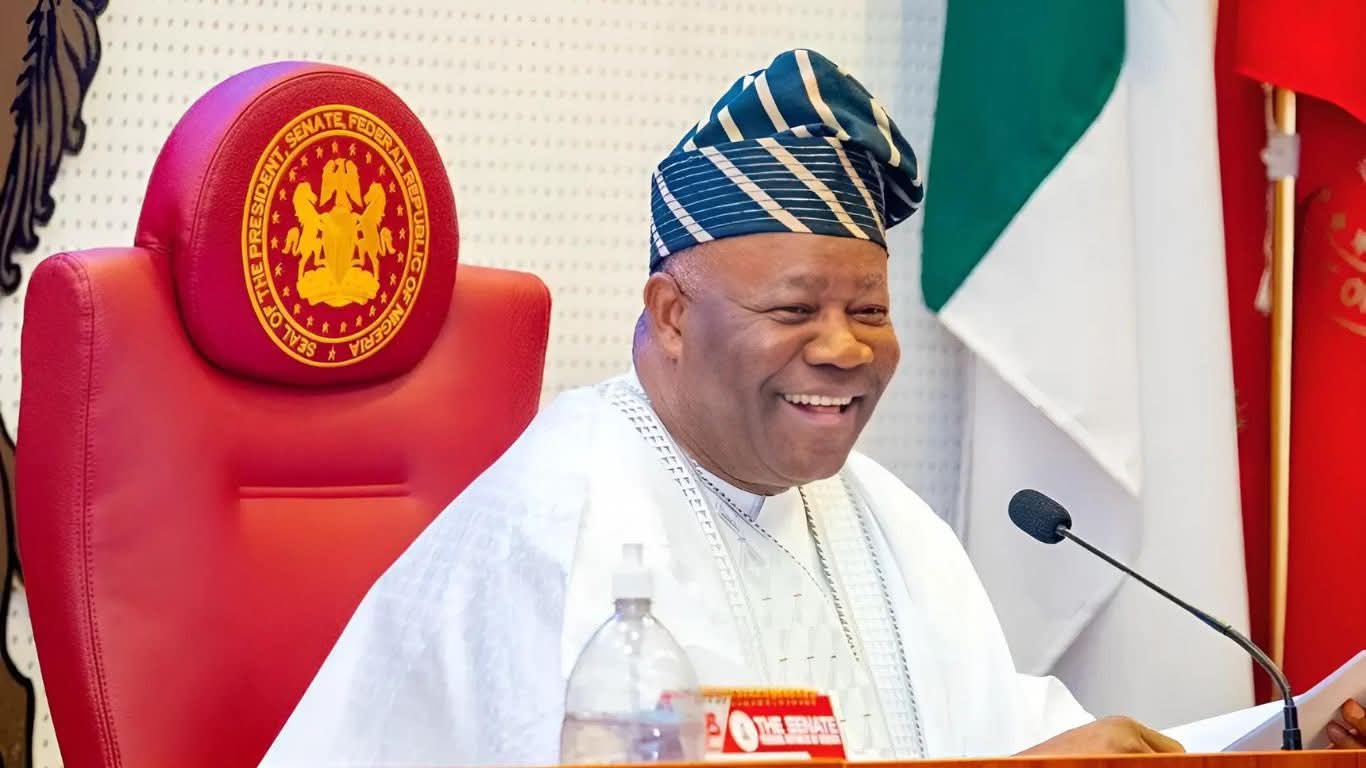

The Nigerian Senate is set to hold an emergency plenary session today as debates intensify over recent amendments to the Electoral Act, particularly the provisions concerning electronic transmission of election results.
The sitting, scheduled for 12 noon at the Senate Chamber, was conveyed in an official notice issued by the Clerk of the Senate, Emmanuel Odo, on the directive of Senate President Godswill Akpabio.
While the notice did not specify the agenda, the development comes in the wake of public protests and widespread reactions following the Senate’s passage of the Electoral Act Amendment Bill 2026 through a third reading last week.
At the centre of the controversy is Clause 60(3) of the bill, which addresses the transmission of election results.
Lawmakers declined to adopt a proposed amendment that would have made real-time electronic transmission compulsory, opting instead to retain the provision in the 2022 Electoral Act.
The existing clause empowers the Independent National Electoral Commission to determine the method of transmitting results.
The rejected proposal sought to mandate presiding officers to upload polling unit results electronically to the INEC Result Viewing portal immediately after the completion and authentication of result forms.
The Senate also turned down an amendment proposing a 10-year ban on vote-buying offenders, choosing to maintain current penalties that include fines and imprisonment.
Public dissatisfaction over the decision spilled into the streets on Monday, as civil society groups, youth organisations and opposition party supporters staged a protest at the entrance of the National Assembly under the banner “Occupy National Assembly.”
Security operatives from multiple agencies were deployed, barricading the complex, while demonstrators maintained a peaceful presence at the gate.
Former Labour Party presidential candidate Peter Obi, now aligned with the ADC, joined the protest and urged lawmakers to make electronic transmission mandatory to prevent a repeat of the technical failures reported during the 2023 general elections.
Responding to the backlash, Senate President Akpabio clarified that the Senate did not reject electronic transmission but only removed the phrase “real time” to avoid legal complications that could arise from network disruptions during elections.
He noted that the intention was to allow INEC flexibility in determining the most practical transmission method.
Former Senate President David Mark also weighed in, suggesting that the National Assembly should leave the decision on electronic transmission entirely to INEC.
Despite criticism, some senators defended the amendment, insisting that the Red Chamber broadly supports electronic transmission.
Senator Victor Umeh stated that the only adjustment agreed upon was the removal of the “real-time” requirement due to network limitations in certain areas, adding that transmission itself was never in dispute.
He further explained that confusion emerged during plenary when a proposal to substitute “transmission” with “transfer” was introduced without debate, an action he said could have been clarified if the matter had been openly discussed.