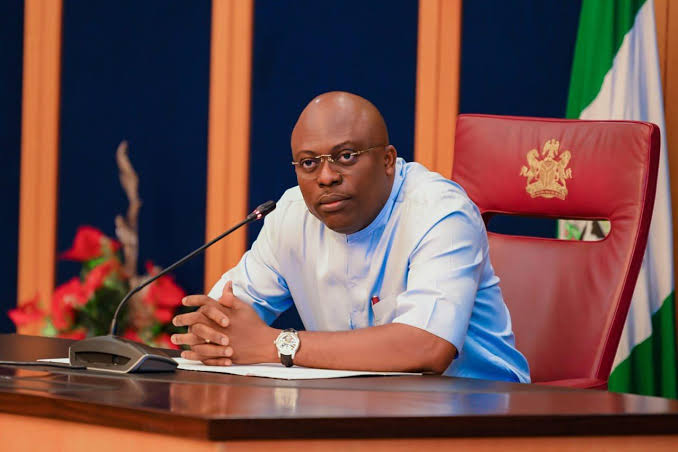

Rivers State Governor, Siminalayi Fubara, has dissolved the State Executive Council, directing all commissioners and special advisers to hand over to permanent secretaries or the most senior officials in their ministries with immediate effect.
The decision was conveyed in a statement issued on Thursday by the Chief Press Secretary to the governor, Onwuka Nzeshi.
Fubara expressed appreciation to the outgoing council members for their service and wished them success in their future pursuits.
The move comes barely 48 hours after the Minister of the Federal Capital Territory, Nyesom Wike, confirmed renewed reconciliation efforts aimed at resolving the prolonged political crisis in the state.
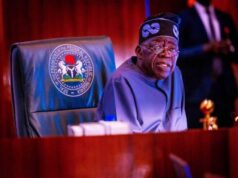
Wike had disclosed that President Bola Tinubu recently met with key political stakeholders from Rivers, including Governor Fubara and his predecessor, in a bid to ease tensions stemming from the power struggle in the state.
The closed-door meeting at the Presidential Villa also involved other prominent leaders from Rivers.
The intervention followed an ongoing impeachment process initiated against the governor by lawmakers believed to be loyal to Wike — the third notice served so far — which has now become the subject of litigation.
Speaking after inspecting projects in Abuja earlier in the week, Wike said the peace meeting was convened at the instance of the President, expressing optimism that it would bring a lasting resolution to the crisis.
He urged both the state assembly and the governor to cooperate with the reconciliation process.
Observers had also noted that Fubara accompanied Wike to his Abuja residence after the Villa meeting, a development interpreted by some as a possible sign of easing tensions.
It remains uncertain, however, whether the pro-Wike lawmakers will withdraw the impeachment notice or if the ongoing talks will lead to a durable political settlement in the oil-rich state.