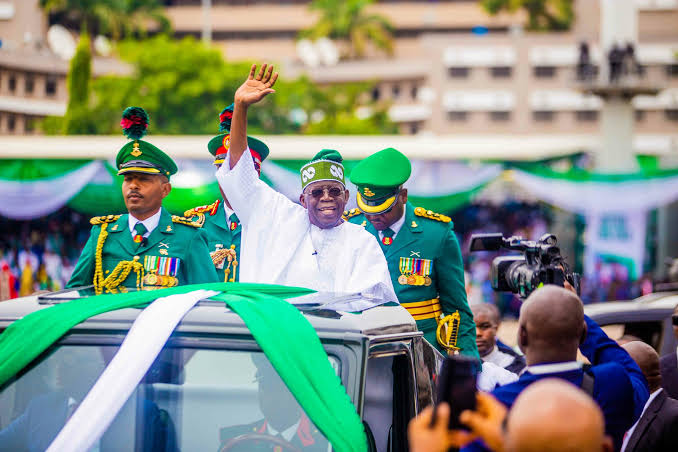

President Tinubu,
Nigeria has officially declared its intention to contest for a seat on the United Nations Human Rights Council (UNHRC) for the 2027–2029 term, reaffirming its commitment to global human rights advocacy.
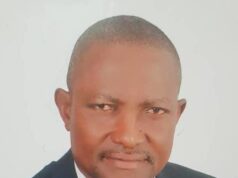
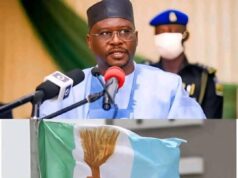
The Minister of Foreign Affairs, Yusuf Maitama Tuggar, announced the country’s candidature in a video shared on his verified X handle, describing the council as a critical platform for dialogue, cooperation and conflict prevention in the promotion of human rights worldwide.
Tuggar stated that Nigeria stands ready to engage constructively with the council’s mechanisms, noting that they play a vital role in strengthening accountability and advancing international human rights standards.
Highlighting domestic efforts, the minister said the Federal Government has intensified measures to protect vulnerable populations, particularly children affected by insecurity.
He referenced ongoing investments in safe schools and secure learning environments to safeguard the right to education.
According to him, Nigeria’s internal reforms are also focused on integrating international human rights and humanitarian standards into security operations, with an emphasis on civilian protection.
He reiterated the country’s commitment to religious freedom, stressing that peaceful coexistence among diverse faith communities remains central to national unity.
Tuggar further linked human rights to broader development goals, pointing to economic reforms, social investment programmes and growth in the digital economy as strategies to promote stability and inclusion.
He added that Nigeria recognises the intersection between environmental protection and human rights, pledging continued action on climate adaptation anchored on sustainable development.
He assured the international community that Nigeria understands the responsibilities that come with council membership and is prepared to work with partners across Africa and beyond to promote peace, justice and sustainable development.
Nigeria previously served on the UN Human Rights Council for the 2018–2020 term. Membership elections are conducted annually, with successful countries serving three-year terms on a rotational basis.