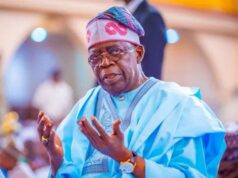

The Special Adviser to President Bola Tinubu on Policy Communication, Daniel Bwala, has admitted that the Federal Government’s economic reforms increased the number of Nigerians living in poverty, insisting, however, that the country has recorded significant progress since the policies were introduced.
Bwala made the admission on Wednesday while appearing on Channels Television’s Politics Today, where he defended the economic policies implemented by the Tinubu administration since assuming office in May 2023.
The reforms, which include the removal of petrol subsidy and the unification of the foreign exchange market, have been accompanied by rising living costs, placing considerable financial pressure on households and businesses.
The government has repeatedly defended the measures as necessary to correct longstanding economic imbalances, improve public finances and establish a more sustainable economic foundation.
Acknowledging the hardship associated with the policies, Bwala argued that the increase in poverty was a consequence of the reforms, adding that such difficulties were not unusual when countries undertake major economic adjustments.
“Please let it be clear even to the opposition, the reason why you have this number of poor people and some of these doomsday analytics that people are giving is because we undertook a reform,” he said.
He added that economic reforms often come with temporary discomfort, maintaining that the administration had made considerable progress despite the challenges confronting many Nigerians.
“There is no part of the world where you start a reform like that there will not be discomfort. More people went down to poverty, acknowledged, but since when the reform started to today, we have made marked progress,” Bwala stated.
He insisted that the existence of widespread poverty should not overshadow what he described as the gains recorded since the government embarked on its reform agenda.
“So, you cannot discount that even though there are quite a number of our population that are poor which we admit, but we have made progress so far,” he added.
President Tinubu has also defended his administration’s economic policies, citing improvements in key economic indicators, including inflation, foreign reserves and foreign exchange market stability, in his October 1 Independence Day address.
Beyond defending the administration’s economic record, Bwala expressed confidence that Tinubu would secure a stronger electoral mandate in the 2027 presidential election.
The presidential adviser predicted that the President would defeat his opponents by a wider margin than he achieved in the 2023 election.
“Let me tell you and let me say it categorically and I will be happy to come back. The margin of gap that President Bola Tinubu will give each and everyone of these candidates will be so much that you won’t believe it,” he said.
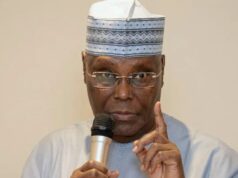
In the 2023 presidential election, Tinubu defeated Atiku Abubakar and Peter Obi to emerge as Nigeria’s president.
Bwala attributed his optimism about the next election partly to the growing number of governors who have defected from opposition parties to the ruling All Progressives Congress (APC) since the last general election.
He expressed confidence that more governors would support Tinubu in 2027 than backed him during the 2023 presidential contest.