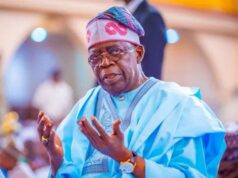

Three years after President Bola Tinubu announced the removal of Nigeria’s decades-old fuel subsidy, a federal lawmaker has described the decision as the most patriotic act by any Nigerian president since independence, while criticising the failure of social intervention programmes to adequately cushion the effects on poor and vulnerable citizens.
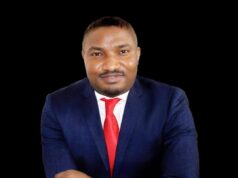
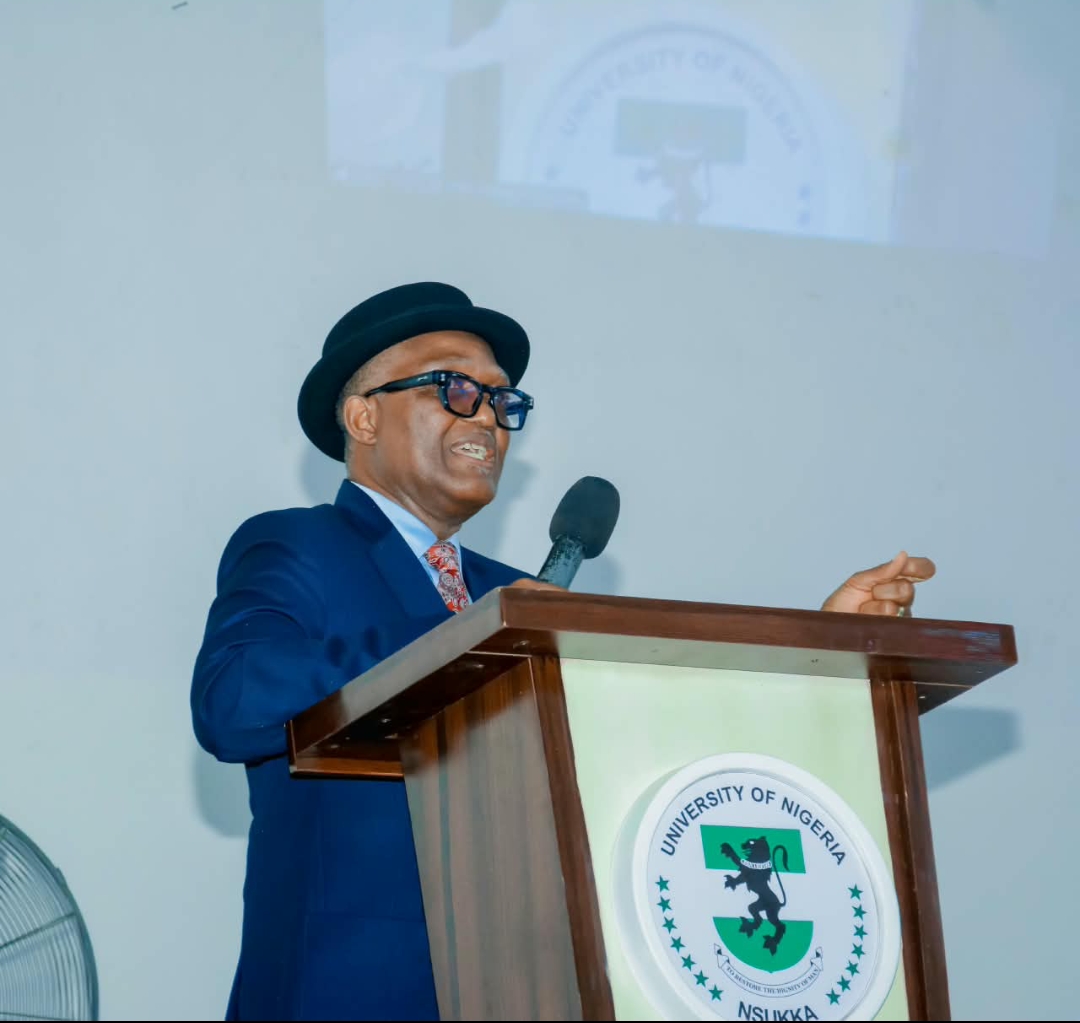
Rt. Hon. Dennis Nnamdi Agbo, who represents Igbo-Eze North/Udenu Federal Constituency of Enugu State in the House of Representatives, made the remarks while delivering a public lecture at the University of Nigeria, Nsukka, on October 14, 2026.
The lecture, titled “Three Years of Post-Subsidy Removal: Evaluating the Socio-Economic Effects of Nigeria’s Deregulated Downstream Sector,” examined the economic gains associated with the policy, the hardships experienced by Nigerians and the shortcomings of government-backed palliative programmes.
Recounting the circumstances surrounding the announcement, Agbo said Tinubu’s declaration on May 29, 2023, during his inaugural address, was a surprise even to members of the President’s immediate circle.
“The clause of declaration was not part of the speech,” the lawmaker said. “Not even a confidential secretary or staff had any idea.”
According to him, the unexpected announcement disrupted the activities of powerful interests that had benefited from the subsidy regime, weakened fuel smuggling and exposed the questionable consumption figures previously associated with petroleum imports.
Agbo argued that reported daily petrol consumption, which had reached 60 million litres, subsequently dropped to about 40 million litres, creating room for reforms in the downstream petroleum sector and encouraging private-sector investment in refining.
He also highlighted the emergence of the Dangote Refinery, describing it as a major development in Nigeria’s quest for domestic refining capacity and a stronger position in the international petroleum market.
The refinery, he said, has begun supplying Nigeria’s domestic market while exporting petroleum products abroad, including aviation fuel to international destinations.
“The stranglehold on the nation was removed. Nigeria could breathe again,” Agbo declared.
Reforms boost government revenue
The lawmaker maintained that subsidy removal, alongside the unification of the foreign exchange market, had significantly improved government revenue and strengthened the capacity of the three tiers of government to finance public expenditure.
Agbo said the removal of fuel subsidy was saving the government approximately ₦700 billion monthly, while foreign exchange reforms generated an additional ₦600 billion.
Together, he said, the measures had increased monthly distributable revenue to at least ₦1.3 trillion.
Citing World Bank figures presented during the lecture, Agbo said Nigeria’s real gross domestic product growth increased from 3.5 per cent in 2024 to 3.9 per cent in 2025, reaching 4.2 per cent in the first half of 2026.
He further stated that federation revenue grew by 69 per cent in real terms between 2023 and 2025.
The lawmaker also pointed to the Federal Government’s capital expenditure, which he said had remained at about 70 per cent of the budget for three consecutive years, compared with the 25 to 30 per cent range recorded previously.
According to him, the improved fiscal position had supported major infrastructure projects, including the Lagos-Calabar Coastal Highway, other strategic highways across the country and the national gas grid.
At the state level, Agbo said increased allocations had enabled several governments to settle salary and pension arrears while embarking on ambitious capital projects.
He singled out Enugu State for its budgetary expansion, noting that its budget rose from ₦167 billion in 2023 to ₦1.617 trillion in 2026.
He also cited a significant increase in the state’s internally generated revenue and capital expenditure consistently accounting for more than 80 per cent of its budget.
Households still struggling despite economic gains
Despite his strong defence of the reform, Agbo acknowledged that subsidy removal had imposed considerable hardship on Nigerians, particularly low-income earners, small businesses and households whose earnings had not kept pace with rising living costs.
He noted that petrol prices more than doubled in the first month following the announcement, triggering increases in transportation fares, food prices and the cost of operating petrol-powered generators.
According to him, the pressure on household budgets remains severe, notwithstanding improvements in some macroeconomic indicators.
“A lower inflation rate does not mean prices have returned to their old levels,” he cautioned. “Households whose incomes have not caught up remain under serious pressure.”
He argued that the success of economic reforms should not be measured solely by government revenue, GDP growth or improved fiscal statistics, but also by the extent to which ordinary Nigerians experience tangible improvements in their living conditions.
The lawmaker expressed particular concern over the implementation of the Nigeria Community Action for Resilience and Economic Stimulus programme, popularly known as NG-CARES, which is supported by the World Bank.
He said substantial funds had been made available to states for cash transfers, public works, agricultural support and grants to micro, small and medium-sized enterprises.
However, he lamented that many vulnerable Nigerians continued to complain about being excluded from government assistance.
“there is still a loud cry of government neglect.”
Agbo attributed the poor delivery of relief to the intended beneficiaries partly to what he described as a misconception of the programme’s funding structure and insufficient enthusiasm among state governments.
He said the disconnect between the resources released for social intervention and the actual relief reaching low-income households had undermined the effectiveness of the programme.
The House Committee on NG-CARES, he disclosed, had commenced a comprehensive investigation into the programme as part of its constitutional oversight responsibilities.
To address the shortcomings, Agbo announced that the committee was preparing legislation to establish a permanent NG-CARES Commission.
Under the proposed arrangement, funding would be sourced directly from a portion of the savings generated by economic reforms, capped at 10 per cent and charged to the Federation’s Consolidated Revenue Fund, rather than imposing the financial burden on state governments.
The proposed commission, he explained, would provide a more permanent institutional framework for delivering social protection and ensuring that economic reforms translate into measurable benefits for vulnerable citizens.
Minimum wage, student loans and alternative energy among relief measures
Agbo also highlighted other Federal Government initiatives intended to reduce the economic pressure on Nigerians.
These include the increase in the national minimum wage to ₦70,000, the Nigerian Education Loan Fund (NELFUND), the Consumer Credit Corporation (CREDICORP), accelerated adoption of compressed natural gas (CNG), solar energy expansion and the HOPE programmes supported by the World Bank in health, education and governance.
He cited the impact of CNG adoption on transportation costs in Enugu State, noting that bus fares on the Nsukka route had reportedly fallen from ₦3,500 to ₦1,500.
According to him, these interventions demonstrate that economic reform must be accompanied by practical measures capable of improving access to education, affordable transportation, energy and essential services.
Nevertheless, he maintained that such initiatives would achieve limited results unless implementation was strengthened and assistance reached the people for whom it was intended.
Calls for permanent social protection system
Drawing lessons from India’s Direct Benefit Transfer system and employment guarantee programme, China’s poverty reduction initiatives and Brazil’s Bolsa Família social assistance scheme, Agbo argued that Nigeria needed to move beyond occasional financial distributions to a more sustainable framework for protecting vulnerable citizens.
He stressed that temporary handouts could not provide a lasting solution to the social consequences of major economic adjustments.
“Permanent reform requires permanent institutions of social protection,” he said.
“A country cannot build an enduring social contract on occasional distributions alone.”
The lawmaker maintained that an effective social protection system would help bridge the gap between the economic benefits of reform and the immediate needs of citizens bearing its costs.
He also called for stronger accountability, improved coordination between the Federal Government and states, and more effective monitoring of intervention funds to ensure that resources achieve their intended purpose.
Agbo concluded by reaffirming his support for the removal of fuel subsidy, describing the past three years as a period marked by sacrifice, resistance from entrenched interests and progress in the restructuring of Nigeria’s economy.
He insisted that reversing the policy would amount to a return to the old system, which he argued had placed an unsustainable burden on public finances and enabled widespread abuse.
The lecture, delivered at the University of Nigeria, Nsukka, one of the country’s foremost academic institutions, is expected to contribute to the ongoing national debate over the long-term implications of subsidy removal and the effectiveness of government interventions.
With the House Committee on NG-CARES investigating the delivery of social assistance and preparations under way for proposed legislation to establish a permanent commission, attention is likely to focus increasingly on how Nigeria can preserve the fiscal gains of economic reform while ensuring that vulnerable households are not left behind.
For Agbo, the central challenge is no longer simply whether subsidy removal was necessary, but whether the gains from the reform can be translated into lasting economic relief, social protection and improved living standards for Nigerians.