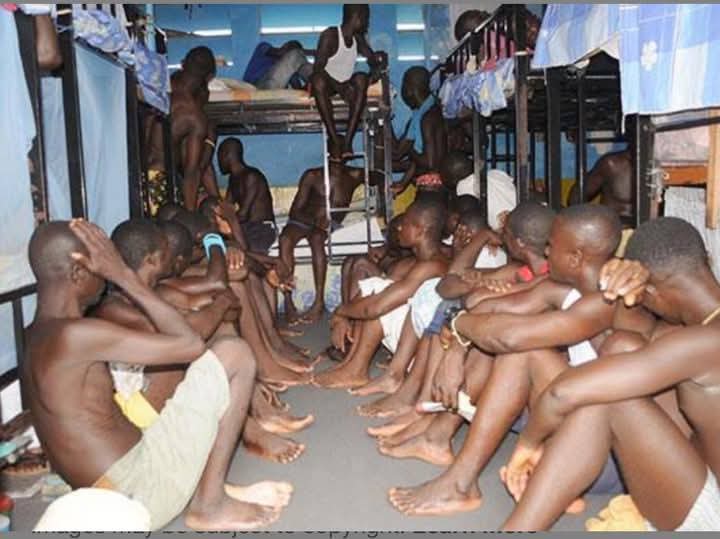

The Independent National Electoral Commission (INEC) has announced plans to allow eligible inmates in Nigeria’s correctional facilities to participate in future elections, in line with a court ruling affirming their right to vote.
INEC Chairman, Professor Mahmood Yakubu, made the disclosure on Friday during a courtesy visit by the Comptroller General of the Nigeria Correctional Service (NCoS), Sylvester Nwakuche, at the Commission’s headquarters in Abuja.
Yakubu referenced a 2019 judgement by the Court of Appeal in Benin, which upheld the constitutional rights of inmates to register and vote.
The case had been brought forward by five inmates on behalf of thousands of others, challenging their exclusion from the electoral process.
“The right of inmates to vote has been affirmed by a competent court of law. As a responsible institution, INEC is committed to ensuring that this decision is respected, provided it is done in accordance with the law,” Yakubu said.
He added that the Commission has been engaging with the Nigeria Correctional Service to develop practical frameworks that would allow for inmate participation in elections.
These include access to registration facilities, determining eligible categories of inmates, and addressing the concerns of political parties.
The INEC chairman also emphasized the need for legislative backing from the National Assembly to solidify the legal and operational groundwork for inmate voting.
Responding, Comptroller General Nwakuche urged the Commission to uphold the rights of inmates, especially those awaiting trial, to participate in the country’s democratic process.
According to him, there are currently over 81,000 inmates across Nigeria, with roughly 66% of them yet to be convicted.
“Most of our inmates are awaiting trial and should not be denied their civic rights, especially the right to vote. The recent court ruling has provided a strong basis for this,” Nwakuche said.
While the 2019 ruling stopped short of directing INEC to set up registration centres within correctional facilities, it opened the door for collaboration between the electoral body and prison authorities to explore lawful means for inmate enfranchisement.