
The Nigeria Centre for Disease Control and Prevention (NCDC) has reported that the Lassa fever outbreak has affected 21 states and 106 local government areas, with 906 confirmed cases and 168 deaths recorded so far in 2025.
According to the agency’s latest situation report for epidemiological week 38, a total of 4,543 suspected cases have been documented nationwide.
Of these, 897 tested positive for the disease, representing a case fatality rate of 18.7 per cent.
Ondo, Edo, Taraba, and Bauchi remain the hardest-hit states, jointly accounting for 67 per cent of all confirmed cases.
Ondo tops the list, followed by Edo and Bauchi, while other affected states include Ebonyi, Benue, Kogi, Gombe, Plateau, Kaduna, Nasarawa, Enugu, Delta, Anambra, Rivers, Borno, Oyo, Ogun, the Federal Capital Territory and Lagos.
The NCDC noted that most confirmed infections were among people aged between 21 and 40 years, describing this demographic as the most socially and economically active group, which makes them more susceptible to exposure.
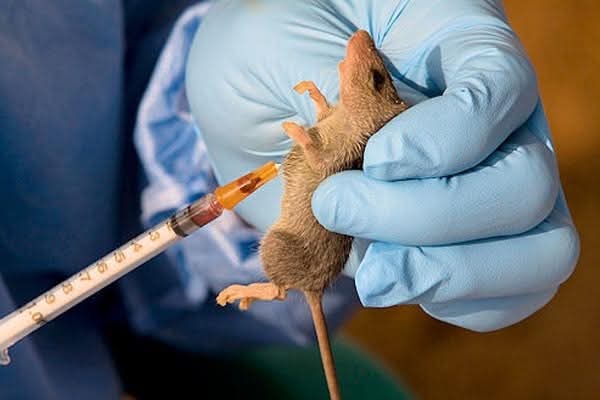
Lassa fever, an acute viral haemorrhagic illness, is transmitted to humans primarily through contact with food or household items contaminated by the urine or faeces of infected rodents.
The disease can also spread through human-to-human transmission, particularly in healthcare facilities that lack adequate infection prevention and control measures.
While Lassa fever cases typically peak during the dry season, from December to April, the NCDC observed that infections have persisted year-round.
The agency warned that without intensified awareness and preventive efforts, the virus will continue to pose a significant public health threat.
Despite ongoing interventions, Nigeria’s case fatality rate remains nearly double the national target of below 10 per cent.
Some states, notably Taraba and Bauchi, reported even higher death rates than the national average.
The NCDC reiterated that early detection and prompt treatment significantly improve survival chances, as the antiviral drug ribavirin is most effective when administered early in the course of the illness.
To curb the spread, the agency said it is strengthening surveillance, expanding diagnostic laboratories, and supporting treatment centres in high-burden states.
It has also intensified community sensitisation campaigns focused on hygiene, food storage, and rodent control.
The NCDC called for stronger cooperation among state governments, local communities, and healthcare workers.
Citizens were urged to keep their surroundings clean, cover household waste, store food properly, and avoid self-medication.
The agency concluded by stressing that vigilance remains crucial as Nigeria continues to battle Lassa fever’s recurring threat across multiple regions.