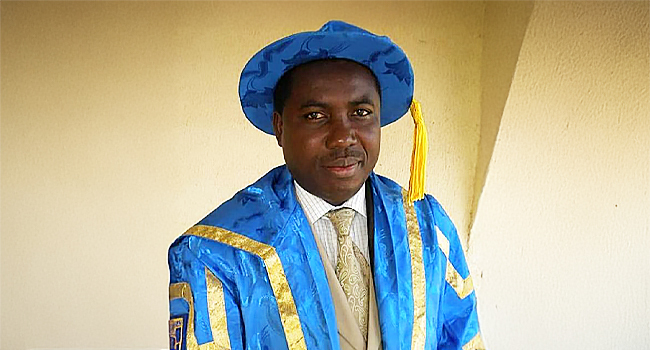

The Chairman of the Independent National Electoral Commission (INEC), Prof. Joash Amupitan, SAN, has pledged to prioritise the reduction of pre-election litigations as Nigeria prepares for the 2027 general elections.
Amupitan, who recently assumed office as INEC’s sixth substantive chairman following his swearing-in by President Bola Tinubu, said cutting down the volume of electoral disputes would be one of his administration’s major goals.
Speaking on Monday at the 56th Annual National Conference of the Nigerian Association of Law Teachers (NALT), held at the University of Abuja, Amupitan disclosed that over 1,000 pre-election cases were filed before the 2023 elections, a situation he described as unhealthy for the political and judicial systems.
He emphasised that stronger internal party democracy, adherence to electoral laws, and early dispute resolution mechanisms were key to preventing such litigations.
“If political parties follow their constitutions, comply with the Electoral Act, and uphold the Nigerian Constitution, pre-election litigations will drastically reduce,” Amupitan stated.
“My desire is that if we get the law right, even losers will congratulate winners. The law should be used as a tool for change, not conflict.”
The INEC boss urged the National Assembly to strengthen the country’s electoral legal framework to promote fairness and transparency in future polls.
He noted that while fewer pre-election cases might not please some legal practitioners, the reform would enhance the credibility of elections and reinforce public trust in the democratic process.
Amupitan described his tenure’s legal reform agenda as a step toward ensuring that elections reflect “the genuine will of the people.”
The conference, themed “Law, National Development and Economic Sustainability in a Globalised World,” brought together law teachers, jurists, policymakers, and students from across the country.
Amupitan, who attended the event with his wife, Prof. Yemisi Amupitan, commended the association for its role in promoting legal scholarship and mentoring young academics.
“This is a gathering of brilliant minds. I urge young law lecturers to uphold integrity and professionalism because the future of justice, democracy, and the rule of law depends on them,” he said.
Also speaking, Prof. John Akintayo, President of NALT and Dean, Faculty of Law, University of Ibadan, stressed that effective legal frameworks were essential for inclusive growth and national stability.
He noted that in a globalised world, aligning domestic laws with international best practices while protecting national interests was vital for sustainable development.
“The law must not merely react to change but anticipate and shape it, ensuring development anchored on justice, equity, and the rule of law,” Akintayo said.
Conference Chairman and Dean, Faculty of Law, University of Abuja, Prof. Uwakwe Abugu, revealed that plenary sessions at the event would explore topics such as agriculture and food security, artificial intelligence, biotechnology, and legal reforms.