The Nigerian Bar Association (NBA) has called for the suspension of the recently passed Tax Reform Acts, citing alleged alterations in the gazetted version compared to what was approved by the National Assembly.
The controversy emerged after Sokoto House of Representatives member Abdulsamad Dasuki flagged discrepancies between the gazetted tax laws and the versions passed by lawmakers.
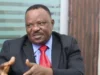
In response, the NBA, through its president Afam Osigwe, said the matter raises “grave concerns about the integrity, transparency, and credibility of Nigeria’s legislative process.”
The NBA urged that “a comprehensive, open, and transparent investigation be conducted to clarify the circumstances surrounding the enactment of the laws” and called for an immediate suspension of all plans to implement the Tax Reform Acts until the issues are resolved.
Osigwe warned that the alleged discrepancies “strike at the very heart of constitutional governance and call into question the procedural sanctity that must attend lawmaking in a democratic society.”
He added that such legal uncertainty could have severe economic consequences, noting that it “unsettles the business environment, erodes investor confidence, and creates unpredictability for individuals, businesses, and institutions required to comply with the law.”
President Bola Tinubu had signed the four tax reform bills into law in June 2025, concluding months of debate and scrutiny.
The laws include the Nigeria Tax Bill, the Nigeria Tax Administration Bill, the Nigeria Revenue Service (Establishment) Bill, and the Joint Revenue Board (Establishment) Bill.
The Federal Government had slated January 2026 for implementation, arguing that the reforms would simplify tax compliance, reduce burdensome taxes, enhance domestic productivity, and transform Nigeria’s fiscal landscape.
Opposition figures and groups, including Labour Party presidential candidate Peter Obi and the African Democratic Party, have joined the NBA in calling for a halt to the implementation, while Taiwo Oyedele, Chairman of the Presidential Fiscal Policy and Tax Reforms Committee, defended the reforms, insisting that no new laws were being introduced.