
A former Republican Mayor of Blanco, Texas, Mike Arnold, has described the recent United States airstrikes in Sokoto State as a strategic signal aimed at countering the growing influence of global jihadist movements in West Africa.
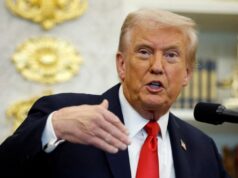
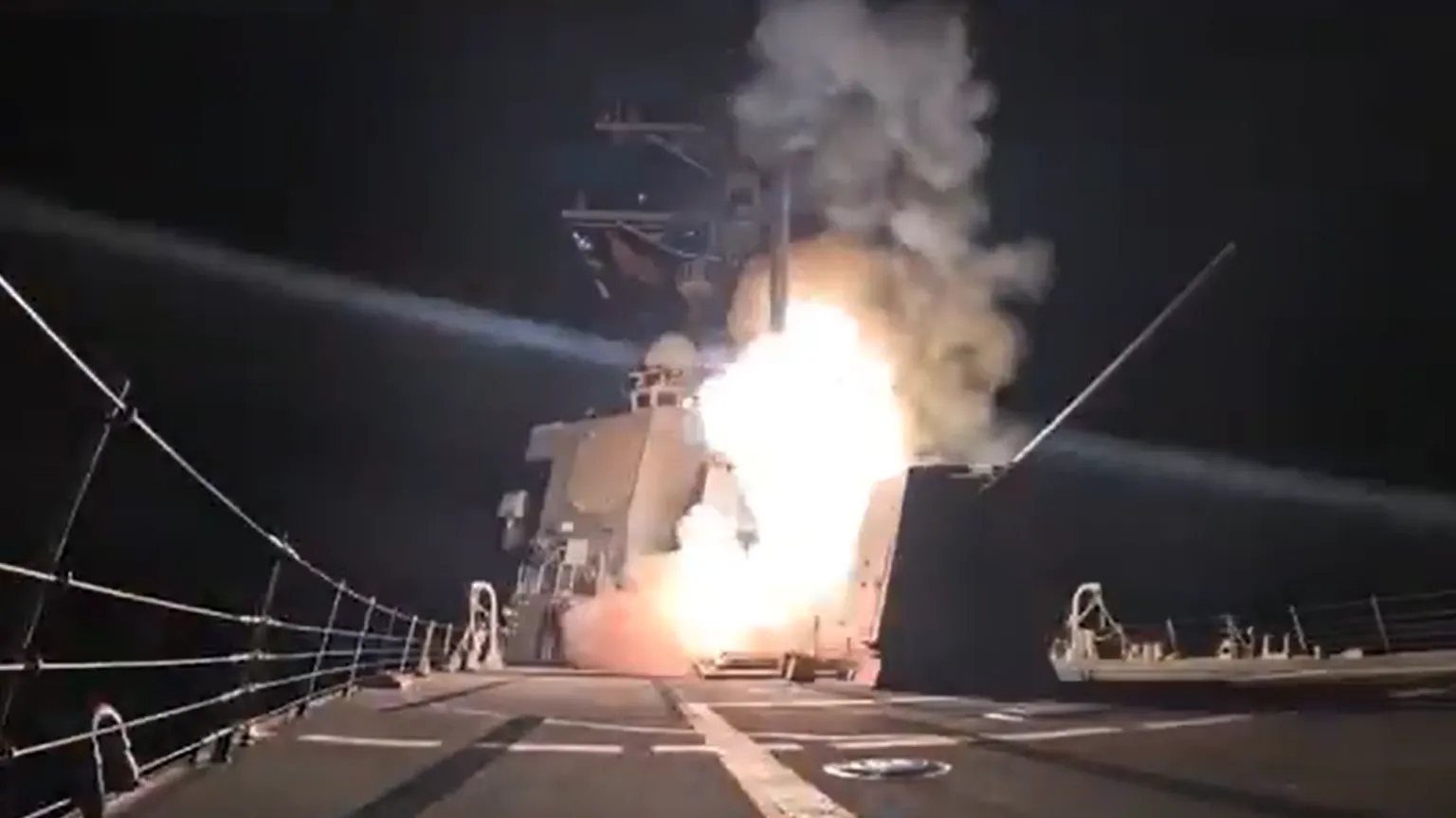
Arnold was reacting to the U.S–Nigeria joint strikes carried out on Christmas Day against ISIS targets in Sokoto, an operation that was publicly acknowledged by President Donald Trump, who described it as a “Christmas Day gift” to terrorists.
The strikes, authorised by the Nigerian government, sparked widespread debate across northern Nigeria, particularly over why Sokoto in the Northwest was chosen as the initial target rather than the Northeast, which has long been regarded as the epicentre of jihadist violence.
In a blog post, Arnold argued that the choice of Sokoto was deliberate and symbolic.
According to him, the operation represented a geopolitical “opening shot” against what Washington now views as the expanding footprint of global jihad in West Africa.
He referenced earlier testimony by U.S. Africa Command (AFRICOM) Commander, General Michael Langley, who told the U.S Congress that northern Nigeria has emerged as the new epicentre of global terrorism.
“That’s not speculation; that is now official U.S. military doctrine,” Arnold said, suggesting that the strikes may mark the beginning of a broader security strategy in the region.
Arnold further claimed that concerns within U.S policy circles go beyond militant groups, alleging suspicions that elements within Nigeria’s elite may be complicit in terrorist activities.
“So perhaps Sokoto was the first domino — a symbolic entry point to plant a flag and begin exposing deeper networks,” he said.
The former mayor also dismissed claims that the operation was fully coordinated with Nigerian authorities, describing such assertions as diplomatic positioning rather than operational truth.
“Nigeria has every reason to save face, and the United States has every reason to preserve its strategic options,” Arnold said.
He added that the scale of the military action suggested that more developments could follow, noting that such moves are rarely made without a broader objective.
“You don’t mobilise this level of force for a symbolic pinprick. Global narratives don’t align this neatly unless something more profound is unfolding,” he added.
Meanwhile, reactions within Nigeria have been mixed.
While some critics raised concerns about national sovereignty, many Nigerians welcomed the strikes, arguing that sovereignty loses its meaning when terrorists are allowed to operate with impunity.
Supporters of the action maintained that international cooperation remains necessary in confronting transnational terror networks threatening regional and global security.