
By Nnamdi Anigbo Roosevelt
Governance, in its purest philosophical meaning, is not the distant voice of authority speaking from marble halls; it is the quiet humility of leadership that walks down to the marketplace to listen.
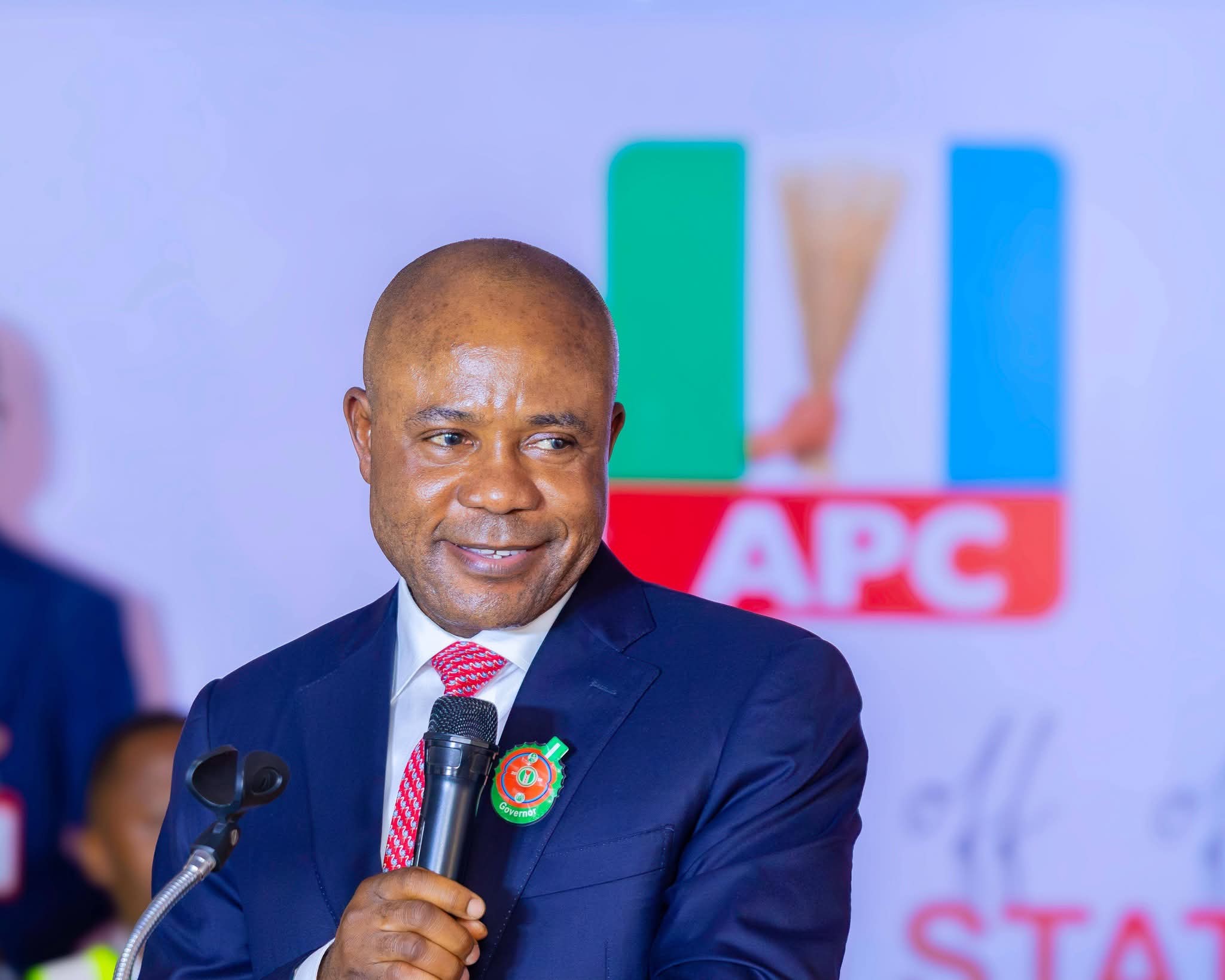
In this regard, the ongoing Town Hall meetings between the Local Government Areas and the Governor, led by Peter Ndubuisi Mbah, stand as a living testament that democracy is most beautiful when power bends its ear to the people.
These Town Hall engagements are not ceremonial gatherings; they are the pulse check of a responsive government.
They represent leadership in motion, governance stepping down from the pedestal to sit among the people whose hopes and struggles define the very purpose of the state.
During Ezeagu’ turn, for instance, the voices of the people rose with clarity and sincerity. The community of Awha courageously reported that the coal mining activities in Ogodoma have contaminated drinking water streams that once sustained generations.
The dynamite explosions from mining operations have caused tremors that crack buildings and shake the foundations of homes. Worse still, the mining company has allegedly failed to comply with the Environmental Impact Assessment agreements meant to safeguard the people and their environment.
Yet, what transformed this lamentation into hope was the immediate response of Governor Peter Mbah. With the alertness of a leader who understands that development must never come at the expense of human dignity, he vowed to intervene with urgency.
In that singular moment, governance revealed its noblest form: a government that listens, a government that acts.
Philosophically, this model of leadership echoes the ancient idea that the legitimacy of power flows from the welfare of the people.
A ruler who listens becomes a guardian of justice; a ruler who responds becomes a builder of destiny. Governor Mbah’s Town Hall meetings therefore represent a profound democratic ritual , a living bridge between authority and accountability.
These engagements also serve as an ingenious instrument of governance. By listening directly to the people, the Governor conducts a real time audit of his administration. The citizens become the mirrors through which government sees itself clearly.
Their testimonies reveal what policies succeed, where interventions are needed, and which areas demand urgent attention.
Furthermore, the Town Hall meetings subtly but effectively measure the performance of Local Government Chairmen.
When citizens speak freely about their communities, the Governor can gauge whether those entrusted with grassroots leadership are truly impacting lives. In this sense, the Town Hall becomes both a listening chamber and a performance barometer , a democratic compass guiding the administration.
Another profound benefit lies in restoring the people’s faith in government. For too long in many parts of our polity, citizens have felt that government existed far above them.
But when a Governor sits face to face with market women, farmers, artisans, teachers, and youth, democracy suddenly becomes tangible. Government is no longer an abstraction; it becomes a partner in the people’s daily struggle for a better life.
Indeed, Governor Mbah’s approach reflects a deeper philosophy of leadership , that progress must be participatory. Development designed without the people often fails the people. But development shaped by their voices carries legitimacy, sustainability, and collective ownership.
In poetic truth, one may say:
When power listens, justice breathes.
When leadership hears the cry of the soil,
the land begins to heal.
For the ear of a good governor
is the first tool of development.
Thus, the ongoing Town Hall meetings are more than administrative engagements; they are a renaissance of participatory governance in Enugu State.
They symbolize a Governor who does not merely govern from the Government House but governs from the heartbeat of the people.
In Governor Peter Mbah, Enugu is witnessing a leader who understands that the highest office in governance is not the throne of authority but the humble seat beside the people.
And in that sacred space between power and the populace, a new model of leadership is unfolding , bold, responsive, philosophical, and profoundly human.
It is governance with ears to hear, a heart to feel, and the courage to act.
A true portrait of people-oriented leadership.