
The Independent National Electoral Commission (INEC) says it has completed nine of the 14 activities outlined in its timetable for the 2027 general elections, as preparations for the nationwide polls continue.
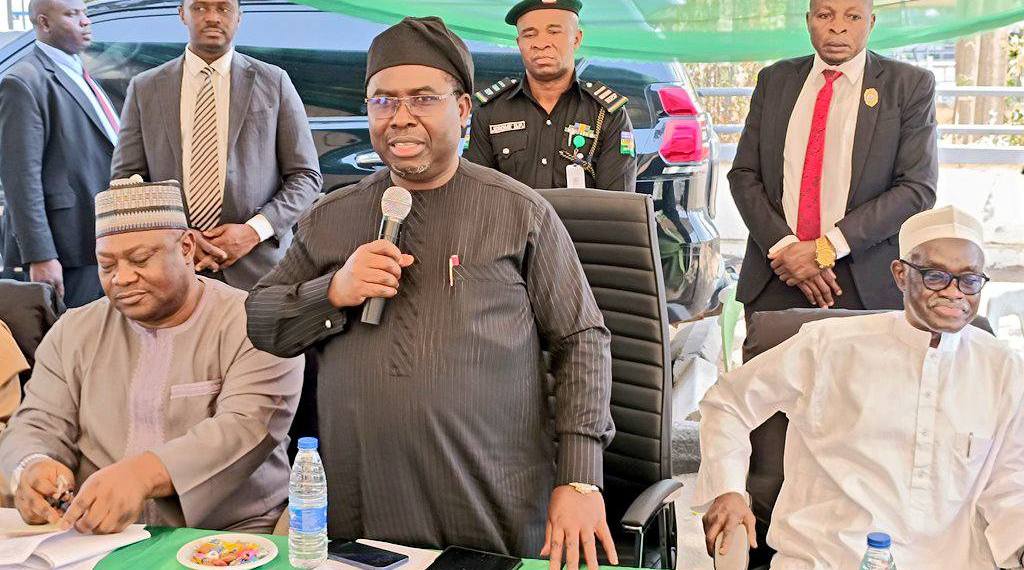
The INEC Chairman, Prof. Joash Amupitan, disclosed this through the National Commissioner in charge of Information and Voter Education, Dr Mohammed Haruna, during a youth engagement programme in Abuja on Wednesday.
The programme, tagged “The Electorate: A Youth Dialogue with INEC,” was organised by Yiaga Africa, the Global Shapers Community Abuja and Enough is Enough Nigeria under the theme, “Let’s Talk About the 2027 Elections.”
Haruna said the commission had made considerable progress in implementing its electoral schedule, which covers key activities, including the announcement of election dates, political party primaries, publication of the voters’ register and release of candidates’ lists.
He described the voters’ register as a vital component of the electoral process, noting that it would serve as the basis for accrediting eligible voters on election day.
The national commissioner also identified the publication of candidates nominated by political parties for elective positions as one of the activities already completed.
However, he acknowledged that the initial publication of the candidates’ list had attracted complaints from some political parties over alleged omissions and discrepancies.
According to him, INEC had invited the affected parties to submit petitions and was working to address the concerns before finalising the list.
Haruna added that the commission had increased the frequency of its meetings to review preparations, evaluate progress and take decisions necessary for the successful conduct of the elections.
He also explained INEC’s administrative structure, comprising a chairman and 12 national commissioners responsible for policy decisions, alongside resident electoral commissioners operating across the 36 states and the Federal Capital Territory.
On the appointment of national commissioners, he said the process involved nomination by the President, consideration by the Council of State and confirmation by the Senate.
Meanwhile, the Programme Manager for Governance at Yiaga Africa, Yetunde Bakari, called for stronger measures to guarantee the safe and meaningful participation of young Nigerians in the 2027 elections.
Bakari said young people were central to the country’s democratic process, serving not only as voters but also as candidates, community mobilisers and stakeholders in shaping Nigeria’s political future.
Citing findings from Yiaga Africa’s voting intention survey, she disclosed that 84 per cent of respondents indicated that they were likely or very likely to vote in the 2027 elections.
She, however, raised concerns that 61 per cent of those surveyed feared electoral violence could prevent them from exercising their voting rights.
Bakari further revealed that only 40 per cent of young respondents said they were very likely to participate in the elections, describing the figure as a warning sign that electoral stakeholders needed to address.
She stressed that voter mobilisation alone would not guarantee meaningful participation unless the electoral environment was safe, accessible and credible.
The Yiaga Africa official welcomed INEC’s early preparations, including online voter registration, printable Permanent Voter Cards (PVCs), planned nationwide mock accreditation exercises and efforts to strengthen the governance of electoral technology and artificial intelligence.
She nevertheless maintained that the commission must demonstrate its readiness through transparency, effective communication and credible electoral procedures.
Bakari urged INEC to promptly inform the public whenever technical or operational challenges arise, ensure transparency in the deployment of artificial intelligence and make adequate arrangements for eligible voters in remote and hard-to-reach communities.
She also called on young Nigerians to rely on verified information, shun electoral violence and misinformation, and sustain their engagement with elected officials beyond election day.
The engagement brought electoral officials and civic organisations together to discuss preparations for the 2027 polls, with particular emphasis on youth participation, public confidence and the need to protect the integrity of the electoral process.