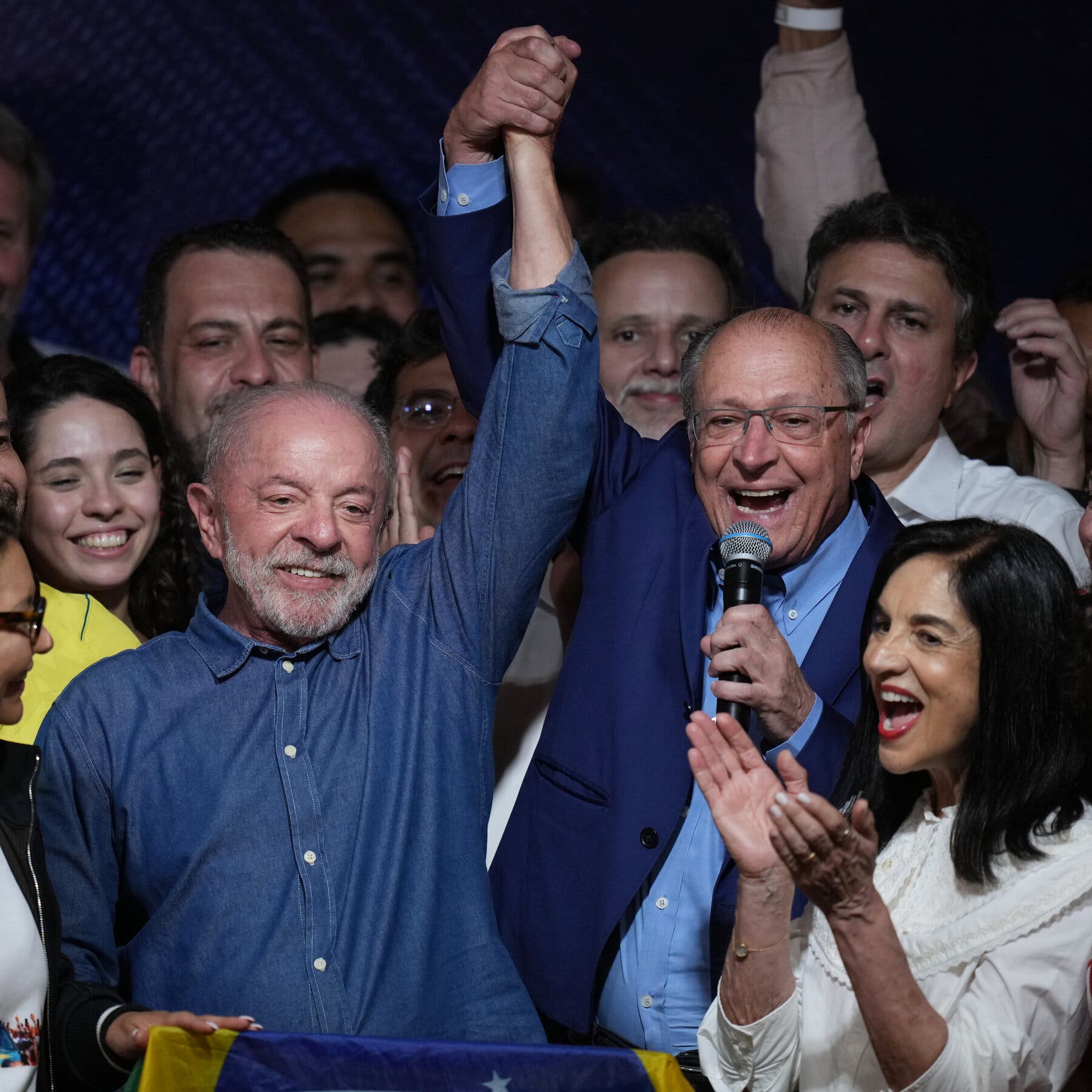

Brazilian President Luiz Inácio Lula da Silva has secured a fourth, non-consecutive presidential term after defeating opposition candidate Flávio Bolsonaro in Sunday’s runoff election, according to official results, while Bolsonaro has rejected the outcome and vowed to seek its annulment.
With more than 96 per cent of the votes counted, Lula secured over 51 per cent of the vote against Bolsonaro’s more than 48 per cent, marking a major political comeback for the veteran left-wing leader.
The victory makes Lula the first Brazilian presidential candidate in the country’s democratic era, restored in 1989, to lose the first round of voting and subsequently win the presidency in a runoff.
Speaking to jubilant supporters in São Paulo after the results were announced, Lula described the outcome as a rejection of political denialism and falsehoods.
“I want to thank the Brazilian people for this generosity they have shown me for so long, to thank the youth who took to the streets to defend democracy, and the elders who went to vote,” he said.
Lula, who turns 81 on Tuesday, has enjoyed a long political career, having previously served as president from 2003 to 2010 before returning to office.
His latest victory extends his influence in Brazilian politics at a time of deep ideological divisions in the country.
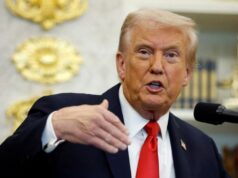
He also used his victory speech to reaffirm Brazil’s independent foreign policy, declaring that the country would not accept being “anyone’s backyard” in an apparent message directed at United States President Donald Trump.
Bolsonaro challenges election outcome
Bolsonaro, 45, described the election result as “inexplicable” and said he would pursue legal action to have the outcome annulled.
Speaking briefly to journalists outside his residence in Brasília, he said he would not abandon his political struggle and urged his supporters to remain committed to their cause.
The election was marked by disputes over voting arrangements. Both campaigns requested an extension of voting hours, with Lula’s team citing reduced bus services in some local government areas and Bolsonaro’s campaign pointing to heavy rainfall in parts of the country.
Supreme Court Justice Cristiano Zanin subsequently extended voting by two hours, until 7 pm, although some polling stations had already deactivated their electronic voting machines and were unable to resume voting.
Bolsonaro had campaigned on strengthening Brazil’s relationship with Trump and promised to pardon his father, former President Jair Bolsonaro, who is serving a 27-year sentence under house arrest over a conviction relating to a plot to overturn his defeat in the 2022 election.
The younger Bolsonaro’s strong performance in the first round on October 4 had energised the contest, drawing more supporters to rallies and intensifying online campaigning by both camps.
However, Lula ultimately prevailed with a message focused on continuity and social spending.
Lula’s victory represents another milestone in a political journey that began with his emergence as a prominent trade union leader during Brazil’s struggle against military dictatorship in the 1980s.
He helped establish the Workers’ Party, which he has represented in seven presidential elections.
During his first two presidential terms, Brazil experienced significant economic growth, while millions of citizens moved out of poverty.
However, corruption scandals involving the party damaged its public standing during the following decade.
Lula was also imprisoned, but his convictions were later overturned on procedural grounds, allowing him to return to electoral politics.
On the international stage, he has advocated stronger cooperation among developing nations and played a prominent role in the BRICS bloc, which includes Brazil, China, Russia, India and South Africa.
His administration has sought to maintain relations with major global powers, although his ties with China and Russia have occasionally generated tensions with Washington.
Lula’s confrontation with Trump reportedly boosted his approval ratings, but his political support remained contested as the election approached.
Brazil’s slower economic growth compared with his earlier administrations, alongside public concerns about crime and security, remained significant challenges during the campaign.
To address some of these concerns, Lula proposed measures including a ban on sports betting, a debt renegotiation programme and tougher penalties for minors who commit crimes.
Despite his victory, Lula will return to office amid persistent ideological divisions, with a substantial share of voters backing Bolsonaro.
Brazilian political scientist Jairo Nicolau observed that political identity had become a defining feature of the contest, with voters increasingly attached to their political camps rather than judging candidates solely on individual policy proposals.
The result therefore gives Lula another mandate but also underscores the challenge of governing a country divided over economic priorities, public security and Brazil’s role in international affairs.