
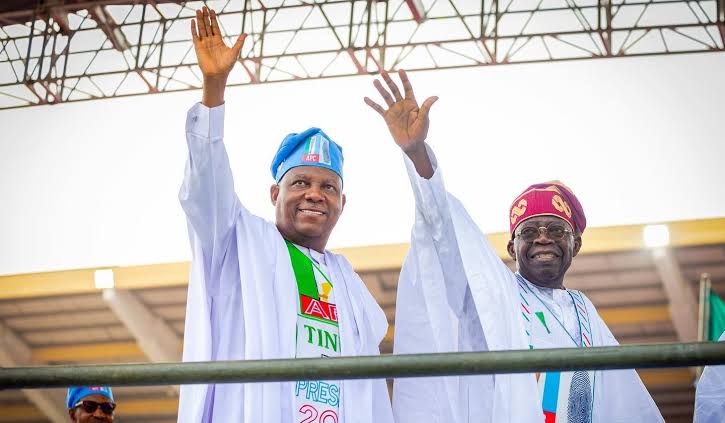

The Nigeria Democratic Congress (NDC) has accused President Bola Tinubu’s administration of prioritising political campaigns and propaganda over the funding of critical public services, demanding explanations for what it described as a disturbing disparity in government spending.
The opposition party alleged that huge sums were being expended on political advertisements, publicity and distribution of gifts ahead of the 2027 general elections, while essential sectors such as health, defence and infrastructure continued to suffer inadequate funding.
The NDC argued that the alleged spending pattern could explain why the 2024 and 2025 budgets were poorly funded and why the implementation of the 2026 budget had remained uncertain.
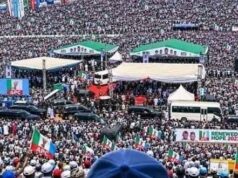
National Campaign Spokesperson of the party, Dr Chiogo Ikokwu, said Nigerians were witnessing an increasing wave of political advertisements and distribution of gifts by groups and individuals professing support for Tinubu’s administration.
She listed vehicles, laptops, sewing machines and food items among the items reportedly being distributed in the President’s name, describing the development as a reflection of misplaced government priorities.
Ikokwu also questioned the administration’s commitment to national security and healthcare, citing reports that only about seven per cent of the Defence Capital Budget was released in 2025.
She further alleged that the Health Ministry reported the release of just N36 million out of the N218 billion appropriated for health capital expenditure in the same year.
The party maintained that such funding gaps were particularly alarming given the security challenges confronting the country and the deteriorating condition of public infrastructure.
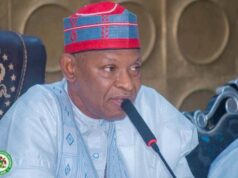
Meanwhile, an All Progressives Congress (APC) chieftain and former Kebbi State governorship candidate, Salihu Nataro, has warned that Nigeria could experience civil unrest if the Tinubu administration fails to address the country’s mounting debt and economic difficulties.
Nataro expressed concern over the declining purchasing power of Nigerians and the growing burden of debt servicing, warning that continued economic hardship could fuel widespread public discontent.
He called on the President to suspend further foreign borrowing and explore alternative sources of revenue by harnessing domestic resources and available government earnings to stimulate economic growth.
According to him, Nigerians supported Tinubu’s election with the expectation that his influence and international business connections would help address the country’s accumulated debt burden.
However, he regretted that the administration had continued to secure loans without adequately exploring other measures capable of boosting productivity, creating employment opportunities and strengthening the economy.
Similarly, the Chairman of the Alliance for Economic Research and Ethics (AERE), Dele Oye, expressed concern over Nigeria’s rising debt profile and worsening poverty, arguing that the economic reforms introduced by the Tinubu administration had yet to significantly improve the living conditions of millions of citizens.
Oye maintained that more than 140 million Nigerians were yet to feel the positive impact of the government’s economic policies.