Home Blog Page 275

Trump’s $100,000 H-1B Tech Visa Fee Faces Legal Challenge

 

A broad coalition of professionals, including healthcare workers, educators, and religious leaders, has filed a lawsuit in federal court to challenge the Trump administration’s newly introduced $100,000 H-1B visa fee.

Filed on Friday in San Francisco, the lawsuit argues that the steep fee is unlawful and threatens to cripple critical sectors of the U.S. economy by restricting access to global talent.

“Without relief, hospitals will lose medical staff, churches will lose pastors, classrooms will lose teachers, and industries across the country risk losing key innovators,” the group said in a statement.

The coalition is urging the court to immediately block the policy, warning that the fee undermines the long-standing H-1B visa system relied on by employers across fields, from tech to healthcare.

The new visa fee, announced by President Donald Trump’s administration just last month, was implemented with only 36 hours’ notice, sparking widespread confusion among companies and immigration attorneys.

Many businesses were unsure how the rule would be applied or whether they would be affected.

The H-1B visa, which allows U.S. companies to hire highly skilled foreign workers, is particularly critical to Silicon Valley, which has long depended on international talent to drive innovation.

Despite Trump’s hardline immigration stance since returning to the White House, the H-1B program had largely remained untouched—until now.

The fee is part of President Trump’s renewed and intensified crackdown on immigration.

The administration argues that the H-1B system has been misused, claiming it allows companies to replace American workers with cheaper foreign labor.

The United States issues about 85,000 H-1B visas annually through a lottery system, with India accounting for roughly 75% of all recipients.

The policy has drawn criticism from tech leaders and entrepreneurs, including former Trump ally Elon Musk, who have long warned that curbing skilled immigration would damage the U.S. economy.

They argue that there simply isn’t enough domestic talent to meet the needs of the tech industry and that high-skilled visa holders play a vital role in maintaining the country’s global leadership in innovation.

As the lawsuit unfolds, employers and workers remain in limbo.

The coalition’s legal action seeks to restore predictability and fairness to the visa system and prevent disruptions that could affect vital sectors of the U.S economy.

“The suit asks the court to immediately block the order and restore predictability for employers and workers,” the coalition emphasized.


Google search engine

Shea Nut Export Ban Worsens Market Chaos, Crashes Prices By Over 30%


The Federal Government’s sudden ban on the export of raw shea nuts is sending shockwaves across Nigeria’s agricultural value chain, causing prices to plunge by more than 30% and throwing exporters, farmers, and aggregators into economic uncertainty.

Since the six-month ban was enacted on August 26, 2025, market disruptions have intensified.

Contracts worth millions of naira are at risk, with exporters facing possible legal and reputational fallout due to default.

For many, the situation is made worse by pending loan repayments taken out to fund procurement and aggregation.

The policy, approved by President Bola Tinubu and announced by Vice President Kashim Shettima, aims to clamp down on informal trade, boost local processing and strengthen Nigeria’s position in the global shea value chain.

At the announcement in Abuja, Shettima described the decision as “not an anti-trade policy, but a pro-value addition policy” aimed at supporting domestic processors and creating jobs.

However, the immediate enforcement of the ban has drawn sharp criticism from stakeholders, who argue that the move has undermined confidence in the sector.

Industry experts agree that while boosting local processing is a step in the right direction, the abrupt nature of the ban has done more harm than good.

Farmers, aggregators, exporters, and logistics providers, key players in the shea nut ecosystem, are reeling from the shock.

Nigeria is a global leader in shea production, accounting for nearly 40% of world output.

Analysts say local processing has the potential to generate up to $300 million annually through job creation, foreign exchange, and industrial capacity.

But the road to value addition, they warn, must be carefully managed.

The Centre for the Promotion of Private Enterprise (CPPE) has voiced serious concerns about the ban’s economic implications.

In a statement titled “Managing Nigeria’s Shea Nut Export Ban: Balancing Value Addition With Economic Inclusion,” CPPE CEO Dr. Muda Yusuf highlighted the dangers of sudden policy changes.

According to Yusuf, “The sudden ban with immediate effect introduces uncertainty, heightens risk, and undermines investor confidence, deterring investment not just in shea, but across the broader non-oil export sector.”

He warned that “abrupt policy shifts send negative signals to investors,” and could reverse the gains recorded in non-oil exports, which exceeded $3 billion in Q1 2025 alone.

Yusuf added that the policy risks massive job losses across the shea value chain, cultivation, aggregation, logistics, and trade, while disproportionately benefiting processors at the expense of rural producers.

“The policy effectively penalises primary producers to benefit processors, creating a zero-sum scenario rather than a shared-growth model,” he stated.

To mitigate the fallout, CPPE recommends a strategic, phased approach to the export ban that includes:

  • Clear timelines for ending raw exports, giving businesses time to adapt.
  • Permits for fulfilling existing contracts to avoid defaults and protect Nigeria’s trade reputation.
  • Addressing structural bottlenecks such as power, logistics, financing, and infrastructure.
  • Ensuring fair market prices for farmers to protect rural livelihoods.
  • Encouraging innovation and efficiency in local processing over reliance on subsidised raw materials.
  • Inclusive dialogue, through regular stakeholder engagement involving farmers, exporters, processors, and financiers.
  • Improved policy predictability, to foster investor trust and long-term commitment.

Yusuf acknowledged that value addition is crucial for economic diversification but stressed that it must be handled with caution.

“A phased transition, supported by structural reforms, will protect rural incomes, sustain non-oil export growth, and ensure that processors thrive on competitiveness rather than on a regime of subsidised raw materials,” he said.

“Policy stability and stakeholder engagement are essential to achieving a win-win outcome for farmers, processors, and the broader economy.”

As Nigeria seeks to industrialise its agricultural exports, the outcome of this ban could set a precedent, either as a model of effective value, chain development or a cautionary tale of rushed economic policy.

Google search engine

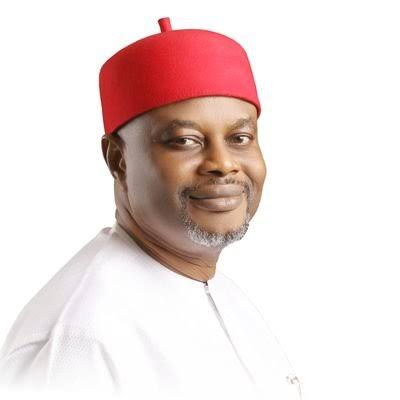
UNN Disowns Certificate Of Tinubu’s Minister Uche Nnaji, Declares It Fake


The University of Nigeria, Nsukka (UNN), has publicly disassociated itself from the academic credentials presented by the Minister of Science, Technology and Innovation, Mr. Uche Nnaji.

According to the institution, the Bachelor of Science degree he claims to have obtained from UNN is not authentic, as he never completed his programme at the university.

The controversy over Mr. Nnaji’s academic qualifications has lingered since July 2023, following his nomination by President Bola Tinubu as one of the 28 ministerial candidates sent to the Senate for confirmation.

Despite growing scrutiny, the minister submitted what critics have described as forged documents, including a UNN degree certificate and an NYSC certificate, to various federal institutions, including the Office of the Secretary to the Government of the Federation, the State Security Service, and the Nigerian Senate.

In response to a Freedom of Information (FOI) request by PREMIUM TIMES, the Vice-Chancellor of UNN, Professor Simon U. Ortuanya, issued a formal letter on October 2, 2025, confirming that while Mr. Nnaji was admitted in 1981, he did not complete his studies and was never awarded a degree.

“We refer to your letter dated 29 September 2025 in respect of the above subject matter,” the Vice-Chancellor wrote.

“We can confirm that Mr. Geoffrey Uchechukwu Nnaji, with Matriculation Number 1981/30725, was admitted by the University of Nigeria, Nsukka in 1981.

“From every available records and information from the University of Nigeria, Nsukka, we are unable to confirm that Mr. Geoffrey Uchechukwu Nnaji, the current Minister of Science and Technology, graduated from the University of Nigeria in July 1985, as there are no records of his completion of study in the University of Nigeria, Nsukka.

“Flowing from above, the University of Nigeria, Nsukka DID NOT and consequently, COULD NOT have issued the purported certificate, or at all, in July 1985 to Mr. Geoffrey Uchechukwu Nnaji, the current Minister of Science and Technology. This conclusion is also in consonance with an earlier letter dated May 13, 2025, ref. No. RUN/SR/R/V, issued by the University to the Public Complaints Commission in respect of the same subject matter (copy attached).”

Google search engine

Trump Unveils 20-Point Gaza Peace Plan, Hamas Signals Readiness For Talks


Hamas on Friday expressed willingness to begin immediate negotiations on releasing Israeli hostages and ending the nearly two-year-long Gaza war, following the announcement of a 20-point peace plan by U.S. President Donald Trump.

The plan was unveiled on Monday at the White House, where Trump appeared alongside Israeli Prime Minister Benjamin Netanyahu, who offered cautious support for the proposal.

According to the White House, the initiative outlines a roadmap for a permanent ceasefire, hostage exchange, humanitarian relief, and the eventual reconstruction and governance of Gaza.

Below are the key points of the plan as released by the White House:

Demilitarized Gaza: Gaza will become a deradicalized, terror-free zone that poses no threat to its neighbors.

Reconstruction Effort: The territory will be redeveloped to benefit the people of Gaza, who have “suffered more than enough.”

Immediate Ceasefire: Once both sides accept the proposal, hostilities will end, and Israeli forces will withdraw to an agreed line to allow for hostage exchanges. All military operations will be frozen during this phase.

Hostage Release: Within 72 hours of Israel’s acceptance, all Israeli hostages, living and deceased, will be returned.

Prisoner Swap: Israel will free 250 life-sentence prisoners and 1,700 Gazans detained since October 7, 2023, including all women and children. For every deceased Israeli hostage returned, Israel will release the remains of 15 Gazans.

Amnesty for Hamas Members: Hamas members who renounce violence and surrender their weapons will receive amnesty, while those wishing to leave Gaza will be granted safe passage to host countries.

Humanitarian Aid: Full-scale humanitarian assistance will resume immediately, focusing on restoring water, electricity, healthcare, and infrastructure.

Aid Delivery Oversight: Distribution will be handled independently through the United Nations, the Red Crescent, and other neutral organizations, following existing January 2025 aid mechanisms.

Transitional Government: Gaza will be administered by a temporary technocratic Palestinian committee supervised by an international “Board of Peace” chaired by President Trump, with other global figures including former UK Prime Minister Tony Blair.

The board will oversee governance and redevelopment until the reformed Palestinian Authority can reassume control.

Economic Redevelopment: A Trump-led economic initiative will attract global investors and urban development experts to rebuild Gaza’s economy and infrastructure.

Special Economic Zone: A designated area with preferential trade and tariff policies will be created to boost investment.

Freedom of Movement: No resident will be forced to leave Gaza; those who wish to depart or return may do so freely.

Demilitarization: Hamas and other factions will play no role in Gaza’s governance. All weapons, tunnels, and military infrastructure will be destroyed under international monitoring and a buy-back program.

Regional Guarantees: Neighboring Arab states will help ensure compliance and maintain regional stability.

International Stabilization Force: A temporary multinational force will deploy to Gaza to train local police and secure borders in collaboration with Egypt, Jordan and Israel.

Israeli Withdrawal: Israel will not occupy or annex Gaza. Its forces will withdraw in stages as security milestones are achieved.

Implementation in Phases: If Hamas delays or rejects the plan, reconstruction and aid operations will proceed in secured “terror-free” zones.

Interfaith Dialogue: Religious leaders will launch a dialogue initiative promoting peace, tolerance, and coexistence between Israelis and Palestinians.

Path to Statehood: Once Gaza is rebuilt and the Palestinian Authority’s reforms are completed, conditions will be ripe for discussions on Palestinian self-determination and eventual statehood.

Permanent Dialogue: The U.S. will facilitate continued talks between Israel and the Palestinians to establish a lasting framework for peace and prosperity.

The White House described the plan as “a bold and practical pathway to lasting peace,” while regional reactions remain cautious. Hamas’s initial response, expressing readiness for talks, marks a potentially significant shift after years of bloodshed.

Google search engine

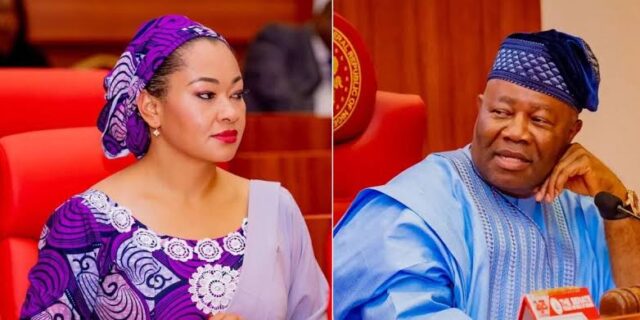
JUST IN: Court Delivers Judgement On Suit Challenging Akpabio, Senate Over Natasha’s Suspension


The Federal High Court in Abuja has dismissed a suit seeking to nullify the suspension of Kogi Central Senator, Natasha Akpoti-Uduaghan, ruling that the plaintiffs lacked the legal standing to challenge the Senate’s internal disciplinary action.

Justice James Omotosho delivered the judgment on Friday, striking out the case filed by Ovavu Illiyasu and nine others against Senate President Godswill Akpabio and the Senate.

The plaintiffs had questioned the legality of Akpoti-Uduaghan’s six-month suspension, imposed in March 2025 over alleged misconduct and violation of Senate standing rules.

In the suit, marked FHC/ABJ/CS/654/2025, the complainants argued that the suspension deprived the people of Kogi Central Senatorial District of adequate representation and urged the court to nullify the decision.

However, Justice Omotosho held that the plaintiffs failed to demonstrate a direct personal interest in the case, noting that they were not parties directly affected by the Senate’s disciplinary action.

He therefore dismissed the suit for lacking merit.

Senator Akpoti-Uduaghan returned to her office in the National Assembly complex on September 23, after serving her suspension, which took effect on March 6.

The lawmaker’s office, sealed for six months, was reopened by Deputy Director of the Sergeant-at-Arms, Alabi Adedeji, marking her official reinstatement.

The senator’s return drew jubilant supporters, who accompanied her from the FCT High Court, where she attended a separate defamation hearing involving Senate President Akpabio and former Kogi State Governor Yahaya Bello, to the National Assembly.

Although the Senate is currently on recess, Akpoti-Uduaghan said her suspension did not deter her from performing her responsibilities to her constituents, insisting that she remained committed to her legislative duties throughout the period.

The Senate leadership had earlier defended its decision to suspend her, arguing that it was guided by the chamber’s internal rules and the need to maintain institutional discipline.

It also stated that any review of her suspension would only occur after the conclusion of ongoing legal proceedings.

With Friday’s judgment, the Senate’s decision stands, while Akpoti-Uduaghan’s legal challenge continues to make its way through the appellate process.

Google search engine

Super Falcons Star Ifeoma Onumonu Announces Retirement From Football


Nigerian international and Super Falcons forward Ifeoma Onumonu has brought her playing career to an end after more than a decade of professional football across the United States, France and Nigeria.

In an emotional statement shared on Instagram on Saturday, the 31-year-old described her retirement as “a natural conclusion” to a lifelong passion that began when she was just eight years old.

“It is with a heart full of gratitude that I bid farewell to my playing career on the pitch,” Onumonu wrote.

“From those early days running across fields near my home with my youth team, Magic, I fell in love with the game, not because of winning or losing, but because I simply loved to play.”

Over a career spanning 22 years, Onumonu represented several top clubs and achieved milestones that many players only dream of.

She lifted the National Women’s Soccer League (NWSL) championship in the United States, featured for Nigeria at the World Cup and Olympic Games and helped the Super Falcons win their record-extending 10th Women’s Africa Cup of Nations title in 2025.

Born in the United States, Onumonu made her debut for Nigeria’s senior team in 2021 and quickly established herself as one of the squad’s most reliable forwards.

She was part of the 2023 FIFA Women’s World Cup team and returned to the international stage for the 2024 Paris Olympics, earning a call-up from the alternates list following Halimatu Ayinde’s injury.

At the 2025 Women’s AFCON in Morocco, she featured in Nigeria’s group stage clash with Algeria before the team went on to reclaim continental glory.

Her leadership and professionalism were often cited as vital influences on younger players in the national setup.

Onumonu began her professional journey in the United States with the Boston Breakers and later played for Portland Thorns, Reign FC, Utah Royals, and NJ/NY Gotham FC.

She most recently represented Montpellier HSC in France’s Division 1 Féminine.

A graduate of the University of California’s Golden Bears program, she also represented the U.S at the U-23 level before switching allegiance to Nigeria, a decision she described as one of the proudest of her life.

Known for her intelligence on the ball, calm finishing, and tireless work rate, Onumonu earned respect from teammates and fans alike.

In her farewell note, she emphasised that her departure from professional football does not mean a departure from the sport entirely.

“This is not goodbye to football, but the beginning of a new chapter,” she said.

“I’m excited to explore opportunities off the pitch, carrying forward the lessons and experiences that the game has given me.”

She expressed heartfelt gratitude to everyone who supported her along the way.

“To all my coaches, teammates, doctors, fans, friends, and family, thank you for walking this journey with me. Although my time as a player has ended, my love and devotion to football will never fade.”

With her retirement, Onumonu closes a distinguished chapter in Nigerian women’s football, leaving behind a legacy defined by dedication, humility and excellence on and off the field.

Google search engine

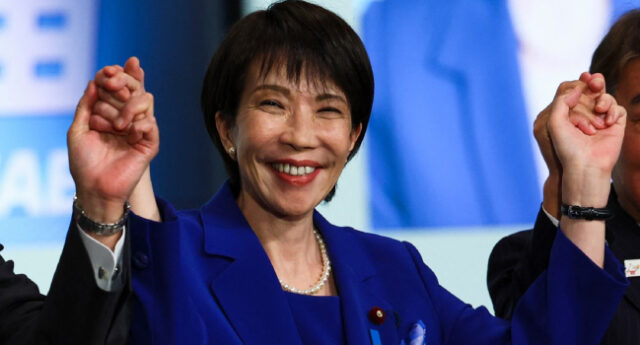
Sanae Takaichi To Become Japan’s First Female Prime Minister

Japan is set to make history as Sanae Takaichi, a veteran conservative politician, emerges as the new leader of the ruling Liberal Democratic Party (LDP), positioning her to become the country’s first woman prime minister.

Takaichi, 64, clinched victory in Saturday’s runoff election against Shinjiro Koizumi, the youthful and charismatic son of former prime minister Junichiro Koizumi.

Her win places her firmly on track to be confirmed by parliament, where the LDP holds a majority.

Once sworn in, she will become Japan’s fifth prime minister in five years, succeeding outgoing leader Shigeru Ishiba.

While her rise marks a symbolic milestone for women in Japanese politics, analysts caution that Takaichi’s leadership is unlikely to usher in sweeping gender reforms.

A staunch conservative and longtime ally of the late Shinzo Abe, she is better known for her hardline views on defence, national identity, and economic security than for feminist advocacy.

During her campaign, Takaichi pledged to strengthen Japan’s military posture and tighten immigration rules, reflecting growing voter anxiety over national security and economic challenges.

Her tough stance helped rally conservative factions within the LDP and win over voters disillusioned by recent corruption scandals and rising inflation.

Shifting Tone Amid Political Realities
Takaichi, who once served as Minister for Economic Security, has been a vocal critic of China’s expanding influence in the Asia-Pacific.

However, she tempered her rhetoric during this campaign, adopting a more pragmatic tone than in past contests when her pledge to visit the controversial Yasukuni Shrine cost her electoral support.

A regular visitor to the shrine, which honours Japan’s war dead, including convicted war criminals, Takaichi’s stance has often strained Tokyo’s relations with China and South Korea. Her softer tone this time around signals an effort to project stability and broaden her appeal.

A former college drummer inspired by Britain’s Margaret Thatcher, Takaichi has long cultivated an image of discipline and determination.

Admirers see her as a symbol of resilience in a male-dominated political landscape, while critics argue her conservative views on family and gender equality remain outdated.

She opposes revising Japan’s 19th-century civil code that forces married couples to share the same surname, a policy that overwhelmingly affects women and has shown little interest in challenging entrenched patriarchal norms.

Still, Takaichi has promised to improve gender representation in her cabinet to “Nordic” standards, acknowledging Japan’s poor ranking of 118th out of 148 countries in the World Economic Forum’s 2025 Gender Gap Report.

Echoing her mentor Abe’s “Abenomics” blueprint, Takaichi supports expansive fiscal spending and aggressive monetary easing to stimulate Japan’s sluggish economy.

She has also raised concerns about the economic influence of foreign investors and called for stricter rules to protect domestic industries.

On trade, she has expressed willingness to renegotiate certain deals with the United States if they are perceived as disadvantaging Japan , signalling a more assertive approach to foreign economic policy.

As she prepares to take office, Takaichi faces the dual challenge of reviving voter confidence in the scandal-hit LDP and steering Japan through economic headwinds, demographic decline, and regional security tensions.

Her election marks a breakthrough for Japanese politics, but whether she will transform the system or reinforce its conservative traditions remains to be seen.

Google search engine

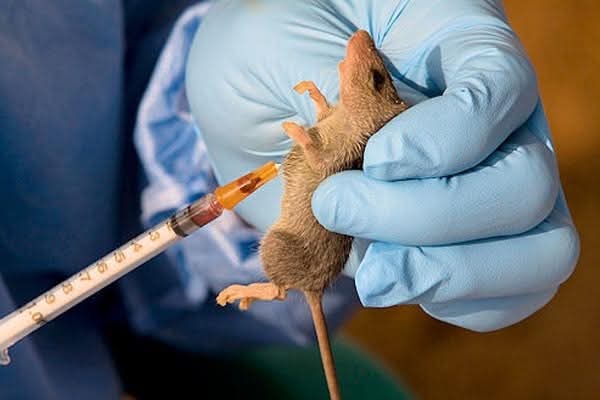
FULL LIST: Lassa Fever Spreads Across 21 States, 106 LGAs As Confirmed Cases Rise To 906


The Nigeria Centre for Disease Control and Prevention (NCDC) has reported that the Lassa fever outbreak has affected 21 states and 106 local government areas, with 906 confirmed cases and 168 deaths recorded so far in 2025.

According to the agency’s latest situation report for epidemiological week 38, a total of 4,543 suspected cases have been documented nationwide.

Of these, 897 tested positive for the disease, representing a case fatality rate of 18.7 per cent.

Ondo, Edo, Taraba, and Bauchi remain the hardest-hit states, jointly accounting for 67 per cent of all confirmed cases.

Ondo tops the list, followed by Edo and Bauchi, while other affected states include Ebonyi, Benue, Kogi, Gombe, Plateau, Kaduna, Nasarawa, Enugu, Delta, Anambra, Rivers, Borno, Oyo, Ogun, the Federal Capital Territory and Lagos.

The NCDC noted that most confirmed infections were among people aged between 21 and 40 years, describing this demographic as the most socially and economically active group, which makes them more susceptible to exposure.

Lassa fever, an acute viral haemorrhagic illness, is transmitted to humans primarily through contact with food or household items contaminated by the urine or faeces of infected rodents.

The disease can also spread through human-to-human transmission, particularly in healthcare facilities that lack adequate infection prevention and control measures.

While Lassa fever cases typically peak during the dry season, from December to April, the NCDC observed that infections have persisted year-round.

The agency warned that without intensified awareness and preventive efforts, the virus will continue to pose a significant public health threat.

Despite ongoing interventions, Nigeria’s case fatality rate remains nearly double the national target of below 10 per cent.

Some states, notably Taraba and Bauchi, reported even higher death rates than the national average.

The NCDC reiterated that early detection and prompt treatment significantly improve survival chances, as the antiviral drug ribavirin is most effective when administered early in the course of the illness.

To curb the spread, the agency said it is strengthening surveillance, expanding diagnostic laboratories, and supporting treatment centres in high-burden states.

It has also intensified community sensitisation campaigns focused on hygiene, food storage, and rodent control.

The NCDC called for stronger cooperation among state governments, local communities, and healthcare workers.

Citizens were urged to keep their surroundings clean, cover household waste, store food properly, and avoid self-medication.

The agency concluded by stressing that vigilance remains crucial as Nigeria continues to battle Lassa fever’s recurring threat across multiple regions.

Google search engine

Police Have Turned Into Tax Collector, Making Mockery Of Our Laws With CMRIS Scheme – HURIWA Tells Tinubu


The Human Rights Writers Association of Nigeria (HURIWA) has faulted the Nigeria Police Force (NPF) for insisting on the issuance of the Central Motor Registry Information System (CMRIS) certificate to motorists, describing the move as “ridiculous and unconstitutional.”

The group’s statement followed an interim order by the Federal High Court sitting in Warri, Delta State, which restrained the Inspector-General of Police (IGP) from enforcing tinted glass permits nationwide.

The ruling, delivered on Friday in Suit No. FHC/WR/CS/103/2025 filed by legal practitioner John Aikpokpo-Martins, directed the police to “maintain the status quo” pending the determination of the matter.

In a statement issued by its National Coordinator, Emmanuel Onwubiko, HURIWA condemned what it described as the police’s attempt to transform itself into a revenue-generating institution in violation of constitutional provisions and the recently enacted tax reform laws.

“It is absurd that at a time when insecurity, violent crimes, and lawlessness are on the rise across the country, the Nigeria Police Force has turned itself into a tax collection agency,” Onwubiko said.

“It is illegal for the police to engage in revenue generation, especially under the new tax reform Acts, which clearly designate the Nigeria Revenue Service (NRS) as the only body authorised to collect all federal taxes and non-tax revenues.”

The rights group accused the police leadership of abandoning its primary responsibility of crime prevention and law enforcement in favour of activities that have no legal basis.

It warned that the continuous issuance of the CMRIS certificate without legislative approval is null and void.

“Any such certificate being issued by the police has no legal standing. It is a violation of both the constitution and the 2025 tax reform Acts,” HURIWA stated.

“The police should refocus their energy on tackling rising cases of kidnapping, banditry, and terrorism in parts of the country rather than engaging in revenue drives.”

HURIWA also urged President Bola Ahmed Tinubu to call the police hierarchy to order and direct them to prioritise their core mandate of maintaining public safety.

“The President should intervene immediately. The police must leave revenue mobilisation to the appropriate agencies and concentrate on rebuilding their internal structures for efficient policing. Turning the force into a fee-collecting body is embarrassing and undermines public confidence in law enforcement,” the group added.

HURIWA described the policy as “ridiculing the institution of the police,” warning that such actions could further alienate the public from cooperating with security agencies in the fight against crime.

Google search engine

2027: Okechukwu Slams Atiku, Labels Him Enemy Of Zoning, Democracy

A chieftain and founding member of the All Progressives Congress (APC), Osita Okechukwu, has criticised former Vice President and 2023 Peoples Democratic Party (PDP) presidential candidate, Atiku Abubakar, describing him as an “anti-democrat.”

Okechukwu’s comment followed Atiku’s recent statement during a BBC Hausa Service interview, where the former vice president said he would support and mentor a younger candidate if such a person emerged through a competitive primary ahead of the 2027 presidential election.

Reacting in a statement on Friday, Okechukwu said Atiku’s position undermines Nigeria’s long-standing zoning and rotation convention, a political understanding that has helped preserve national balance and unity since the return to democracy in 1999.

“By placing so-called competitive primaries above Nigeria’s cherished zoning and rotation arrangement, the delicate unity glue that has sustained the Fourth Republic, Atiku Abubakar demonstrates a deep disregard for one of the foundational principles of our democracy,” Okechukwu said.

He recalled that Atiku himself had benefitted from the zoning formula in the past but later led efforts to jettison it, citing his 2014 presidential run where no southern aspirant participated in the PDP primary.

Okechukwu further described Atiku’s idea of a “competitive primary” as a euphemism for “dollarised contests,” which, according to him, privilege money over merit and exclude large sections of the country from leadership opportunities.

“Among the key pillars of democracy are national unity and credible elections. Atiku is now promoting monetised and exclusionary primaries as democracy, while downplaying the convention that guarantees fairness, equity, and inclusion in our diverse federation,” he added.

He concluded that Atiku’s comments reveal a personal ambition that prioritises power over principle.

“His pronouncement confirms fears that he seeks power not to strengthen democratic institutions, but to dismantle the very structures that have kept the Nigerian project together,” Okechukwu stated.

Google search engine

MOST COMMENTED

- Advertisement -
Google search engine