Home Blog Page 508

2027: Major Al-Mustapha Declares For President, Promises To Rebuild Nigeria


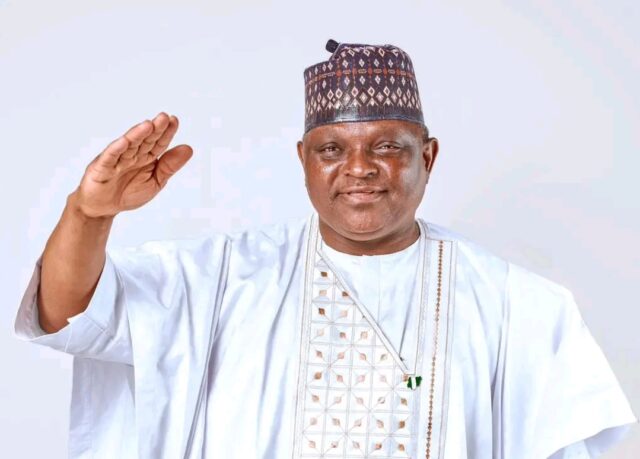
Retired Major Hamza Al-Mustapha, former Chief Security Officer to late Head of State General Sani Abacha, has officially announced his intention to run for president in the 2027 general elections on the platform of the Social Democratic Party (SDP).

The declaration was made on Tuesday in Minna, Niger State, during a strategic engagement with the SDP’s state executive committee and his supporters.

Addressing the gathering, Al-Mustapha shared his motivation and vision for seeking the highest office in the land.

“I am pained and deeply concerned about the current state of the nation. However, with the right direction and commitment, Nigeria can rise again. Though the road ahead may be rough, together we can rebuild the Nigeria we all deserve,” he declared.

He described the event as part of a broader initiative to consult and align with key political stakeholders nationwide in the lead-up to the 2027 elections.

In a statement issued by Jubril Umar Sanda, Director of News Media and ICT for the campaign, Al-Mustapha was said to be “fully prepared for the journey ahead, ready to serve with integrity, courage, and a clear plan for progress.”

Earlier in the day, the former security chief made a stop in Minna on his way to Mokwa, where he sympathized with victims of a recent flood disaster that affected over 200 people and caused property damage worth millions of naira.

Emphasizing the pressing need for effective leadership and national cohesion, Al-Mustapha reiterated the importance of unity and sustainable development to address the country’s growing challenges.

Welcoming the announcement, SDP State Chairman Alhaji Buhari Yakubu Yarima commended Al-Mustapha’s dedication to national service.

“We are confident that with credible candidates and a clear vision, the SDP will be a force to reckon with in 2027,” he said.

Google search engine

FG To Link Credit Scores To NIN, Defaulters May Be Denied Passports, Licenses


In a major policy shift, the Federal Government has announced plans to connect the credit profiles of Nigerians to their National Identification Numbers (NIN), with loan defaulters facing serious consequences, including denial of essential government services such as passport renewal and driver’s license issuance.

The initiative was unveiled on Tuesday at a media briefing held at the State House in Abuja by Uzoma Nwagba, Managing Director of the Nigerian Consumer Credit Corporation (CREDICORP).

According to Nwagba, the reform will consolidate credit data from banks, fintech platforms, microfinance institutions, and other lenders into a unified national credit bureau.

“This marks a fundamental shift in how credit works in Nigeria. Your NIN becomes your financial anchor. Whether you’ve borrowed from a bank, micro-lender, or fintech, your record will be tracked and will carry consequences,” Nwagba stated.

The system aims to assign every Nigerian a credit profile based on their borrowing and repayment habits. This profile will help determine eligibility for credit and access to public services.

“There will be no hiding place,” Nwagba warned, noting that those who fail to meet repayment obligations may face restrictions in obtaining travel documents or securing housing.

He emphasized, however, that the framework is intended to foster responsible borrowing and not simply to penalize citizens.

“This is not about punishment. It’s about promoting discipline and rewarding financial responsibility,” he explained.

The credit-scoring model will rely on both financial and non-financial data to create a detailed profile for each adult Nigerian.

“The goal is simple: every Nigerian must have a credit score. Access to economic opportunities will be tied to how you manage your finances.”

Nwagba noted that this reform aligns with President Bola Tinubu’s Renewed Hope Agenda, which aims to boost living standards, reduce corruption, and stimulate industrial development.

“This isn’t just about credit. It’s about giving people access to better lives. When people lack capital to meet their needs, they may resort to unethical practices. We’re changing that,” he said.

Additionally, the new credit system will support local industries by encouraging the use of credit to purchase Nigerian-made goods, thus stimulating the economy, generating employment, and enhancing productivity.

Nwagba also highlighted the scale of Nigeria’s credit shortfall, estimated at ₦183 trillion, and called on the private sector to participate actively in bridging the gap.

“No government can fund that level of credit. But with strong institutions and transparency, lenders will have more confidence, interest rates will fall, and Nigerians will have real access to affordable credit,” he said.

As part of broader reforms, CREDICORP is rolling out “YouthCred”, a new credit initiative targeting young Nigerians, especially members of the National Youth Service Corps (NYSC).

“YouthCred is no longer an idea. It’s in motion. The systems are ready, and rollout is underway,” Nwagba confirmed.

Olanike Kolawole, Executive Director of Operations at CREDICORP, added that the YouthCred programme is structured to empower individuals aged 18 to 35 through financial inclusion and literacy.

“YouthCred is not just about loans, it’s about building a financially literate generation. As we expand, we’re ensuring young people have the tools and habits to succeed,” she said.

Both Nwagba and Kolawole emphasized that the integration of credit scores with NIN will revolutionize how citizens engage with public services, enhance transparency, and promote a culture of financial responsibility in Nigeria.

Google search engine

Senate Questions Nomination Of Non-Indigene As Rivers Electoral Commission Chair


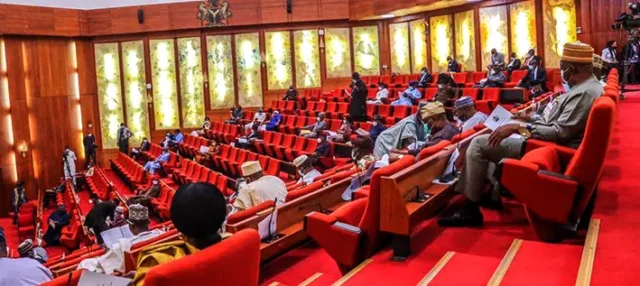
The Senate Adhoc Committee on the Emergency Rule in Rivers State has begun screening nominees for the Rivers State Independent Electoral Commission (RSIEC), and controversy has already surfaced surrounding the nomination of Michael Odey as chairman of the electoral body.

Odey, who hails from Cross River State, faced tough questions from the screening panel, chaired by Senate Leader Opeyemi Bamidele.

His non-indigene status was a central point of debate, especially considering that the Sole Administrator currently overseeing Rivers State, Ibok Ekwe Ibas, is also from Cross River.

Defending his nomination, Odey stated that no legal barrier exists preventing someone from outside Rivers State from leading the electoral commission.

“With utmost respect, I have gone through the RSIEC’s enabling law, and there is nothing that precludes the appointment of anybody outside the state as chairman of the electoral management body,” he explained.

Despite this clarification, Senator Bamidele voiced concern over the broader implications of such an appointment.

While acknowledging that the law may not explicitly prohibit it, he questioned whether the decision aligns with the spirit and expectations of state governance.

“We are also in possession of the law, so make it available to the committee because in my opinion, the Independent National Electoral Commission is about the Federal Republic of Nigeria. When we say State Independent Electoral Commission, it is about that state,” Bamidele remarked.

He further stressed the need to consider public sentiment and the precedents such appointments could set: “This is not a matter we are just going to gloss over. It has to be something we can defend. Even if the law does not prohibit such an appointment, we must ensure it is not repugnant to public conscience.”

The Senate committee is expected to revisit the provisions of the RSIEC law in order to assess whether nominating a non-indigene to such a position is legally and socially sustainable in the long term.

Other nominees who appeared before the panel for screening include Lezaasi Lenee Torbira, Arthur Nwafor, Godfrey Mbudiogha, Joyce Akaniwor, Olive A. Bruce, and Chidi Halliday.

Google search engine

Benue Killings: Tinubu Orders Security Chiefs, IGP To Arrest Perpetrators


During his visit to Benue State on Wednesday, President Bola Tinubu directed Nigeria’s service chiefs and the Inspector General of Police, Kayode Egbetokun, to take immediate action against those responsible for the recent wave of violence that has left dozens dead and many injured.

Addressing a stakeholders’ meeting at the Benue State Government House in Makurdi, Tinubu expressed dissatisfaction over the lack of arrests following the deadly attacks.

“Police, I hope your men are on alert to listen to information. How come no arrest has been made? I expect there should be an arrest of those criminals,” he stated.

He also addressed the Chief of Defence Staff, saying, “Christopher, you have given much. I watch your comments, you can’t be tired of staying in the bush.”

He acknowledged the efforts of other top security officials, adding, “Oloyede and the Air Marshal, we thank all of you, but we need to keep our ears to the ground, let’s get those criminals, let’s get them out. DG NIA, DG SSS, retool your information channels and let’s have tangible intelligence so that this will not occur again.”

The Yelwata community in Guma LGA was recently attacked by suspected herdsmen, an incident that claimed over 59 lives and displaced thousands.

The tragedy triggered public outrage and protests across the state.

Political figures such as Peter Obi of the Labour Party and former Vice President Atiku Abubakar condemned the killings, calling for urgent government action. Religious leaders, including Pope Leo XIV, described the massacre as “a terrible massacre.”

Earlier in the week, Tinubu had advised Governor Hyacinth Alia to initiate peace talks with all factions involved in the crisis.

He reiterated that call during his Wednesday visit, stressing the importance of dialogue and national unity.

“As Nigerians, we are members of the same house, but sleeping in different rooms. Whether you are a Tiv, Idoma, or Yoruba, let’s turn this country into a nation of prosperity, and unity, and fight our enemies together; not fight each other,” he said, addressing an audience that included SGF George Akume, APC Chairman Abdullahi Ganduje, governors, and traditional rulers.

“We can turn this tragedy into economic prosperity. We can do it, and we will do it with you. Let’s have a very serious understanding of, tolerance level. The value of human lives is greater than that of a cow,” Tinubu told Governor Alia.

“Let’s create that synergy for peace, development, and prosperity. We are here to govern, not to bury them. We are here to raise families, not to lose some, and provide healthcare, water for them to drink, and food [for them] to eat,” the President added, receiving applause from the crowd.

As part of long-term efforts, Tinubu proposed the formation of a leadership committee consisting of past governors, traditional leaders, and other stakeholders.

“Whatever we need to do, I will want us to create this leadership committee now, and then we will meet in Abuja to really fashion out the nucleus of a lasting peace, and I am ready to invest in that peace,” he said.

He also encouraged Nigerians to donate blood to help the injured and visited victims at the teaching hospital.

Governor Alia, for his part, emphasized the need for state policing and a dedicated intervention fund to support affected communities.

“Though community policing comes with challenges,” he said, “it is essential to ending the lingering crisis rocking the food-producing state.”

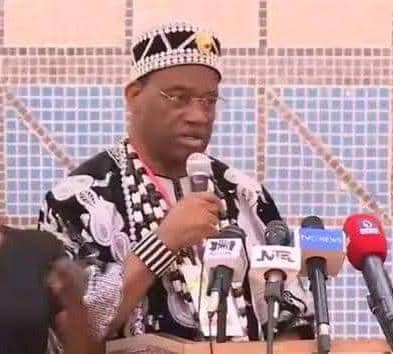
Meanwhile, Tor Tiv V and Chairman of the Benue State Traditional Council, James Ayatse, firmly rejected the notion that the killings stem from herder-farmer conflicts.

“We have grave concern about the misinformation and misrepresentation of the security crisis in Benue,” Ayatse told the President.

“Your Excellency, it is not herders-farmers clashes, it is not communal clashes, it is not reprisal attacks or skirmishes. It is this misinformation that has led to suggestions such as ‘remain tolerant’, ‘negotiate for peace’, or ‘learn to live with your neighbours.’

“What we are dealing with here in Benue is a calculated, well-planned, full-scale genocidal invasion and land-grabbing campaign by herder-terrorists and bandits, which has been on for decades and is worsening every year.

“Wrong diagnosis will always lead to wrong treatment. So we are dealing with something far more sinister than we often admit,” he concluded.

Google search engine

Benue Crisis Not Farmer-Herder Clashes But Genocidal Invasion – Tor Tiv Tells Tinubu


The Tor Tiv V, His Royal Majesty James Ayatse, has strongly rejected the widely circulated belief that the persistent violence in Benue State is due to clashes between farmers and herders.

He described such claims as misinformation that has distorted the reality of the security situation.

Speaking during a meeting with President Bola Tinubu and key stakeholders in Benue on Wednesday, the monarch insisted that the attacks are not communal or retaliatory, but rather deliberate acts of violence perpetrated by armed groups with the intent to displace indigenous communities.

“We do have grave concerns about the misinformation and misrepresentation of the security crisis in Benue State,” he told the president.

“Your Excellency, it’s not headers-farmers clashes, it’s not communal clashes, it’s not reprisal attacks or skirmishes.”

According to Tor Tiv, this mischaracterization has resulted in inappropriate policy suggestions and calls for restraint.

“It is this misinformation that has led to suggestions such as ‘remain tolerant, negotiate for peace, learn to live with your neighbours’,” he said.

He emphasized that the ongoing crisis in the state is a “calculated, well-planned, full-scale genocidal invasion and land grabbing campaign by herder terrorists and bandits”, stressing that these attacks have lasted for decades and have only intensified over time.

“What we are dealing with here in Benue is a calculated, well-planned, full-scale genocidal invasion and land grabbing campaign by header terrorists and bandits, which has been going on for decades and is worsening every year,” Ayatse reiterated.

He concluded with a warning about the dangers of misunderstanding the situation: “Wrong diagnosis will always lead to wrong treatment. So, we are dealing with something far more sinister than we think about. It’s not learning to live with your neighbors; it is dealing with the war.”

Google search engine

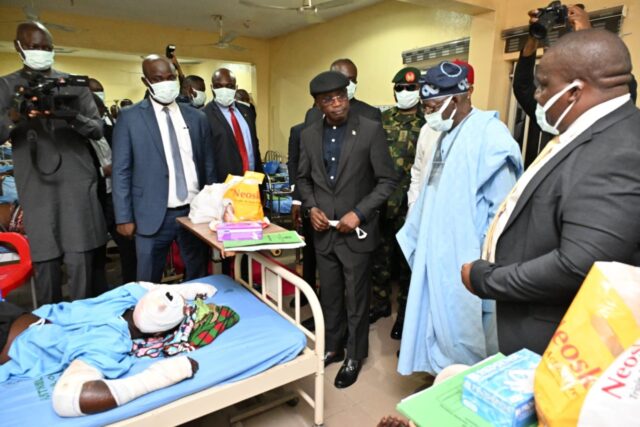
Tinubu Visits Victims Of Yelewata Attack At Benue Teaching Hospital


President Bola Tinubu on Wednesday visited victims of last week’s deadly assault on Yelewata community in Guma Local Government Area of Benue State, where over 59 people were reportedly killed and many others injured.

The president arrived at the Tactical Air Command of the Nigerian Air Force Base in Makurdi shortly before 1:00 pm and proceeded directly to the hospital where survivors of the attack are receiving treatment.

Photos released by the State House showed Tinubu interacting with victims in the hospital ward, offering words of comfort and support during his inspection of the medical facility.

Following the hospital visit, the president moved to the new Banquet Hall at the Benue State Government House, where he is scheduled to hold a crucial meeting with key stakeholders.

The engagement aims to address the rising wave of violence that has plagued rural communities across the state.

In attendance at the meeting are expected to be Benue State Governor Hyacinth Alia, other North-Central governors, National Security Adviser Nuhu Ribadu, Secretary to the Government of the Federation George Akume, and members of the National Assembly.

Top military officers, service chiefs, traditional rulers, and leaders of the All Progressives Congress (APC), especially those representing affected communities, are also expected to participate.

President Tinubu is also scheduled to meet with families of the deceased, displaced persons, injured victims, and community leaders directly affected by the recent attacks.

The Benue State Government declared a public holiday in honour of the president’s visit.

This visit comes amid mounting calls for urgent federal intervention in the state’s worsening security crisis, which has left communities devastated and thousands displaced over the years.

Google search engine

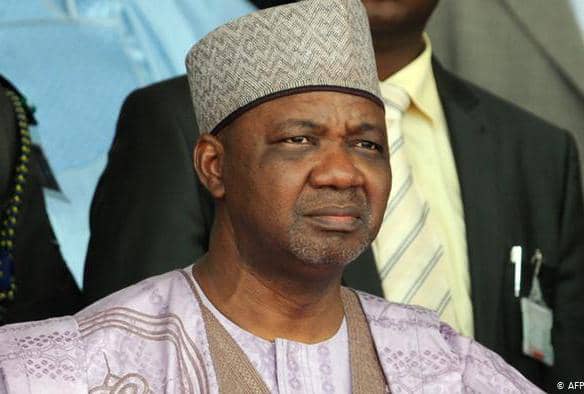
Former VP Namadi Sambo Denies Allegations Of Political Interference In 2013 Power Sector Privatization


Former Vice President Mohammed Namadi Sambo has dismissed claims made earlier by Dr. Shamsudeen Usman, a former Minister of Budget and National Planning, who alleged that the 2013 power sector privatization was influenced by political interests rather than being based on the technical and financial capabilities of the buyers.

In a statement released by his Personal Secretary, Mr. Yinka Ibrahim, Sambo described the allegations as “false, mischievous, and hypocritical,” emphasizing that they were aimed at tarnishing the reputation of the Goodluck Jonathan administration and the National Council on Privatization, which he chaired at the time.

“My attention was drawn to a shocking statement attributed to Dr. Usman, suggesting that political considerations influenced the selection of preferred bidders during the privatization process. This is utterly ridiculous and a complete falsehood,” the statement declared.

Dr. Usman had made the remarks at a recent event in Abuja, claiming that political figures within the Jonathan administration vied for stakes in the privatized power companies.

Sambo, however, rejected these claims as unfounded, stating, “As Chairman of the Privatization Council, I carried out the responsibilities in line with established procedures and in the best interest of the nation, which was widely acknowledged by both local and international communities.”

He also noted, “It is on record that the Minister of Power at the time had to resign due to apparent conflict of interest in the privatization process.”

“And to further ensure transparency in the privatization process, Nigeria’s anti-corruption agencies; the Economic and Financial Crime Commission (EFCC) and the Independent Corrupt Practices and other related Offences Commission (ICPC) were included as statutory members of the Council.”

The statement challenged Dr. Usman to provide “specific detail of the ‘foul plays’ or names of persons or organizations he claimed was politically favored or compromised.”

Sambo questioned the timing and motive behind the former minister’s comments, pointing out that Dr. Usman was deeply involved in the privatization process and chaired several committees.

“It is surprising that he would make such accusations more than a decade later. One can only wonder if this is an attempt to curry favor with the current administration,” the statement added.

Finally, Sambo advised President Bola Ahmed Tinubu and the Minister of Finance, Mr. Wale Edun, to exercise caution in dealing with Dr. Usman, describing him as inconsistent and disloyal.

“It is unfortunate to see someone who was so close to power and indeed the privatization process now turning around to discredit it. This is a classic case of biting the hand that fed him,” the statement concluded.

Google search engine

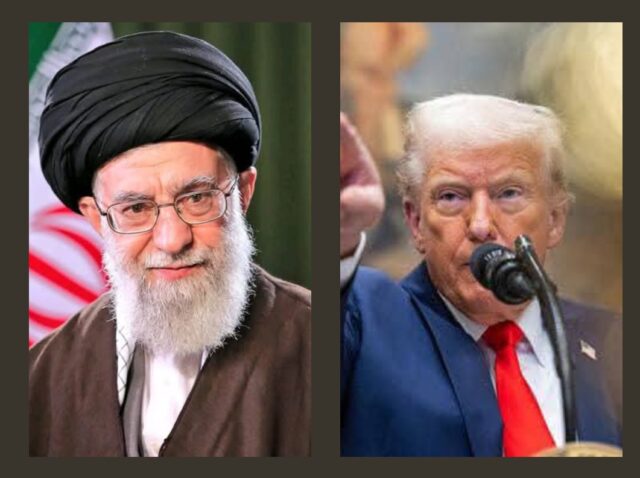
We May Join Israeli Military In Strikes Against Iran – Trump


President Donald Trump has declined to confirm whether the United States will support Israel militarily in its ongoing conflict with Iran, saying only, “I may do it, I may not do it. Nobody knows what I want to do.”

Speaking to reporters outside the White House during a flagpole installation event, Trump added, “Iran’s got a lot of trouble and wants to negotiate.”

The comments come amid heightened tensions between Israel and Iran. Israel launched airstrikes overnight targeting two of Iran’s centrifuge production sites, according to the UN’s nuclear watchdog.

Iran retaliated, claiming it had fired a hypersonic missile at Israel.

Earlier, Iran’s Supreme Leader, Ayatollah Ali Khamenei, warned the U.S. of “irreparable harm” if it enters the conflict, stating that Iran “will never surrender in response to the attacks of anyone.”

Khamenei, who holds the most power in Iran, including over foreign policy and nuclear negotiations, has dismissed Trump’s demands for unconditional surrender.

The Supreme Leader also claimed that U.S. involvement would be “100% to its own detriment.”

In response to Iran’s defiance, Trump took to Truth Social, posting: “We know exactly where the so-called ‘Supreme Leader’ is hiding… We are not going to take him out (kill!), at least not for now… but our patience is wearing thin.”

He followed up with a terse declaration: “UNCONDITIONAL SURRENDER!”

Despite escalating rhetoric, Trump has so far avoided direct military action.

Analysts suggest he faces a complex choice: uphold his “peacemaker” image that resonates with his political base or take a hardline stance on Iran’s nuclear ambitions.

Speaking further, Trump said that Iranian negotiators have indicated they “may come to the White House,” though he noted the difficulty in such arrangements.

He added, “Two very simple words: unconditional surrender. I’ve had it.”

Meanwhile, Israel continues its campaign. The Israel Defense Forces (IDF) reported it has achieved air superiority over key Iranian areas, particularly around Tehran.

According to IDF spokesperson Lt Col Nadav Shoshani, Israeli intelligence teams completed detailed mapping of Iran’s air defense infrastructure early in 2025, enabling successful strikes.

With Iran’s air defenses weakened and its air force largely grounded, Israel has maintained control of the skies.

Nonetheless, Iran claimed one success, the downing of an Israeli drone using a surface-to-air missile.

At the same time, humanitarian conditions in Iran are deteriorating.

Citizens in cities like Karaj and Qazvin have reported food and fuel shortages, crowded bakeries, and non-functional bank cards.

One Tehran resident told BBC Persian, “There are enough essentials, but shelves are being restocked slowly. Gas stations are still crowded.”

British national Naomi Brookarsh, who survived a missile strike while visiting her brother in Tel Aviv, described the experience as “like an apocalypse.”

She credited a bomb shelter with saving their lives during the attack.

Back in Washington, Trump’s public schedule appears light. Aside from a ceremonial swearing-in and a lunch with Pakistan’s military chief, no major public events are planned. Still, the unpredictability surrounding his decision-making remains a central feature of the crisis.

As he put it himself: “I may do it, I may not do it.”

Google search engine

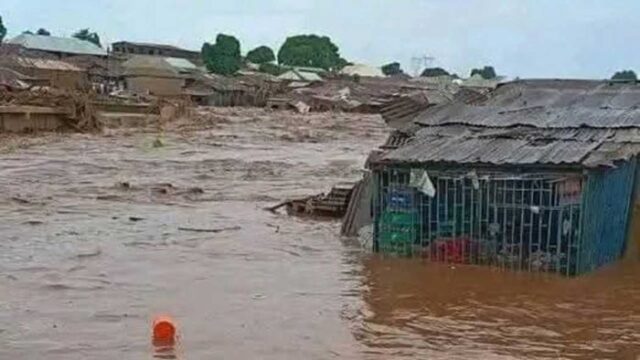
Mokwa Flood: 700 Still Missing, Over 200 Confirmed Dead – Niger Govt


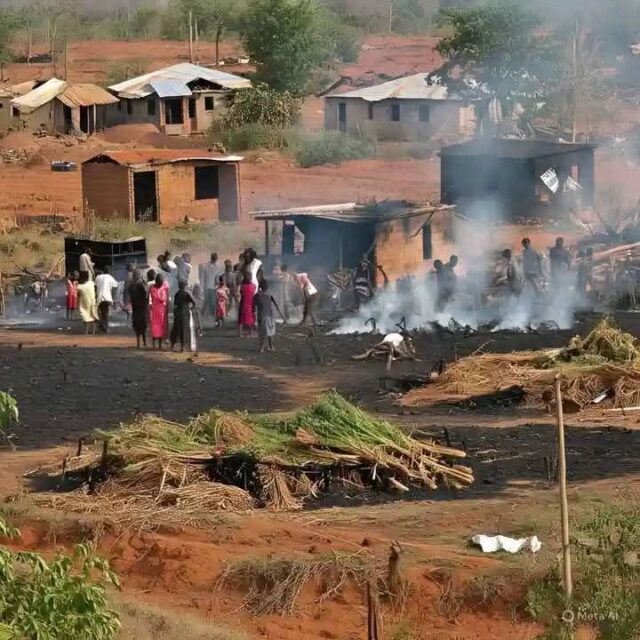
The Niger State Government has confirmed that around 700 individuals remain missing following the catastrophic flood that swept through Mokwa, describing the event as a national disaster.

Governor Umaru Bago, represented by his deputy Yakubu Garba, disclosed the figures during a condolence visit from the former Chief Security Officer to Gen. Sani Abacha and his associates on Tuesday in Minna.

“Over 700 persons are still missing, and we are yet to ascertain where they are. The flooding has caused extensive damage,” Garba stated.

He also revealed the official death toll had risen to 207, with more than 3,000 households displaced by the flooding.

According to the deputy governor, the destruction was extensive, with 400 homes damaged, while 283 houses and 50 shops were completely destroyed.

During the visit, Hamza Al-Mustapha, former CSO to Gen. Abacha, expressed deep sympathy on behalf of his delegation to the government and people of Niger State.

“We are here to register our condolences over the flood incident that happened in Mokwa, looking at the heavy losses and its impact on the state,” he said.

He added that the group planned to visit local leaders to extend support and prayers.

“We will meet with the traditional council, especially the chairman in Mokwa, and pray that the incident doesn’t happen again,” Al-Mustapha said.

Efforts to provide relief and accountability are ongoing, while related organizations continue to urge the federal government to prioritize infrastructure maintenance and enforce stricter building regulations in flood-prone areas.

Google search engine

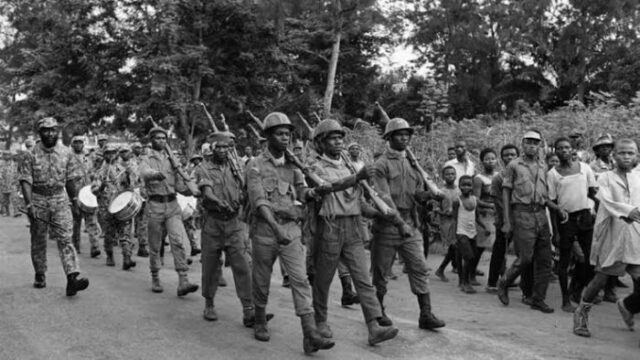
Ondo Community Still Bears Scars Of Biafra-Nigeria Civil War, 54 Years Later — No Water, No Schools, No Aid


More than half a century after the Nigeria-Biafra civil war ended, residents of Foriku-Boridele, a small community in Ondo State near Ore, say they are still trapped in the aftermath of the conflict, with no basic infrastructure, lingering danger, and no government aid.

The Nigeria-Biafra war, which began on July 6, 1967, and ended on January 15, 1970, left deep scars across the country.

Foriku, once a battleground between federal troops and Biafran forces, has yet to recover.

According to a report by BBC Pidgin, old military hardware is still scattered across the farmland, while locals say the soil remains unsafe for farming due to war-era contamination.

Some residents say unexploded devices and dangerous chemicals still appear when they dig.

Odukoya Akinmeje, who now leads the Foriku community, recalled his experience as a child when the war reached their village.

“They said it was over, so we came back, but within a week, the soldiers had returned,” he said, remembering the renewed violence as troops marched through the roads near their homes.

Johnson Danjuma, a resident whose family settled in the area before the war, shared that the land, once thought to be rich and productive, has instead become difficult and dangerous.

He described how families fled into the bush to survive.

“Even pregnant women were forced to deliver without shelter,” he said.

The lack of clean water and sanitation continues to haunt the community. Gbenga Adeyemi, a local youth leader, told BBC Pidgin that after the war, some young people died after consuming water contaminated by chemicals left behind.

“The land remains damaged and there’s been little to no support from government authorities,” he lamented.

Foriku’s struggles extend beyond environmental concerns.

The community lacks basic infrastructure, there are no schools, no medical facilities, and no reliable sources of drinking water.

Elizabeth Iwam, who was raised in Foriku, told BBC Pidgin how she used to walk long distances to attend school, a challenge that eventually forced her to drop out.

“Children now face the same challenges we did, coupled with the fear that memories of war still instil,” she said.

Residents say they feel forgotten by the very nation they remained loyal to during the war.

Many believe the federal and state governments have abandoned them, even as they continue to deal with the emotional and physical damage inflicted more than five decades ago.

Despite the passage of time, Foriku remains a stark reminder of a war that ended on paper but never truly ended in their lives.

Google search engine

MOST COMMENTED

- Advertisement -
Google search engine