Home Blog Page 652

Tinubu’s Emergency Rule In Rivers ‘Unconstitutional, Reckless’ – Peter Obi
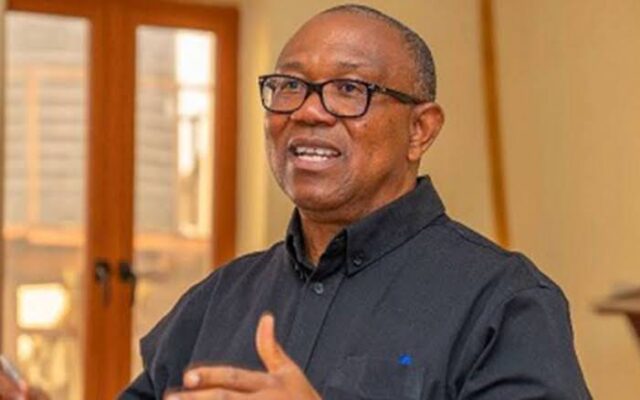
Presidential candidate of the Labour Party in the 2023 election, Peter Obi, has strongly criticized President Bola Ahmed Tinubu’s declaration of a state of emergency in Rivers State.

In a post on his X (formerly Twitter) handle, Obi described the President’s decision as unconstitutional and reckless.

“The unilateral decision of President Bola Tinubu to remove Governor Siminalayi Fubara of Rivers State from office is not only unconstitutional but also reckless.

“It has plunged us back into a state of lawlessness, hugely undoing the progress we have made in these 26 years of democratic journey.

“By disregarding the rule of law, the President has shown a dangerous willingness to trample on democracy.”

Obi argued that the political crisis in Rivers State does not justify such an extreme measure and accused Tinubu of misinterpreting Section 305(1) of the 1999 Constitution for political purposes.

“The declaration of a state of emergency in Rivers State is not just reckless—it is a clear attempt to return us to a state of nature and tighten its grip on power at all costs.

“It is a degrading backdoor imposition of martial rule on a strategic part of the federation with all the implied negatives.

“The political situation on the ground in Rivers does not justify such an extreme measure, and it is also a biased interpretation of Section 305(1) of the 1999 Constitution.

“A state of emergency does not mean an elected Governor can be removed unilaterally. This decision does not align with democratic norms or good governance. Instead, it appears to be a predetermined action serving specific interests rather than the collective good of the people of Rivers State and Nigeria.”

The former Anambra governor warned that the decision threatens the country’s democracy, the rule of law, and the separation of powers.

“This action constitutes an unconstitutional overreach, setting a dangerous precedent that threatens democracy, the rule of law, and the separation of powers. If left unchecked, it could foster a culture of impunity.

“Having already been grappling with non-adherence to electoral qualifications, rules, and massive rigging, adding arbitrary removal of elected officials will push us to a state of nature and anarchy.”

Obi called on the National Assembly and other stakeholders to reject the move, warning that it could deepen the culture of impunity already threatening Nigeria’s democracy.

Following the prolonged political crisis in Rivers State, President Tinubu, in a nationwide broadcast on Tuesday, declared a state of emergency in the state.

He suspended Governor Siminalayi Fubara, his deputy Ngozi Odu, and all members of the House of Assembly for six months.

The President also appointed Vice Admiral Ibok-Ete Ibas (rtd) as the Sole Administrator to oversee the state’s affairs during the emergency period.

Atiku Abubakar, the Peoples Democratic Party (PDP) presidential candidate in the 2023 election, described it as a political manipulation.

The PDP and the PDP Governors Forum have also rejected the move, joining the growing opposition to what they see as an unconstitutional power grab.

Google search engine

Rivers Assembly Backs State Of Emergency, Blames Fubara For Crisis

The Rivers State House of Assembly has thrown its support behind the Sole Administrator appointed by President Bola Ahmed Tinubu following the declaration of a state of emergency in the state.

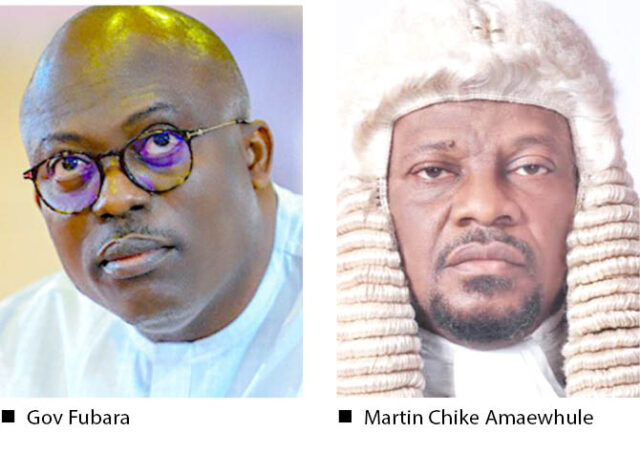
The lawmakers, in a statement issued by Speaker Martin Amaewhule, attributed the development to Governor Siminalayi Fubara’s alleged disregard for constitutional governance, court rulings, and the legislative arm of government.

Amaewhule stated: “On behalf of members of the Rivers State House of Assembly, I write to draw your attention to the declaration of a state of emergency by the President and Commander-in-Chief of the Federal Republic of Nigeria in line with the Constitution of the Federal Republic of Nigeria, 1999 (as amended).

“The condition of our dear Rivers State today is mainly because of the malfeasance of the Governor, who serially disobeyed judgments and orders of courts, failed to govern the state in line with his oath of office and the Constitution.

“The Governor’s despotic and tyrannical actions, as confirmed by the courts, in which he also unconstitutionally obstructed the Rivers State House of Assembly—an arm of government—from functioning, underlie this situation.”

The Speaker emphasized that while the lawmakers had not wished for this outcome, they believed the President acted in the best interest of the country.

“As an Assembly, we assure you all, our constituents, that we would abide by this declaration even though it is not what we prayed for. Mr. President has acted in the best interest of the country; therefore, we call on you all to remain calm as the Sole Administrator appointed by the President assumes his duty in the best interest of our state and nation.”

“Rest assured that we would give any kind of support required of the Rivers State House of Assembly to the Sole Administrator in the best interest of our dear state.

“Once again, we thank you all for your continued support, prayers, and understanding. We expect that you will all give the Sole Administrator the needed support to steer the ship of state during this period of emergency.”

The declaration of a state of emergency in Rivers State has sparked nationwide debate, with critics arguing that the President lacks the constitutional authority to remove elected officials.

The Nigerian Bar Association (NBA) has opposed the move, describing it as an unconstitutional overreach of executive power.

Google search engine

What Tinubu Said When Jonathan Declared A State Of Emergency In 2013

President Bola Ahmed Tinubu has declared a state of emergency in Rivers State, citing the prolonged political crisis that has resisted previous efforts at resolution.

In a nationwide broadcast, Tinubu stated that no responsible leader could stand by while instability persists, emphasizing that drastic measures were necessary to restore governance, peace, and security in the state.

The President explained that multiple attempts at conflict resolution had failed due to the intransigence of key political actors.

As a result, he invoked Section 305 of the 1999 Constitution, making him the third Nigerian leader to take such a step since the country’s return to democracy.

Former President Olusegun Obasanjo had previously imposed emergency rule in Plateau (2004) and Ekiti (2006), while ex-President Goodluck Jonathan declared it in Adamawa, Yobe, and Borno States in 2013 amid escalating insurgency.

However, Tinubu’s decision has drawn attention to his previous opposition to similar declarations in the past.

As the National Leader of the defunct Action Congress of Nigeria (ACN), he strongly criticized Jonathan’s 2013 state of emergency, calling it a “dangerous trend” in governance.

At the time, Tinubu argued that emergency declarations often carried political undertones, risked alienating citizens, and could fuel radical ideologies rather than resolving conflicts.

He also accused the federal government of using security crises as an excuse to undermine state governments instead of fostering meaningful collaboration.

His stance then was that military intervention should be a last resort and that political crises should be resolved through dialogue, institutional reforms, and improved governance.

Now, as President, Tinubu’s decision to impose emergency rule in Rivers State marks a stark departure from his previous position.

While he has justified the move as a constitutional necessity, political observers question whether his administration is setting a precedent that contradicts his past advocacy for democratic governance and state autonomy.

Rivers State, located in the Niger Delta, is one of Nigeria’s most economically significant states due to its vast oil and gas reserves.

Port Harcourt, the state capital, serves as a key industrial and commercial hub, earning the state its nickname, “Treasure Base of the Nation.”

Despite its economic strength, Rivers has a history of intense political struggles, often exacerbated by high-stakes control over oil revenues and governance.

Following the declaration of emergency rule, President Tinubu appointed Vice Admiral Ibok-Ete Ekwe Ibas as the Sole Administrator of Rivers State on March 18, 2025.

Ibas, a retired naval officer from Cross River State, has had a distinguished career in national security and diplomacy.

His appointment signals Tinubu’s preference for a military approach in stabilizing the crisis, further raising questions about the long-term impact of this intervention on democratic governance in the state.

With Rivers State now under emergency rule, all eyes will be on the National Assembly, which is constitutionally required to approve the proclamation within days.

Google search engine

FULL LIST: Nigerian Governors Impeached Since 1999 And Circumstances Surrounding Their Removal


Impeachment remains a powerful constitutional tool in Nigeria’s democracy, often used to remove governors accused of corruption, mismanagement, or political disloyalty.

Before President Bola Ahmed Tinubu declared a state of emergency in Rivers State and suspended Governor Siminalayi Fubara, his deputy Ngozi Nma Odu, and members of the state’s House of Assembly, there had been ongoing moves to impeach Fubara.

Had the impeachment been successful, Fubara would have joined a list of Nigerian governors who were removed from office in the Fourth Republic through impeachment.

Below is a comprehensive list of governors who have been impeached since 1999 and the reasons behind their removal.

1. Diepreye Alamieyeseigha (Bayelsa State, 2005)

Diepreye Alamieyeseigha was the first civilian governor of Bayelsa State when Nigeria returned to democracy in 1999.

After securing re-election in 2003, he was impeached in 2005 on charges of corruption, including money laundering, abuse of office, and theft of public funds.

Two years later, he pleaded guilty to six charges in court and was sentenced to prison.

2. Rashidi Ladoja (Oyo State, 2006)

Rashidi Ladoja served as governor of Oyo State from 2003 until his impeachment in January 2006. The state’s lawmakers removed him from office, citing political differences.

Christopher Alao-Akala was sworn in as his replacement.

However, in December 2006, the court reinstated Ladoja as governor, ruling that his removal was unconstitutional. He remained in office until 2007.

Ladoja later stated that his impeachment was politically motivated because he opposed former President Olusegun Obasanjo’s third-term bid.

3. Ayo Fayose (Ekiti State, 2006)

Elected in 2003, Ayo Fayose’s tenure as governor of Ekiti State ended in 2006 when he and his deputy, Biodun Olujimi, were impeached over allegations of financial mismanagement and corruption.

The impeachment was supported by 24 out of 26 lawmakers in the state’s House of Assembly.

Fayose was accused of mismanaging funds, particularly in relation to the Ekiti State Poultry Project.

Following his removal, Friday Aderemi was sworn in as governor.

However, the Supreme Court later ruled that Fayose’s impeachment was illegal, and then-President Olusegun Obasanjo described the process as unconstitutional.

4. Peter Obi (Anambra State, 2006)

Before emerging as the Labour Party’s presidential candidate in 2023, Peter Obi served as governor of Anambra State.

His first tenure was cut short in 2006 when lawmakers impeached him after just six months in office.

Obi claimed he was impeached for refusing to inflate the state’s budget and for maintaining a high level of accountability in governance.

He challenged his impeachment in court, and the Court of Appeal ruled in his favor, reinstating him on February 9, 2007.

5. Joshua Dariye (Plateau State, 2006)

Joshua Dariye faced impeachment attempts from Plateau State lawmakers in October 2006, with eight out of 24 assembly members initiating the process.

He challenged their actions, arguing that they did not form the necessary quorum.

Dariye was accused of money laundering and was eventually impeached in November 2006.

His deputy, Michael Botmang, was sworn in as governor. However, the Supreme Court later nullified his impeachment.

After his tenure ended in May 2007, the Economic and Financial Crimes Commission (EFCC) accused him of diverting N1 billion meant for the state’s ecological funds.

6. Murtala Nyako (Adamawa State, 2014)

In 2014, Murtala Nyako was impeached as the governor of Adamawa State over allegations of misappropriating N17 billion, illegally deducting workers’ salaries, and mismanaging local government funds.

Both Nyako and his deputy, Bala Ngilari, were served impeachment notices in June 2014.

By July, Nyako was removed from office, and Ahmadu Umaru Fintiri, who was the Speaker of the House of Assembly at the time, was sworn in as acting governor.


Google search engine

Enugu Council Boss, Hon. Ogbodo Inaugurates Committee To Investigate Acquisition, Allocation Of Lands


The Chairman of Nkanu West Local Government Area of Enugu state, Hon. John Ogbodo, has inaugurated a five-member committee to investigate all activities related to the acquisition and allocation of Local Government land in Agbani, commonly referred to as the “Stadium Land.”

The committee is chaired by Prof. Osita Ogbu Nnamani, with Onochie Igwesi serving as the secretary.

Other members include Barr. Friday Ani, Engr. Obichukwu Chime, and Mr. Joel Edeaniagu.

The committee’s mandate is to review all transactions concerning the acquisition and allocation of land from 2022 to 2024 and to determine whether due process was followed in these transactions.

Hon. Ogbodo directed the committee to submit its findings within one month and urged its members to conduct a thorough, transparent, and credible investigation to ensure a reliable and well-documented report.

He emphasized the importance of accountability in land administration and reaffirmed his commitment to ensuring that all government-owned land in Nkanu West is properly managed for the benefit of the people.

Google search engine

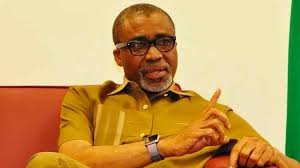
NASS Has To Approve Tinubu’s State Of Emergency In Rivers – Abaribe


Former Minority Leader of the Senate, Senator Enyinnaya Abaribe of the All Progressives Grand Alliance (APGA), representing Abia South, has emphasized that the National Assembly must approve any state of emergency declared in Rivers State by President Bola Tinubu, as required by the Constitution.

Speaking during an interview on Arise Television on Tuesday, Abaribe was asked about the role of the National Assembly in the process.

He responded, “Well, I think the Constitution says very clearly that the National Assembly will have to approve it. And then, of course, if there’s any other regulation that needs to be made or anything else in line with the Constitution, that is what we will have to address in the National Assembly.”

When asked to explain the procedure, he said, “Well, the process will be that tomorrow, the Senate President and the Speaker will read the political commission and words.”

Addressing whether the process would require a joint sitting of both legislative chambers, Abaribe clarified, “I don’t think so. Joint sittings are usually held only when we have to receive the budget. So, I think the deliberations will take place separately, and we will see what happens. Eventually, we must reach a consensus. No one wants a situation where there is anarchy in the country. Nobody wants that.”

Reflecting on the situation, Abaribe admitted that he did not anticipate such a move. “I didn’t see it coming. I thought there was still a window to fix things—a window for a political settlement. But well, it has happened. We have to deal with it.”

Google search engine

It’s Shocking Tinubu Sacked Fubara And Left Wike – Rivers Govt


The Rivers State Government has expressed shock over President Bola Tinubu’s decision to remove Governor Siminalayi Fubara while allowing Minister of the Federal Capital Territory (FCT), Nyesom Wike, to remain in office, despite allegations that he has been the key figure behind the state’s political crisis.

In a statement issued by the Rivers State Commissioner for Information and Communications, Warisenibo Joe Johnson, the government described the decision as unjust, stressing that Governor Fubara has remained committed to constitutional order, peace, and good governance despite the political turbulence in the state.

Johnson noted that since assuming office, Fubara has prioritized the protection of lives and property while ensuring the continuous development of Rivers State.

He emphasized that, even amid political instability, the governor upheld his constitutional responsibilities, always putting the interests of the people above personal or political considerations.

Following President Tinubu’s intervention in the crisis, the Rivers State Government implemented the agreed terms in good faith, including reinstating commissioners who had previously resigned.

Additionally, Johnson pointed out that the government promptly complied with the Supreme Court’s ruling upon receiving the certified true copy of the judgment, reinforcing its commitment to legal and democratic principles.

Despite these efforts, the commissioner lamented that lawmakers loyal to Wike, the immediate past governor of the state, have continued to obstruct peace and stability.

Expressing his disbelief at the turn of events, he stated, “It is shocking that Mr. President sacked the governor and left his minister, who is the principal actor.”

Reassuring the people of Rivers State, Johnson emphasized that governance remains effective despite the ongoing political crisis.

He confirmed that salaries have been paid, developmental projects are progressing, and the state remains secure.

At this critical time, the government urged Rivers residents to remain peaceful and law-abiding while reaffirming its commitment to working with relevant institutions to uphold democracy and ensure the state’s continued growth.

“We have always been a resilient people, and we will face this situation with wisdom, patience, and unwavering faith in the democratic process,” Johnson added.

The Rivers State Government reiterated its commitment to prioritizing the well-being and prosperity of its people as it navigates the evolving political situation.

Google search engine

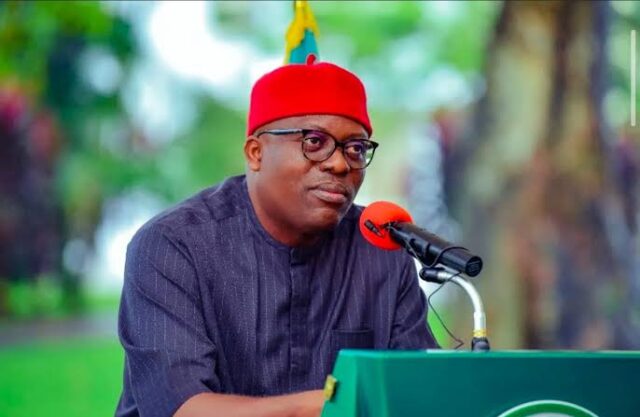
Full Speech: Governor Fubara Reacts To His Suspension From Office, State Of Emergency In Rivers


Rivers State Governor, Siminalayi Fubara, has responded to the declaration of a state of emergency in Rivers State, emphasizing that despite political disagreements, governance in the state remains uninterrupted.

He assured residents that salaries are being paid, development projects are ongoing, and the state remains peaceful and secure under his leadership.

Apparently addressing concerns over the necessity of the emergency declaration, the governor urged citizens to remain law-abiding while affirming his commitment to engaging relevant institutions to uphold democracy and ensure the state’s continued progress.

In a statement personally signed by him, Fubara highlighted the resilience of Rivers people and expressed confidence in their ability to navigate the situation with patience, wisdom, and faith in democratic processes.

He reiterated that his administration prioritizes security and the well-being of the people.

Press statement by suspended Governor Siminalayi Fubara on the state of emergency declared in Rivers State:

“My dear Rivers People,

I address you today with a deep sense of responsibility and calm, as we navigate this unfortunate moment in our state’s political history.

Since assuming office as your Governor, all my actions and decisions have been guided by my constitutional oath of office and a great sense of duty.

We prioritized the protection of lives and property and ensured the continuous progress of our dear State.

Even in the face of the political impasse, we have remained committed to constitutional order and the rule of law, putting the interest of our people above all else.

This was why, immediately after Mr. President’s intervention to broker peace, we did not hesitate to implement the agreed terms in good faith, including welcoming back commissioners who had previously resigned on their own volition.

Furthermore, we moved swiftly to comply with the Supreme Court’s judgement immediately we received the certified true copy of the judgement to return the state to normalcy.

These steps were taken not for personal gains but to foster peace, unity and stability in our dear State.

Unfortunately, at every turn, members of the Rivers State House of Assembly frustrated our efforts, thus making genuine peace and progress difficult.

Our priorities remained the security of lives and property and advancing the well-being and prosperity of Rivers people.

Yes, we have political disagreements, but good governance had continued, salaries have been paid, and great projects were being executed to move the State forward. Above all, Rivers State is safe, secure and peaceful under our watch.

At this critical time, I urge all Rivers people to remain peaceful and law-abiding. We will engage with all relevant institutions to ensure that our democracy remains strong and that Rivers State continues to thrive.

We have always been a resilient people, and we will face this situation with wisdom, patience, and unwavering faith in the democratic process.

God bless Rivers State. God bless the Federal Republic of Nigeria.

Sir Siminalayi Fubara, GSSRS”

Google search engine

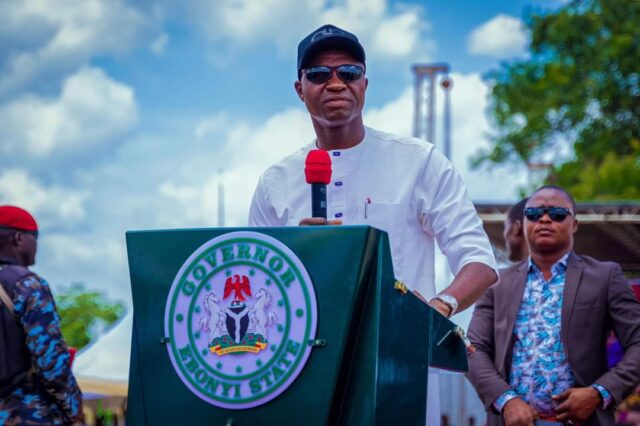
Governor Nwifuru Suspends Three Ebonyi Commissioners


Governor Francis Nwifuru of Ebonyi State has suspended three commissioners for a month due to their failure to attend the State Executive Council meeting without prior approval.

The affected commissioners are Solomon Azi (Grants and Donor Agencies), Victor Chukwu (Environment), and Ikeuwa Omebe (Rural Development).

Announcing the decision after the council meeting on Tuesday, Commissioner for Information and State Orientation, Jude Okpor, stated that the suspension serves as a warning against negligence and lack of commitment among public officials.

He further noted that during the suspension period, the commissioners would forfeit all privileges attached to their offices.

In a related directive, Governor Nwifuru instructed contractors handling government projects across the state to speed up their work in line with contractual agreements, warning that the government would take legal action against any contractor who fails to comply.

Google search engine

Two PDP Rep Members Dump Party, Join APC


Two members of the House of Representatives have resigned from the Peoples Democratic Party (PDP) and joined the All Progressives Congress (APC).

The lawmakers, Adamu Tanko of Suleja, Gurara, and Tafa Federal Constituency in Niger State, and Jallo Husseini Mohammed of Igabi Federal Constituency in Kaduna State, formally announced their defection through a letter read on the House floor by Speaker Dr. Tajudeen Abbas.

In their letter, the lawmakers attributed their decision to internal crises within the PDP, stating that their political beliefs now align more with the APC.

Their defection adds to the growing number of lawmakers who have switched parties in the 10th House of Representatives, with over ten members leaving their original platforms to join the ruling APC since the House was inaugurated.

Google search engine

MOST COMMENTED

- Advertisement -
Google search engine