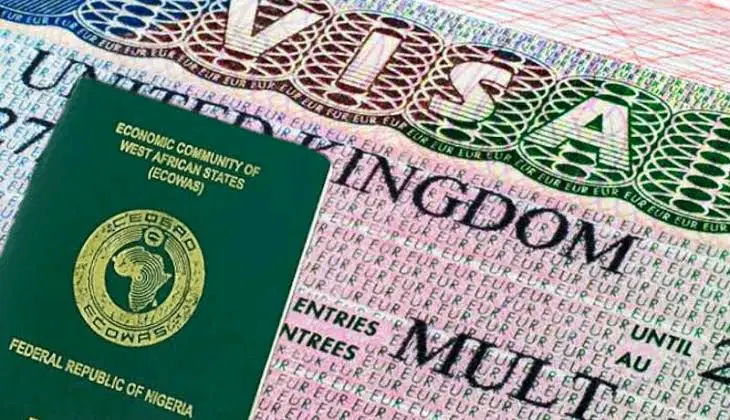

The British High Commission in Nigeria has debunked widespread reports suggesting that new UK visa restrictions are being introduced specifically for Nigerian nationals, clarifying that no such changes have been made.
This clarification comes in response to a report by The Times, which alleged that the UK government was planning stricter visa rules targeting three countries, Nigeria, Pakistan, and Sri Lanka.
The report had suggested that citizens from these nations were more likely to overstay their visas and later seek asylum, with some asylum claims resulting in permanent residency.
It further quoted a spokesperson from the UK Home Office as saying: “Our upcoming Immigration White Paper will set out a comprehensive plan to restore order to our broken immigration system.”
“To tackle abuse by foreign nationals who arrive on work and study visas and go on to claim asylum, we are building intelligence on the profile of these individuals to identify them earlier and faster,” the spokesperson added.
“We keep the visa system under constant review and where we detect trends, which may undermine our immigration rules, we will not hesitate to take action.”
“Under our plan for change, our upcoming Immigration White Paper will set out a comprehensive plan to restore order to our broken immigration system.’’
In swift response to these reports, the British High Commission in Nigeria issued a statement reassuring Nigerians that no new visa restrictions were being imposed on them.
It emphasized that the UK’s immigration system is routinely assessed to ensure it supports legal migration and travel.
“We keep our immigration system under constant review to allow legal migration and legitimate travel, while deterring those who may seek to abuse it,” a spokesperson for the High Commission said.
The Commission also underlined the strength of bilateral ties and cooperation between both countries on migration matters.
“Our UK and Nigeria people to people links are strong and enduring, and we continue to work closely with the Government of Nigeria to tackle irregular migration,” the statement added.