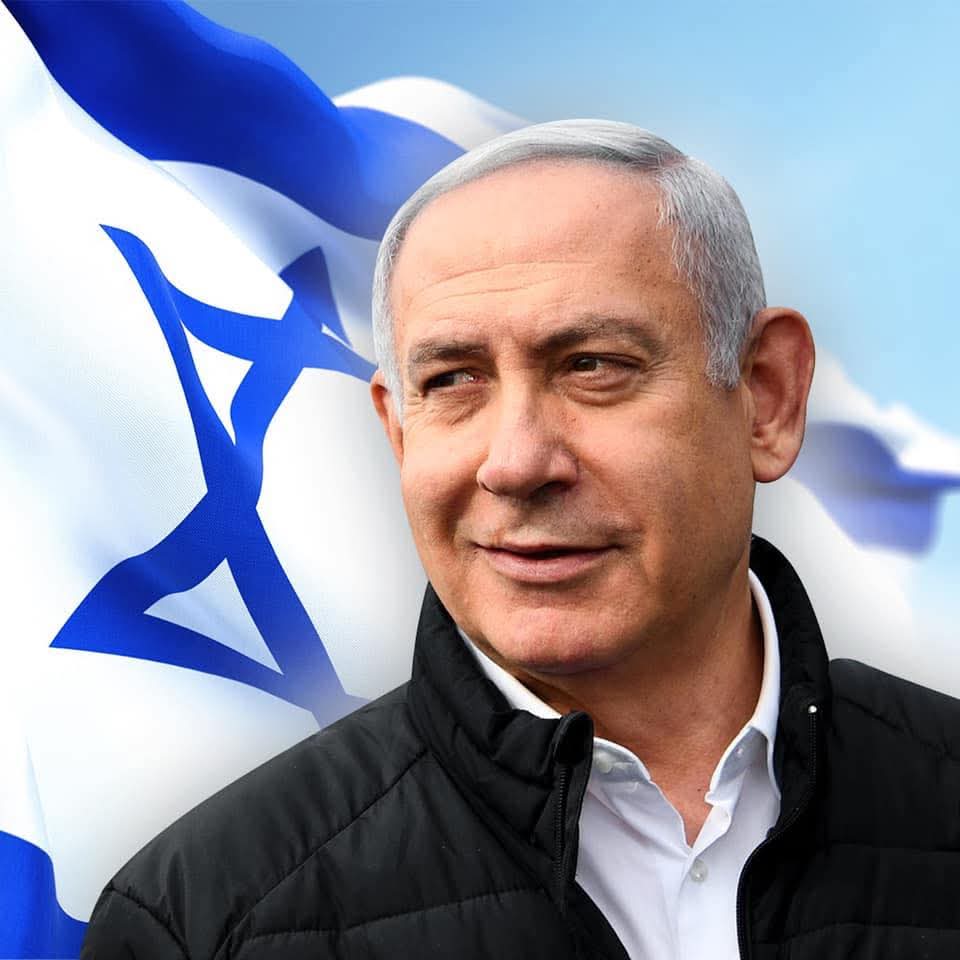

Israeli Prime Minister Benjamin Netanyahu’s push to expand military operations into Gaza City has triggered a political and diplomatic firestorm, not only deepening divides within Israeli society but also straining its historically strong alliances abroad.
Following a ten-hour security cabinet meeting, the Israeli government approved what is being called a “takeover” of Gaza City, a move many see as a prelude to a full reoccupation of the Gaza Strip.
Netanyahu insists the aim is to dismantle Hamas once and for all.
But critics, including military officials, families of hostages, opposition politicians and international leaders are calling the plan dangerous, misguided, and morally untenable.
The statement released by Netanyahu’s office carefully avoided the word “occupation.” But on the ground, few see it as anything else.
With an estimated 800,000 Palestinians still residing in and around Gaza City, many of whom have already been displaced multiple times, a full-scale military operation would require forced evacuations and the mass mobilisation of reservists, some of whom have served multiple tours in Gaza over the past two years.
The Israeli army’s Chief of Staff, Lt Gen Eyal Zamir is among those sounding the alarm.
According to leaked reports, Zamir warned Netanyahu that a full takeover of Gaza would be “tantamount to walking into a trap,” not only endangering soldiers but also putting the lives of the remaining hostages at risk.
That sentiment is shared by many families of the hostages.
“This is a death sentence for our loved ones,” said Yehuda Cohen, whose son Nimrod has been held in Gaza since Hamas’s October 7 attack.
“Netanyahu is making them collateral damage in a political game.”
Even the Maariv newspaper which typically aligned with centrist-nationalist views, warned that “the prevailing assessment is that most and possibly all of the living hostages will die” if the Gaza City offensive proceeds.
Internationally, Netanyahu’s plan has further isolated Israel diplomatically.
Germany, long one of Israel’s staunchest allies, announced it will halt all arms exports to Israel that could be used in Gaza.
Chancellor Friedrich Merz said the decision was “painful but necessary,” citing legal and humanitarian concerns.
“We will not support actions that result in mass displacement and indiscriminate violence,” he stated.
UK Prime Minister, Keir Starmer called the escalation “wrong,” warning it would “only bring more bloodshed” and urging Israel to reconsider.
Similar condemnation came from the United Nations, China, Denmark and Australia.
Even the U.S now under President Donald Trump, has remained conspicuously quiet.
NBC News recently reported a heated phone call between Trump and Netanyahu, during which Trump allegedly shouted at the Israeli leader for downplaying the humanitarian catastrophe in Gaza.
Yet no formal objection has been made, leaving many to interpret silence as tacit approval.