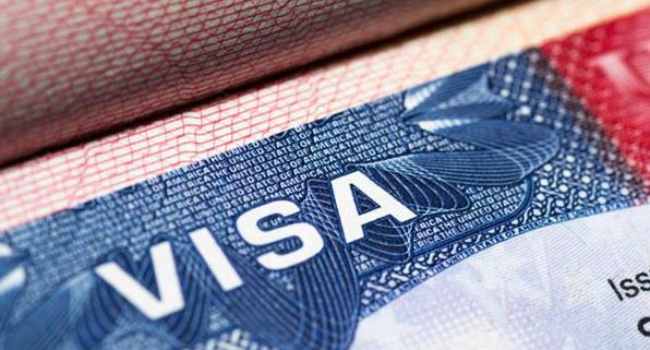

The United States has issued a stern warning to Nigerian visa applicants, stating that failure to disclose social media activity from the past five years may lead to visa denial and future ineligibility.
In an official update shared on Monday via X (formerly Twitter), the US Mission in Nigeria emphasized that all visa applicants must list usernames or handles used on any social media platform in the last five years when completing the DS-160 non-immigrant visa application form.
“Omitting social media information could lead to visa denial and ineligibility for future visas,” the statement read.
Applicants are also required to confirm the accuracy of their responses before submitting the form, making honesty a critical component of the process.
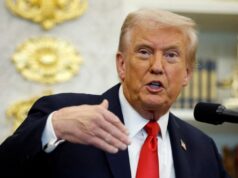
This move is the latest in a series of stricter immigration policies rolled out under the second-term administration of President Donald Trump, which began in January 2025.
Last month, the US Mission began reviewing social media activity specifically for Nigerian applicants seeking F, M, and J student or exchange visas. Monday’s directive extends the scrutiny to all categories of Nigerian visa applicants.
In addition, from July 2025, the US restricted non-immigrant and non-diplomatic visas for Nigerians to a single entry and a validity period of just three months, a policy rooted in Trump’s broader reciprocal visa strategy.
The Trump administration has prioritized large-scale immigration enforcement, with raids across American cities leading to mass deportations of undocumented immigrants from various countries, including Nigeria.
Despite these measures, the United States remains one of the most sought-after destinations for Nigerian youth and professionals.
As of 2015, there were over 376,000 Nigerian immigrants living in the US, making Nigeria the largest source of African immigrants to the country.
Nigerians in the diaspora contributed over $20 billion to Nigeria’s economy in 2023, according to the World Bank.
The stricter migration policies have sparked mixed reactions. While some Americans support the new measures for security reasons, others criticize them as excessive and discriminatory.
In response to earlier pressure from Washington, Nigeria’s federal government declared in July that it would not accept deported Venezuelans being rerouted through Nigerian territory, a move highlighting growing diplomatic tension between the two countries.