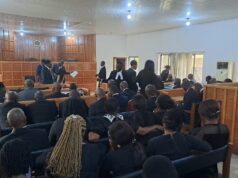
At its inaugural conference held in Umuahia, Abia State, dialogue-driven group Igwebuike Alaigbo called on the Federal Government to release IPOB leader Mazi Nnamdi Kanu, framing it as a pivotal step toward restoring trust and peace in the South-East.
The three-day event at Bishop Anthony Nwedo Pastoral Centre brought together stakeholders from all major Igbo-speaking states, as well as parts of Delta and Rivers to draft a 10-point communiqué.
The document, signed by Archbishop Isaac Nwobia and other leaders, argued that Kanu’s continued detention is aggravating insecurity and deepening regional distrust, and that his release would jump-start national cohesion and renew faith in federal governance.
Among other important recommendations, the group proposed the establishment of indigenous vigilante groups to enhance community policing, and urged traditional rulers to demonstrate unwavering commitment to their people’s safety.
The gathering also tackled broader challenges: youth unemployment, the erosion of the Igbo language, and the urgent need to revive the traditional apprenticeship system (Igba‑Boi).
They called on Igbo leaders to prioritize cultural unity, preservation, and meaningful opportunities for young people.
Lolo Nneka Chimezie, President of the Igbo Women Assembly (IWA), highlighted widespread feelings of marginalisation fueling calls for self-determination and appealed to state governors to enable women’s empowerment, especially in mechanized farming, citing their potential to feed the region if adequately supported.
Representatives from Ohanaeze Ndigbo, Igbo Think Tank, and Indigenous Igbo Congress affirmed their dedication to unity, cultural revival, and regional safety.
Archbishop Nwobia summed up the movement’s purpose:
“This is not about opposition; it’s about synergy and development. Without security, our businesses can’t grow. The government must first secure our land and ensure energy supply before meaningful progress can occur.”