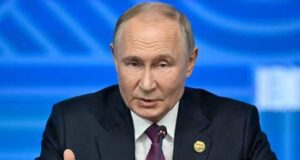

Nepal’s Prime Minister, K.P. Sharma Oli, has resigned following the country’s most intense civil unrest in decades.
The protests, largely led by young people angry over corruption and government censorship, turned violent after security forces clashed with demonstrators, resulting in at least 19 deaths on Monday.
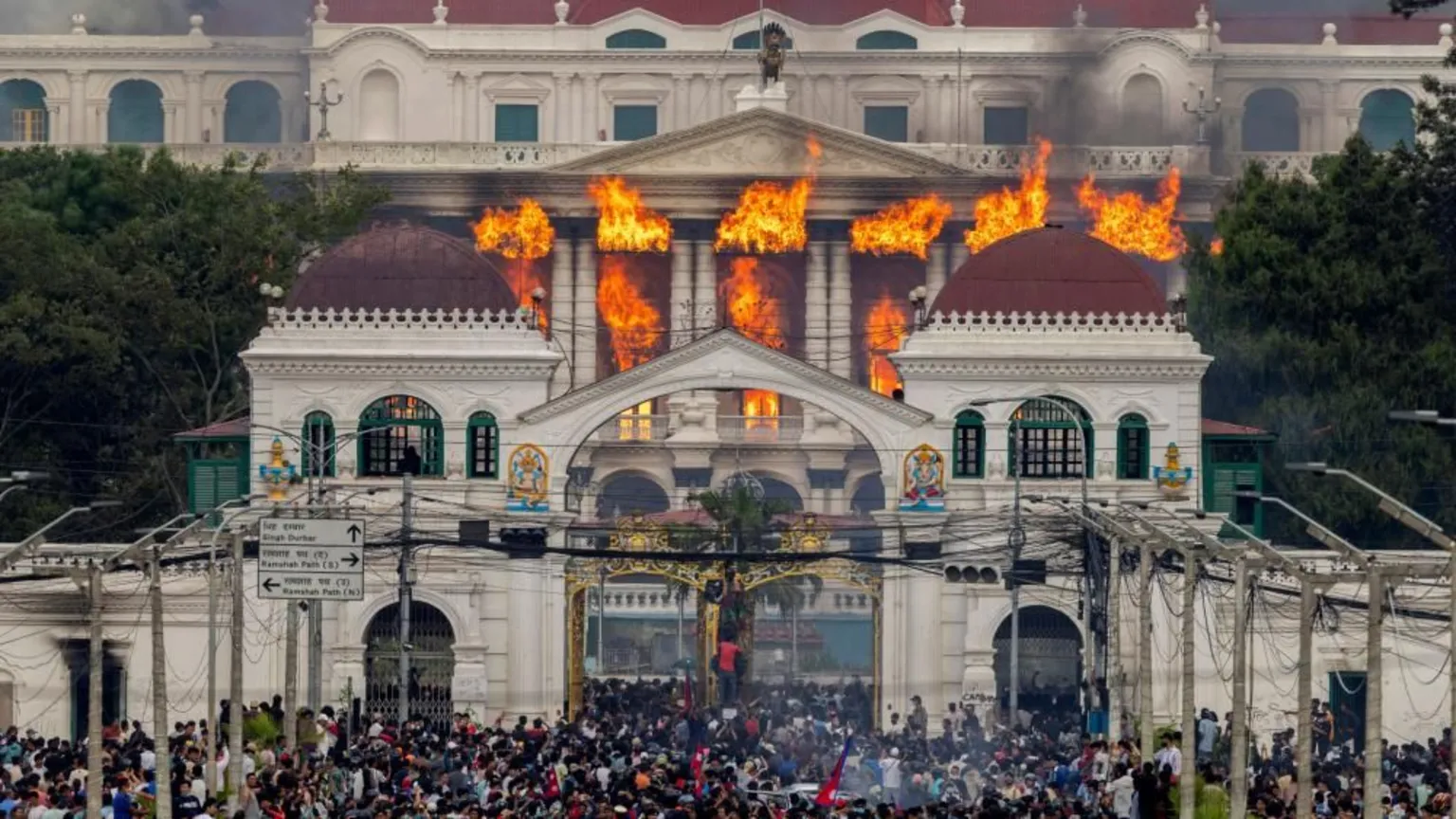
On Tuesday, protestors stormed and set fire to Nepal’s parliament building in Kathmandu, with thick black smoke rising from the Singha Durbar complex.
Several government offices and homes of political leaders, including the prime minister’s residence and the headquarters of the ruling Nepali Congress Party, were also attacked and burned.
The demonstrations began after the government banned 26 social media platforms, including Instagram and Facebook, in an effort to curb fake news and online fraud.
Although the ban was lifted late Monday, the protests had already escalated into a nationwide anti-corruption movement, with calls for accountability and leadership change.
In his resignation letter, Oli said he was stepping down “to facilitate the solution to the problem and to help resolve it politically in accordance with the constitution.”
President Ramchandra Paudel has accepted his resignation and initiated talks to find a new leader.
Meanwhile, law and order have continued to deteriorate.
On Tuesday, three more people reportedly died, and about 900 inmates escaped from two western prisons amid the chaos.
The army chief has warned that the military is prepared to intervene if the unrest continues.
Protesters, many of them in their teens and twenties, have expressed frustration over corruption, nepotism, and a lack of opportunities in the country.
The movement was fueled by a viral “nepo kid” campaign on social media, which highlighted the lavish lifestyles of politicians’ children.