
Nepal has named Sushila Karki, the country’s first female Chief Justice, as its new Prime Minister following the resignation of KP Sharma Oli and days of deadly unrest across the nation.
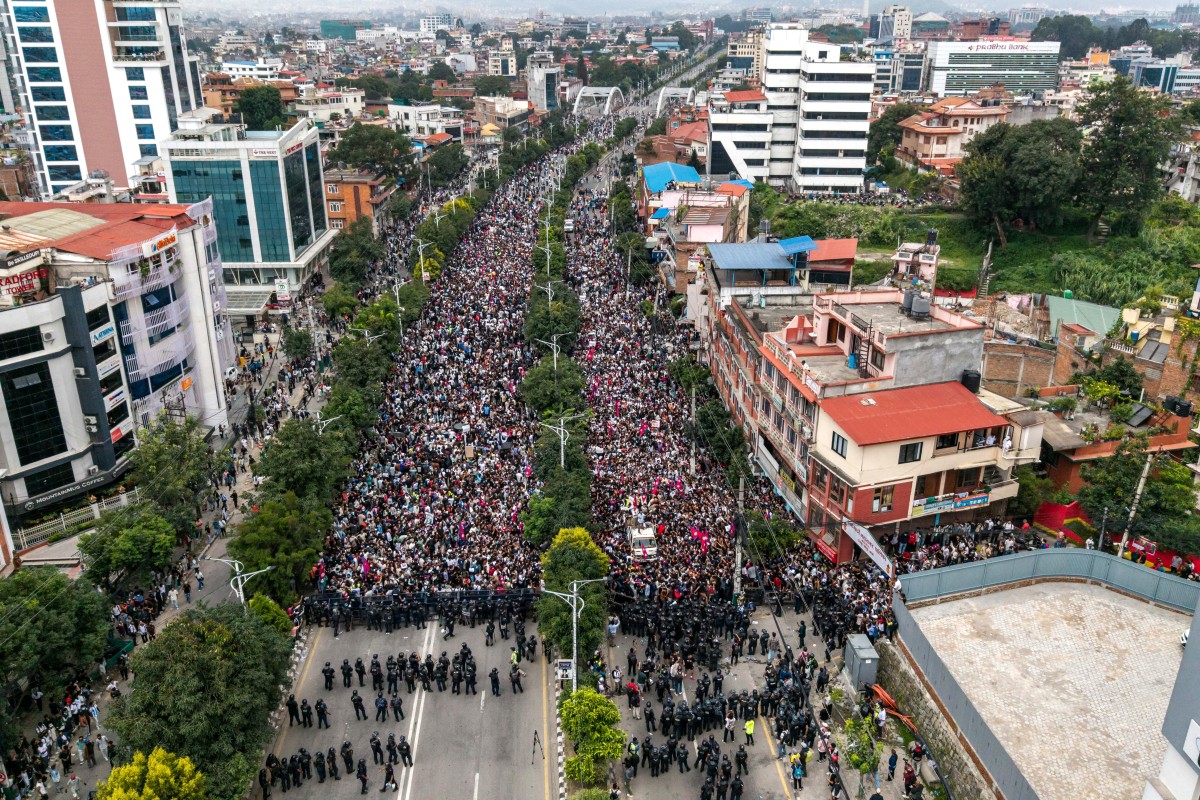
The decision comes after a wave of mass protests, led mostly by youth under the banner of the Gen Z movement, turned violent earlier this week.
The demonstrations, sparked by deepening public anger over corruption and a controversial ban on social media, escalated into the deadliest political violence since Nepal’s 2008 transition to democracy.
At least 51 people lost their lives in clashes with security forces, including 21 young protesters, while thousands took to the streets demanding government reform and accountability.
Following the chaos, President Ram Chandra Paudel confirmed on Friday that Karki, aged 73, will lead the country’s transitional government. Her swearing-in ceremony was scheduled for 9:00 pm local time.
“The President will appoint former chief justice Sushila Karki as prime minister,” presidential adviser Kiran Pokharel told AFP. “A new council of ministers will follow.”
Karki’s appointment was welcomed by the protest movement. Nimesh Shrestha, a Gen Z activist, told AFP that the youth leaders had reached an agreement with the army and political leadership.
“We support her leadership. Parliament will be dissolved. Karki will lead the transition,” he said.
The protests were fueled by frustration over long-standing issues such as poor governance, widespread youth unemployment, and low wages.
According to the World Bank, 20% of Nepalese aged 15–24 are unemployed, and GDP per capita remains low at $1,447.
The unrest reached its peak on Tuesday, when demonstrators set fire to parliament buildings, a Hilton Hotel, and other government offices.
Amid the chaos, more than 12,500 inmates escaped from various prisons. Many remain unaccounted for, police said.
“We’ve recovered over 100 looted firearms so far,” said Binod Ghimire, a police spokesperson.
The military regained control of the capital, Kathmandu, by Wednesday and imposed a city-wide curfew. Troops have continued patrolling for three days as citizens cautiously emerge to restock supplies.
“I was terrified. My family and I didn’t step outside for days,” said Naveen Kumar Das, a 45-year-old painter.
“We finally came out today to buy food,” said Laxmi Thapa, a 32-year-old resident who braved the streets on a motorbike.
Despite the tension, many protesters remain optimistic.
“We started this movement to build a better Nepal,” said James Karki, a 24-year-old demonstrator. “Now there’s hope.”