
The United Nations is set to reimpose sweeping sanctions on Iran starting late Saturday, following the collapse of recent nuclear negotiations with Western powers.
This will mark the first time in a decade that such broad UN measures will be enforced against Iran.
According to the UN nuclear watchdog, inspectors were recently allowed back into Iranian nuclear facilities.
However, Western countries concluded that not enough progress was made during high-level talks at the UN General Assembly to justify delaying sanctions.
European powers had initiated the “snapback” mechanism a month ago, accusing Iran of non-compliance with its nuclear obligations and retaliatory actions following military strikes by the US and Israel.
The sanctions will take effect at 0000 GMT on Sunday (8:00 pm Saturday in New York) and will include a global ban on cooperation with any individuals, companies or organizations linked to Iran’s nuclear or missile programs.
Iranian President Masoud Pezeshkian criticized the process, stating that there was no genuine intent to reach a fair deal.
He argued that the U.S and Israel were using pressure tactics to destabilize Iran.
“If the goal had been to resolve concerns about our nuclear program, we could have done that easily,” said Pezeshkian, reiterating that Iran has no intention of developing nuclear weapons.
During his meeting with French President Emmanuel Macron, France had proposed a one-month delay in sanctions if Iran surrendered its stockpile of highly enriched uranium, a proposal Pezeshkian rejected, calling it a “trap.”
He also accused U.S. envoy Steve Witkoff of not being serious in negotiations, blaming him for backtracking on prior agreements.
Russia and China attempted to delay the snapback until April during Friday’s UN Security Council meeting but failed to secure enough support.
Russia’s deputy UN ambassador Dmitry Polyansky declared that Moscow would not recognize the sanctions, calling them “null and void.”
While the U.S. already enforces its own strict sanctions against Iran, particularly targeting its oil exports, China has continued to buy Iranian oil despite American pressure.
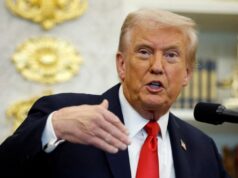
These latest UN measures revive sanctions that had been lifted under the 2015 nuclear deal, which the U.S exited under former President Donald Trump during his “maximum pressure” campaign.
The deal had previously curbed Iran’s nuclear activities in exchange for sanctions relief.
The International Crisis Group noted that while Iran has adapted to U.S sanctions over the years, this renewed global effort could further strain its economy, already suffering from inflation, currency issues, and deteriorating infrastructure.
In a fiery address at the UN, Israeli Prime Minister Benjamin Netanyahu backed immediate enforcement of the sanctions and hinted at further Israeli military action, referencing the June strikes that Iran says killed over 1,000 people.
Despite growing pressure, Pezeshkian confirmed that Iran will remain in the Nuclear Non-Proliferation Treaty, warning that unnamed forces were seeking a “superficial pretext to set the region ablaze.”