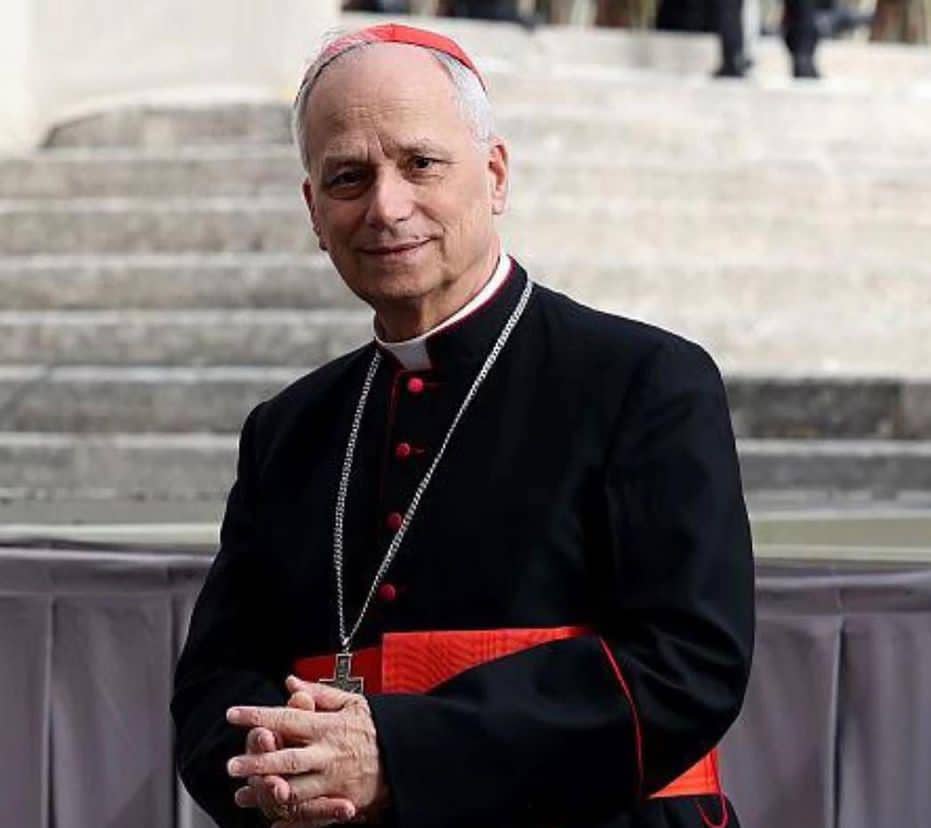

Pope Leo XIV has relaxed Vatican regulations on financial investments, undoing a key reform put in place by his predecessor, Pope Francis.
In a recent “Motu Proprio”, a formal legal directive, the new pope revoked Francis’s 2022 mandate that granted the Institute for Religious Works (IOR), commonly known as the Vatican Bank, sole authority over managing the Holy See’s financial and liquid assets.
Francis had introduced the reform in response to a series of financial controversies, including a problematic London property deal that cast a shadow over the Vatican’s finances.
The latest directive requires that all financial investments align with the Vatican’s investment policy.
It also states that the Administration of the Patrimony of the Apostolic See (APSA), the Vatican’s equivalent of a sovereign wealth fund, should generally utilize the Vatican Bank for managing assets.
However, there is now a notable exception allowing competent Vatican bodies to opt for financial intermediaries located outside the Vatican when deemed more efficient or convenient.
The Vatican has not explicitly explained the reason behind this policy reversal.
Yet, Pope Leo XIV has previously suggested that the Vatican’s financial situation is healthier than many assume.
In a recent interview featured in the book “Pope Leo XIV: Global Citizen, Missionary of the 21st Century,” he downplayed concerns about the Holy See’s liquidity.
“People have made many statements about the Vatican’s financial health, but the crisis is not as severe as portrayed,” he said.
He also acknowledged improvements over the past decade, crediting reforms initiated under Pope Francis.
Vatican expert Ed Condon, editor of the Catholic news outlet The Pillar, noted that Pope Leo’s move signals two things: first, that there is no immediate liquidity crisis in the Vatican, and second, that the pope trusts various Vatican departments to manage their own investment portfolios once again, returning to practices that existed prior to Francis’s reforms.