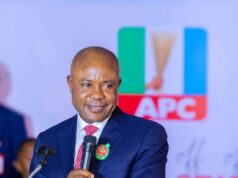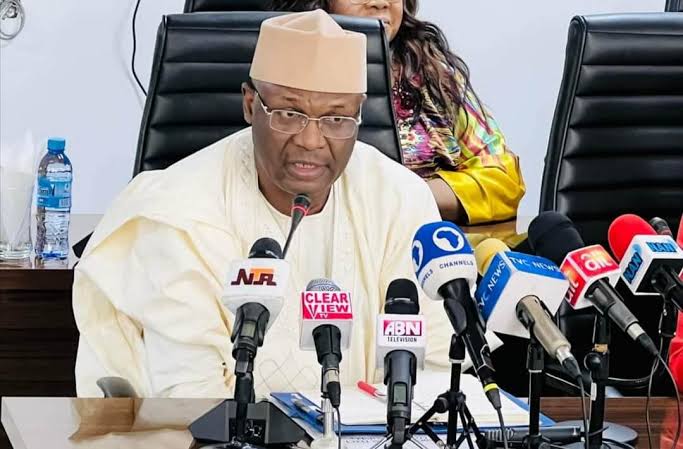

On October 7, 2025, Professor Mahmood Yakubu officially stepped down as Chairman of Nigeria’s Independent National Electoral Commission (INEC), ending a transformative and eventful 10-year tenure.
He leaves the commission in the hands of May Agbamuche-Mbu, a legal expert and senior commissioner, who assumes leadership in an acting capacity.
Yakubu made history as the first person to complete two consecutive full terms as INEC chair, overseeing major electoral milestones, including the 2019 and 2023 general elections.
Here are 10 defining moments from his tenure:
- A Landmark Second Term Reappointed in 2020 by then-President Muhammadu Buhari, Yakubu became the first INEC chair to serve back-to-back five-year terms, a feat unmatched in Nigeria’s electoral history.
- Tech-Driven Innovations: BVAS and IReV Yakubu’s era saw the rollout of major tech reforms, most notably the Bimodal Voter Accreditation System (BVAS) and the INEC Results Viewing Portal (IReV). First piloted in the 2021 Anambra election, these tools were fully implemented during the 2023 general elections, aiming to enhance credibility and transparency in vote accreditation and result dissemination.
- Year-Round Voter Registration INEC under Yakubu institutionalized continuous voter registration, allowing eligible Nigerians to register or update their information beyond traditional pre-election windows.
- Polling Units Expansion In a move to improve voter access, the number of polling units across Nigeria was significantly increased, addressing long-standing concerns over overcrowding and distance.
- Fixed Electoral Calendar Yakubu standardized the electoral timeline: federal elections held on the third Saturday of February, followed two weeks later by state-level polls. This scheduling helped stabilize the electoral process.
- Strengthened Stakeholder Collaboration His leadership emphasized transparency and inclusivity, engaging with political parties, civil society groups, international observers, and the media to build confidence in the system.
- Embracing Digitalization INEC adopted digital nomination portals, electronic accreditation platforms, and automated result transmission tools—part of a broader push to modernize electoral operations and reduce fraud.
- Real-Time Monitoring Systems The commission introduced an Election Monitoring and Support Centre, using data analytics and performance metrics to identify and address real-time issues on election days.
- Inclusive Voting Measures INEC under Yakubu prioritized accessibility—providing tools for persons with disabilities, ensuring early access for the elderly, and facilitating participation for internally displaced persons.
- Guarding Institutional Autonomy Despite external pressures, Yakubu maintained INEC’s independence, often reiterating the commission’s constitutional mandate and commitment to neutrality.
Yet, his leadership wasn’t without challenges. The 2023 elections were marred by technical glitches, particularly in result transmission.
Allegations of bias and partisanship surfaced frequently, while issues like delayed deployment of materials and security lapses in conflict-prone areas plagued some polls.
Critics also pointed to growing public distrust and voter apathy.
As May Agbamuche-Mbu assumes the reins, the task of restoring public confidence and building on Yakubu’s reforms remains a pressing priority for Nigeria’s electoral future.