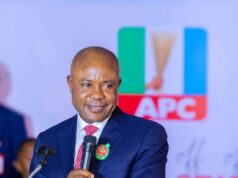

Former Anambra State governor and 2023 Labour Party presidential candidate, Mr. Peter Obi, has expressed concern over Nigeria’s ranking among the world’s most hunger-stricken nations, describing the situation as unjustifiable given the country’s abundant agricultural resources and potential.
Speaking on Thursday at the “Food Systems Changemakers’ Conference 2025” in Abuja, organised by Sahel Consulting Limited and its partners, Obi lamented that despite Nigeria’s vast arable land and human capital, millions of citizens continue to suffer from food insecurity.
“Food is a critical component of human existence, and for Nigeria to be listed among the hungriest nations despite our vast resources is very regrettable,” he said.
“We cannot discuss development if our people cannot afford a healthy meal. The agricultural sector remains critical to our future and economic sustainability.”
He stressed the need for greater innovation and investment in agribusiness, noting that Nigeria’s prosperity depends on its ability to harness agriculture as a foundation for inclusive growth.
“Nigeria must innovate to sustain its food systems to meet growing demand,” Obi added.
“We have no reason to be among the most hungry nations when we possess vast uncultivated land and millions of energetic youths who can be empowered to change things.”
Meanwhile, the Federal Government has reiterated its commitment to achieving a $1 trillion economy by 2030, with agriculture identified as a key driver of that goal.
The Minister of Budget and National Planning, Senator Abubakar Atiku Bagudu, disclosed this during the same conference, explaining that the government is reviewing the National Development Plan (2026–2030) to ensure that agriculture receives top priority.
“Mr. President has challenged us to generate a $1 trillion economy by 2030 in an inclusive manner that prioritises agriculture,” Bagudu said.
“Food systems are major drivers of that growth. We are mapping our economic and agricultural potentials across all local governments to build a solid foundation for this target.”
He added that sustainable food systems are central to national development, calling for stronger private sector participation in agricultural transformation.
“We are putting in place policies and programmes that will ensure those who participate in our economy are richly rewarded,” the minister stated.
Also speaking, Mrs. Ndidi Nwuneli, Chief Executive Officer of the ONE Campaign, described innovation as a game-changer for developing resilient food systems in Nigeria.
According to her, entrepreneurs and changemakers have vital roles to play in ensuring food and nutrition security.
“Every Nigerian child deserves a healthy meal and the opportunity to live a full and meaningful life,” Nwuneli said.
“For that to happen, nutritious food must be available, affordable, and accessible. Our food systems must function effectively.”
The conference, themed “Designing for Legacy: Building Resilient and Impact-Driven Food Systems,” brought together policymakers, development partners, private sector leaders, and innovators to discuss strategies for achieving food security and transforming Nigeria’s agricultural landscape.