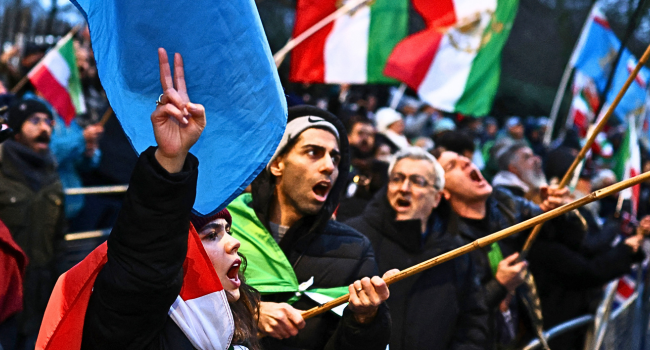

Fresh protests have erupted across Iran despite a nationwide internet shutdown, as rights groups warn that security forces are carrying out a deadly crackdown on demonstrators.
The latest demonstrations broke out overnight in several cities, including Tehran and Mashhad, with videos circulating on social media showing crowds on the streets and vehicles set ablaze.
The protests persisted even as authorities cut off internet access, severely restricting communication with the outside world.
What began as public anger over the rising cost of living has evolved into a broader challenge to Iran’s clerical leadership, which has ruled the country since the 1979 Islamic Revolution.
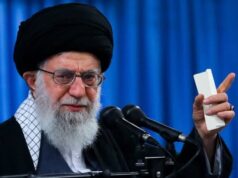
The unrest, now in its second week, represents one of the most serious tests to the authority of Supreme Leader Ayatollah Ali Khamenei in years, coming shortly after a 12-day conflict between Iran and Israel in June, backed by the United States.
Internet monitoring group Netblocks said the blackout had exceeded 60 hours, warning that the censorship posed a serious threat to public safety at a critical moment in the country’s history.
Despite the shutdown, unverified videos emerged online allegedly showing families identifying the bodies of slain protesters in a Tehran morgue.
The US-based Human Rights Activists News Agency said it had confirmed at least 116 deaths linked to the protests, including 37 members of security forces.
However, rights groups cautioned that the true number of casualties could be far higher due to limited access to information.
The Center for Human Rights in Iran said it had received eyewitness accounts and credible reports suggesting that hundreds of protesters may have been killed during the crackdown.
The group warned that hospitals were overwhelmed, blood supplies were dwindling, and that security forces were deliberately targeting protesters’ eyes.
Iranian authorities, however, have defended their actions. Interior Minister Eskandar Momeni told state television that incidents of vandalism were declining, accusing protest leaders of driving violence and chaos.
Police chief Ahmad-Reza Radan said “significant” arrests had been made, though no details were provided.
Iran’s security chief, Ali Larijani, distinguished between protests driven by economic hardship and what he described as riots, accusing some demonstrators of employing tactics similar to those used by terrorist groups.
In Tehran, the impact of the unrest has been profound.
An AFP journalist described a city operating at near standstill, with shops closing early as security forces deploy in large numbers.
Prices of basic goods, including meat, have surged sharply since the protests began.
Exiled former crown prince Reza Pahlavi urged Iranians to remain on the streets, pledging solidarity with demonstrators and calling for further action.
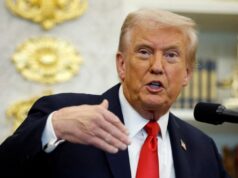
International tensions have also escalated. US President Donald Trump voiced support for the protests and warned Iranian authorities against killing civilians.
In response, Iran’s parliament speaker Mohammad Bagher Ghalibaf threatened retaliation against US military targets and what he described as occupied territories, referring to Israel.
As the unrest continues, fears are mounting that the violence could deepen, with rights groups urging the international community to act swiftly to prevent further loss of life.