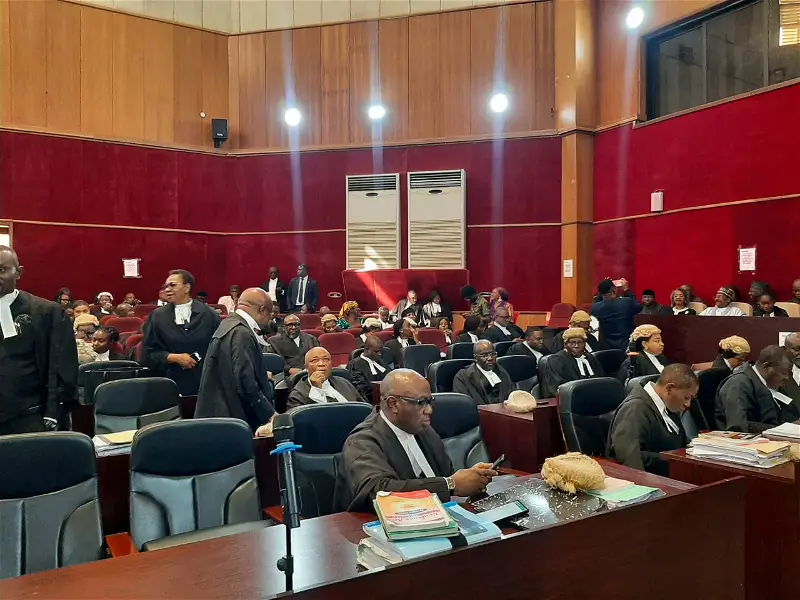

An Ikorodu High Court has directed that three separate DNA tests be conducted to determine the paternity of Liam, the son of late singer Ilerioluwa Aloba, popularly known as Mohbad, in a move aimed at resolving the prolonged family controversy surrounding the child.
The ruling followed complications that trailed an earlier attempt at conducting a DNA test, which reportedly stalled due to concerns over the suitability of the testing facility and its ability to carry out tissue-based analysis.
Mohbad’s father, Joseph Aloba, appeared in court alongside his counsel, Oladayo Ogungbe, who explained that the welfare officer initially proposed a facility within Nigeria that was not equipped for the required tissue-based examination.
The issue was subsequently reported to the court.
To ensure credibility and transparency, the court approved a new arrangement under which three different facilities abroad will conduct the tests.
Each party in the case will nominate one laboratory, while the court will select a third independent centre.
Ogungbe said the tests would be tissue-based and designed to produce consistent outcomes, adding that any discrepancy would immediately signal possible interference.
He emphasised that all parties would be present during the collection of samples to guarantee openness and fairness.
Joseph Aloba expressed satisfaction with the new directive, noting that it would help clear lingering doubts and bring closure to the dispute.
Mohbad died on September 12, 2023, and his body was exhumed days later as part of investigations into the circumstances surrounding his death.
Since then, disagreements over paternity, burial arrangements, and the singer’s estate have dominated public discourse.
His widow, Wunmi, has consistently maintained that Liam is Mohbad’s biological child and has criticised delays linked to repeated calls for DNA testing, stressing her focus on securing justice for her late husband and safeguarding their son’s welfare.
The latest court order is expected to deliver a conclusive outcome, with legal representatives stating that the goal is to establish the truth beyond dispute and prevent further controversy.