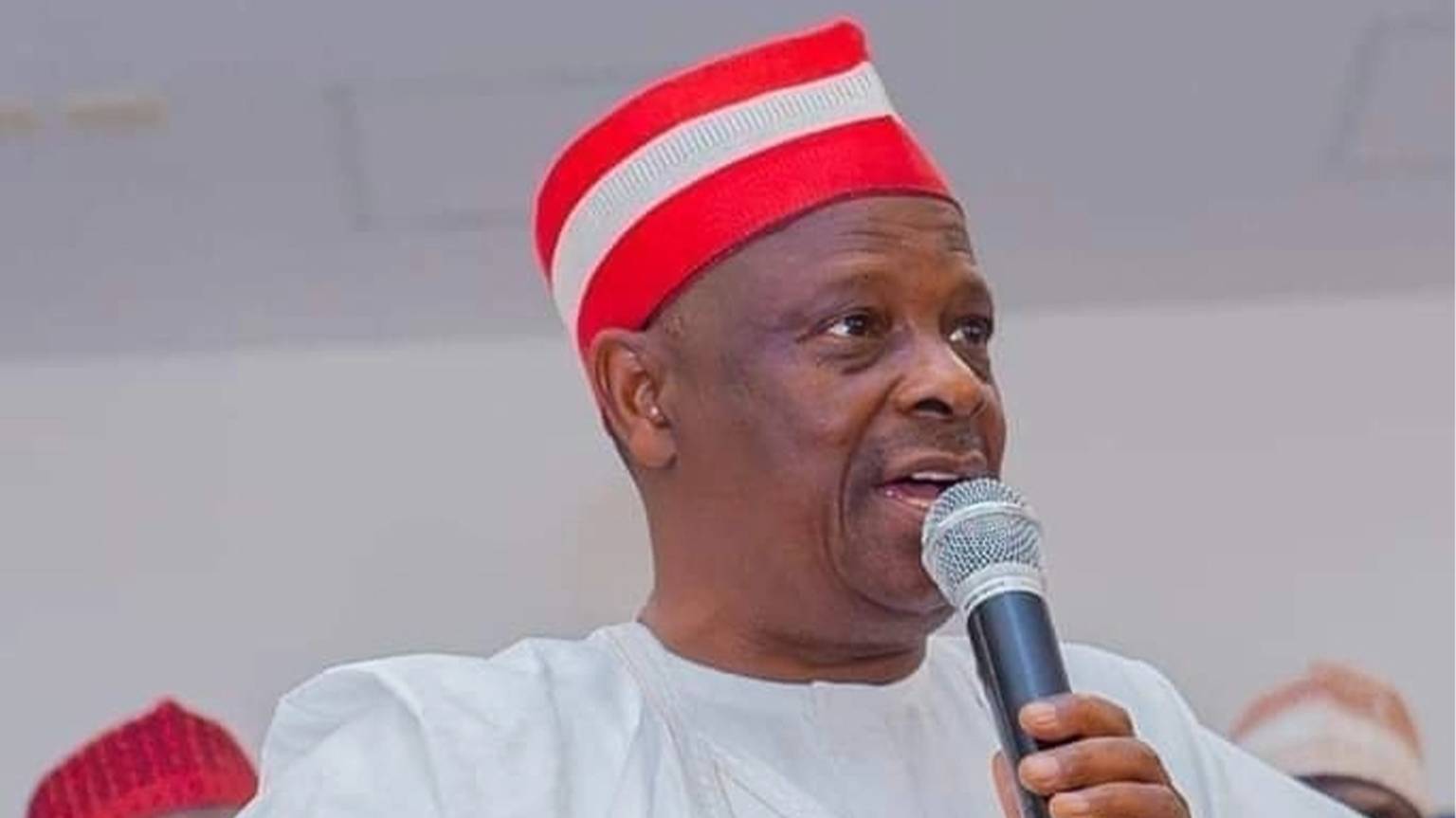

Five United States lawmakers have introduced a bill proposing visa restrictions and asset freezes against former Kano State governor, Rabiu Musa Kwankwaso, the Miyetti Allah Cattle Breeders Association of Nigeria (MACBAN), and other entities over alleged violations of religious freedom in Nigeria.
The proposed legislation, titled Nigeria Religious Freedom and Accountability Act of 2026, was sponsored by Representatives Chris Smith, Riley Moore, Brian Mast, Mario Diaz-Balart and Bill Huizenga.
It seeks to hold individuals and groups accountable for acts linked to the persecution of Christians and other religious minorities.
If passed, the bill would require the U.S. Secretary of State to submit periodic reports to Congress assessing Nigeria’s compliance with international religious freedom standards and measures taken to protect vulnerable communities.
It also recommends targeted sanctions, including visa bans and asset freezes, under the Global Magnitsky Human Rights Accountability framework for individuals and organisations implicated in severe violations.
The lawmakers cited widespread violence across parts of Nigeria, alleging that tens of thousands of Christians were killed between 2009 and 2025 and thousands of churches destroyed.
They also referenced recent attacks in communities across the Middle Belt and other regions, which they said led to deaths, displacement and humanitarian crises.
The bill further calls for a review of whether certain Fulani militia groups in Nigeria should be designated as Foreign Terrorist Organisations and proposes expanded humanitarian support for affected communities through civil society and faith-based organisations.
In addition, the legislation links security concerns to economic activities, including illegal mining, which lawmakers said has been used to finance extremist groups.
It proposes measures to counter such operations and enhance international cooperation involving partners such as the United Kingdom, France and Hungary.
Reacting to the development, the New Nigeria Peoples Party (NNPP) rejected any attempt to link Kwankwaso to religious extremism, describing the move as unfair and politically motivated.
The party’s National Publicity Secretary, Ladipo Johnson, said Kwankwaso’s public record does not support the allegations and urged those behind the proposal to conduct proper investigations.
A U.S-based coalition, End the Genocide Against Nigerian Christians, backed the bill and called for its swift passage, arguing that it would strengthen accountability, curb impunity and improve protection for vulnerable populations.
The group also commended U.S. officials and lawmakers supporting the initiative, insisting that addressing religious persecution in Nigeria should remain a bipartisan priority.
Lawmakers behind the bill said future U.S–Nigeria relations would depend partly on Nigeria’s response to the concerns raised, noting that stronger action against religious violence could enhance cooperation and stability in the region.