
By Dr. Malachy Chuma Ochie,
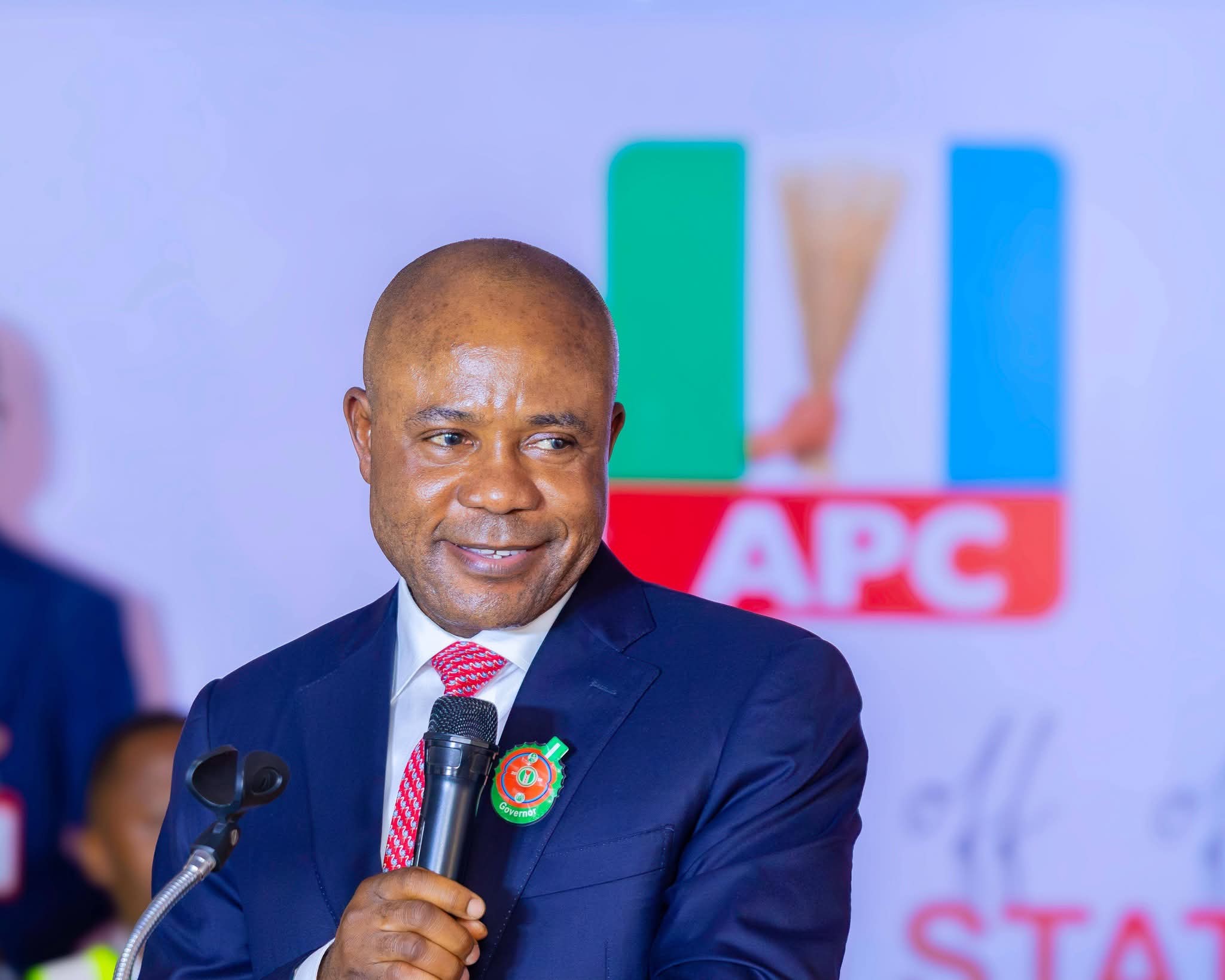
In his recent Lenten message to Ndi-Enugu, Governor Peter Mbah did more than offer seasonal piety! He articulated a philosophy of leadership that fuses faith with function, spirituality with statecraft, and prayer with purposeful governance.
Lent, in the Christian tradition, is a season of reflection, sacrifice, and renewal. Yet in the governor’s message, it became something more profound. It became a moral compass for public leadership and collective responsibility.
For Mbah, spirituality is not a retreat from governance; it is its ethical foundation. He called on Ndi-Enugu to embrace sacrifice, discipline, and compassion, virtues that resonate deeply in a society striving for transformation.
But unlike empty religiosity that often populates political rhetoric, his message was anchored in pragmatic optimism. He linked personal introspection with societal progress, urging citizens to internalize the values of integrity, hard work, and hope as prerequisites for building a prosperous state. In doing so, he reframed Lent from a purely ecclesiastical observance into a civic call to action.
This blend of spirituality and pragmatism reflects a leadership style that understands the psychology of the people. Enugu is a land of deep faith, where the sacred and the secular constantly intersect. By invoking Lenten ideals, Mbah situates governance within the moral imagination of the people.
Yet his administration simultaneously drives forward with ambitious infrastructural renewal, security reforms, educational transformation, and economic expansion. The message is clear: prayer must walk hand in hand with productivity; faith must translate into measurable progress.
Indeed, the governor’s appeal underscores a critical truth about contemporary leadership in Nigeria, and that relates to the fact that development cannot be sustained without moral capital. By encouraging Ndi-Enugu to embody forgiveness, unity, and sacrifice, he strengthens the social cohesion necessary for reforms to take root.
By emphasizing renewal, he mirrors the broader transformation agenda of his administration. The spiritual metaphor becomes a governance strategy. Just as Lent prepares believers for resurrection, disciplined reforms prepare a state for rebirth.
In Gov. Peter Mbah, therefore, we witness a rare synthesis. He neither exploits religion nor divorces governance from moral reflection. Instead, he demonstrates that visionary leadership in a plural and faith-driven society requires both a soul and a strategy. His Lenten message stands as testimony that true progress is not merely engineered in policy documents but cultivated in the hearts of the people.