
Saudi Arabia has issued a sharp warning to Iran, signaling it may launch retaliatory military action following attacks on key energy infrastructure within its territory.
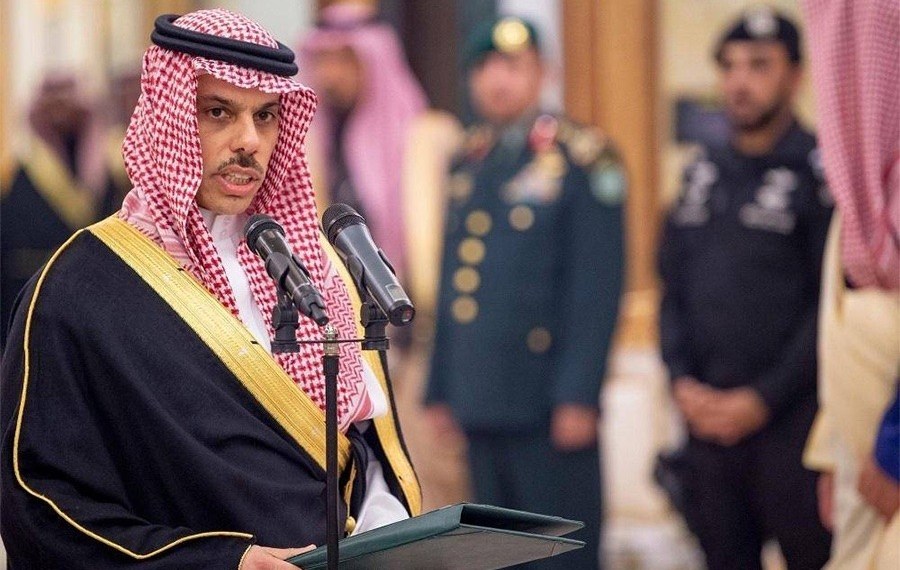
Speaking after a high-level Gulf foreign ministers’ meeting in Riyadh, Saudi Foreign Minister Faisal bin Farhan Al Saud said the kingdom “reserves the right” to respond forcefully if such attacks continue.
He urged Tehran to “review its misjudgements,” stressing that escalating aggression would yield no strategic advantage.
The warning comes after Iranian strikes reportedly hit two petroleum refineries in the Saudi capital, intensifying fears of a broader regional conflict tied to the ongoing confrontation involving the United States, Israel, and Iran.
Al Saud criticized Iran’s regional posture, accusing it of refusing dialogue and instead attempting to pressure neighboring states through force.
He warned that such tactics would ultimately “backfire politically and morally.”
The escalation follows Iran’s earlier threats to target Gulf energy infrastructure in response to U.S. and Israeli strikes on its own gas facilities. Those threats appear to have materialized across multiple countries.
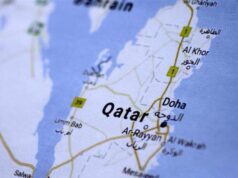
In Qatar, missiles struck the Ras Laffan Industrial City—one of the world’s largest gas processing hubs—causing significant fires and damage. Authorities had evacuated the facility in advance after intelligence warnings.
Meanwhile, the United Arab Emirates shut down its Habshan gas complex in Abu Dhabi after it was also targeted in an Iranian strike.
Iran has defended its actions, arguing that Gulf nations hosting or supporting U.S. military operations effectively make themselves targets.
Tehran also appears to be using the attacks to pressure regional governments into pushing Washington toward a ceasefire.
So far, Gulf countries have limited their response to defensive measures.
However, Saudi Arabia’s latest stance marks a notable shift, suggesting growing frustration—and a possible pivot toward direct retaliation.
Despite the tough rhetoric, Al Saud indicated that diplomacy remains the preferred path, even as tensions continue to rise across the region.
The broader conflict involving the U.S, Israel, and Iran has already resulted in over 1,500 deaths, most of them in Iran, underscoring the high stakes of any further escalation.