
North Korea’s leader, Kim Jong Un, has been re-elected as President of State Affairs, further consolidating his authority over the reclusive, nuclear-armed nation.
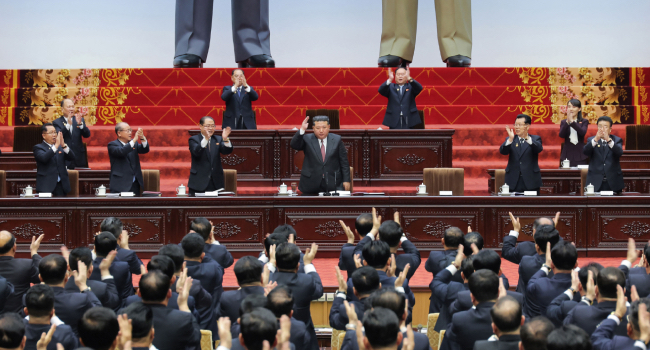
The decision was announced by state media after the country’s legislature, the Supreme People’s Assembly, convened in Pyongyang and unanimously endorsed his continuation in office.
According to the Korean Central News Agency, the reappointment reflects the “unanimous will” of the people, though critics argue the process is largely ceremonial and tightly controlled to project an image of democratic legitimacy.
Kim Jong Un, a third-generation ruler, has been in power since 2011, succeeding his father, Kim Jong Il, and continuing the dynastic leadership established by his grandfather, Kim Il Sung.
Analysts describe the elections as highly choreographed, with pre-determined outcomes that reinforce the regime’s control.
In the latest vote, turnout was reported to be near total, with an overwhelming majority approving the sole candidates presented.
The assembly session is also expected to deliberate on key constitutional changes, including redefining relations with South Korea in more adversarial terms—potentially signalling a shift in Pyongyang’s long-standing rhetoric on reunification.
Observers say the tone and language used by Kim Jong Un during the session will serve as a critical indicator of the country’s future stance toward Seoul and the broader Korean Peninsula.