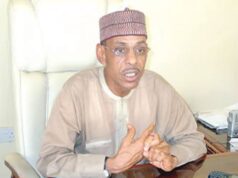

The Economic and Financial Crimes Commission has re-arraigned Nadabo Energy Limited’s CEO, Abubakar Ali Peters, over an alleged N1.4 billion fuel subsidy fraud dating back to 2012.
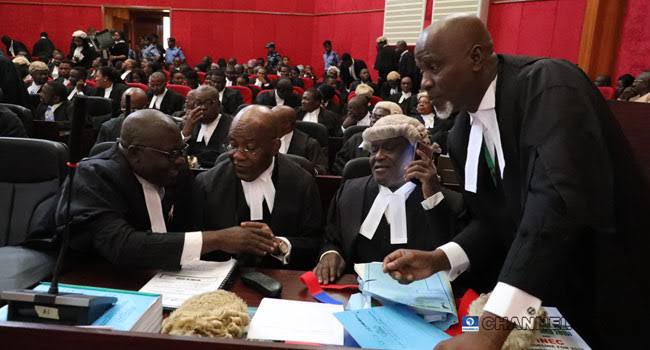
Peters was brought before Justice Ismail Ijelu of the Lagos State High Court, Ikeja, following the reassignment of the long-running case after the retirement of the previous trial judge.
The anti-graft agency slammed the defendant and his company with 27 counts bordering on fraud, forgery, and obtaining funds under false pretences through the Petroleum Support Fund (PSF).
According to the prosecution, Nadabo Energy allegedly secured about N978.4 million from the Federal Government in April 2012 by falsely claiming subsidy payments for the importation of 19.4 million litres of petrol from a Swiss firm.
However, investigations by the EFCC revealed that only about 6.5 million litres were actually imported, exposing a wide discrepancy between declared and verified volumes.
The commission further alleged that forged documents, including a marine insurance certificate purportedly issued by Staco Insurance Plc, were used to support the inflated claims.
Peters pleaded “not guilty” to all charges.
Following his plea, prosecuting counsel S.K. Atteh urged the court to fix a trial date and remand the defendant, but the defence opposed the move, citing that Peters had been on bail since December 2012 and had consistently complied with court conditions.
Ruling on the application, Justice Ijelu ordered that the defendant should continue on his existing bail, while directing his sureties to reappear and reaffirm their commitments at the next hearing.
The court subsequently adjourned the matter to May 19, 20, and 21 for trial commencement.
The case, which has dragged on for over a decade, is part of a broader crackdown on alleged abuses in Nigeria’s fuel subsidy regime, a sector long plagued by claims of fraud, inflated import figures, and forged documentation.
Earlier proceedings saw testimonies from investigators and key witnesses, including former EFCC Chairman Abdulrasheed Bawa, who pointed to inconsistencies in shipping and financial records tied to the subsidy claims.
At one stage, a former defence counsel described the defendant as “a threat to national security” and sought to withdraw from the case, alleging attempts to frustrate the trial.
Despite multiple legal battles and interlocutory appeals—including a dismissed appeal at the Court of Appeal in 2018—the case has continued to move through Nigeria’s judicial process, with the prosecution insisting it has sufficient evidence to secure conviction.