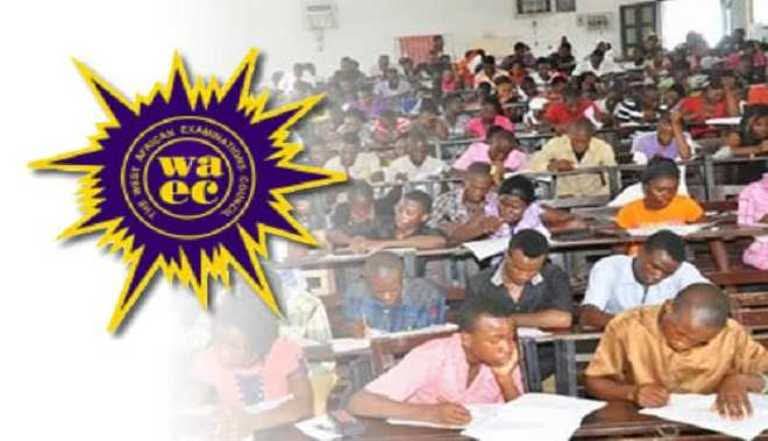

The Federal Government has suspended its proposed increase in registration fees for the 2027 West African Senior School Certificate Examination (WASSCE) and the National Examinations Council (NECO) Senior School Certificate Examination following widespread public criticism.
The decision was announced on Monday by the Federal Ministry of Education, which disclosed that the June 18, 2026 letter approving the fee adjustment had been withdrawn to allow for broader consultations with key stakeholders before any final decision is taken.
According to a statement signed by the ministry’s Director of Press and Public Relations, Boriowo Folasade, the suspension reflects the government’s commitment to inclusive, transparent and evidence-based policymaking.
The statement noted that although the proposed increase was necessitated by rising operational costs associated with conducting national examinations, including logistics, security, printing, technology deployment and quality assurance, the government considers public engagement essential before implementing such a policy.
Minister of Education, Dr. Maruf Tunji Alausa, directed that the proposal be put on hold to ensure all relevant stakeholders have an opportunity to contribute to the decision-making process.
The ministry said consultations would involve examination bodies, state ministries of education, school proprietors, administrators, parents’ associations, organised labour and other education stakeholders.
It stressed that no increase in examination registration fees would take effect until the consultation process is concluded.
The Federal Government reaffirmed its commitment to protecting students’ welfare, ensuring equitable access to quality education and pursuing policies that reflect the interests of Nigerians.
The now-suspended proposal sought to raise the registration fee for both WAEC and NECO examinations from ₦27,500 to ₦50,000 beginning in 2027—an increase of about 82 per cent.
The planned hike had attracted strong opposition from several groups, including former Vice President Atiku Abubakar and the National Association of Nigerian Students (NANS), who described the increase as an additional burden on struggling Nigerian families.