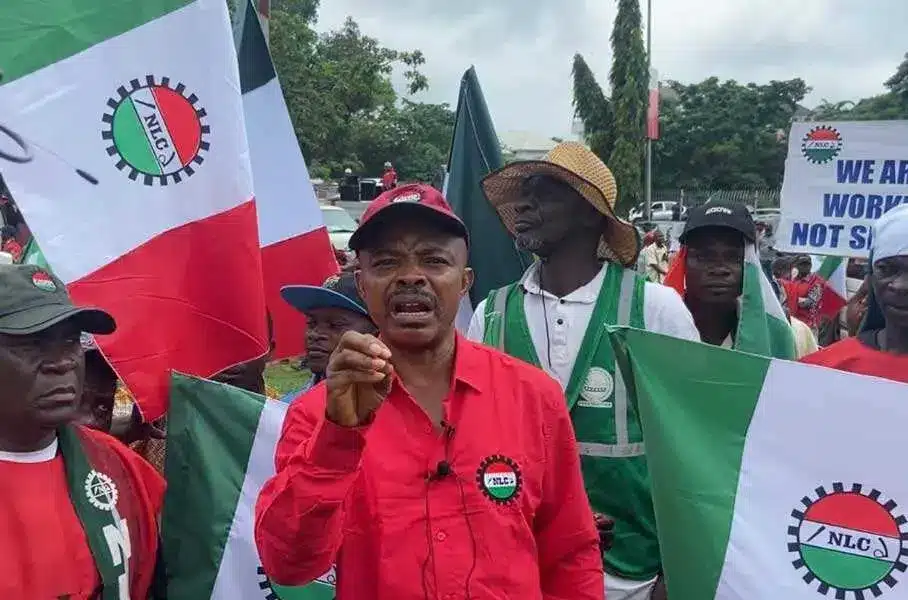

Organised Labour in Nigeria has issued a strong call to President Bola Tinubu, demanding the immediate reversal of what it terms the “unconstitutional suspension” of the Rivers State Government under Governor Siminalayi Fubara.
The Labour unions described the action, reportedly executed under the guise of a state of emergency, as a violation of democratic norms.
Speaking at the 2025 May Day rally held at Eagle Square in Abuja, the Presidents of the Nigeria Labour Congress (NLC) and the Trade Union Congress (TUC), Joe Ajaero and Festus Osifo respectively, emphasized the need for government at all levels to stop encroaching on civic freedoms.
“The federal and state governments must cease actions that erode the civic space and deepen it for the sake of the nation,” they said.
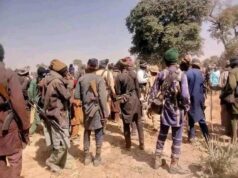
Among other urgent demands, the Labour leaders called on the Federal Government to tackle the worsening insecurity, lamenting the ongoing violence across the country.
“The number one duty of the government is ensuring the safety of lives and property of the citizens,” they declared, describing the current wave of violence as “genocidal killings and bloodletting.”
Labour also turned its attention to the tax bills currently before the National Assembly.
According to the unions, these proposals were developed without consultation and unfairly shift the economic burden onto workers.
“The tax bills, crafted without the input of the NLC and the TUC, impose a burden on workers while letting the rich and corporations off the hook,” the Labour leaders argued.
They called for the bills to be withdrawn immediately to allow worker representatives to contribute meaningfully.
In response to the recent increase in telecom tariffs, Labour demanded a rollback of the hike from 50 percent to 35 percent.
Additionally, Labour pressed for a comprehensive wage review that reflects the current cost of living, alongside the settlement of all outstanding payments owed to workers across the country.
Other demands include the restoration of gratuity payments, a review of the retirement age, and the automatic adjustment of pensions in line with inflation trends.