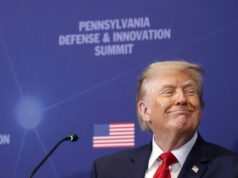

President Donald Trump has declined to confirm whether the United States will support Israel militarily in its ongoing conflict with Iran, saying only, “I may do it, I may not do it. Nobody knows what I want to do.”
Speaking to reporters outside the White House during a flagpole installation event, Trump added, “Iran’s got a lot of trouble and wants to negotiate.”
The comments come amid heightened tensions between Israel and Iran. Israel launched airstrikes overnight targeting two of Iran’s centrifuge production sites, according to the UN’s nuclear watchdog.
Iran retaliated, claiming it had fired a hypersonic missile at Israel.
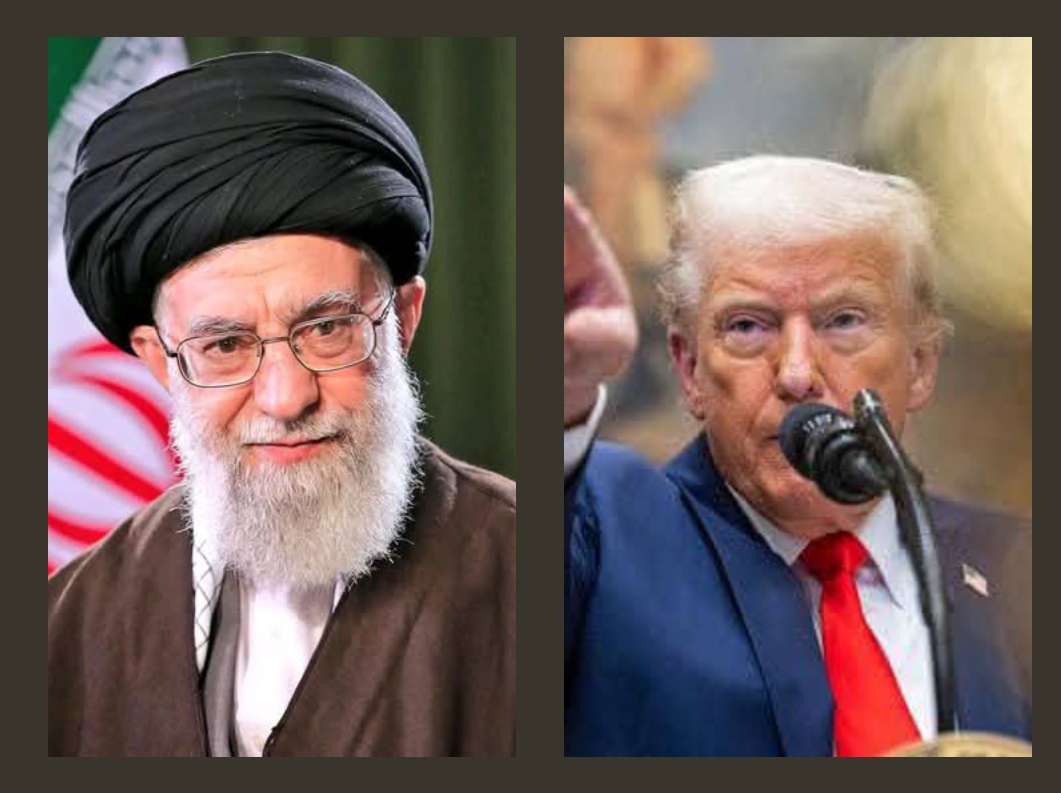
Earlier, Iran’s Supreme Leader, Ayatollah Ali Khamenei, warned the U.S. of “irreparable harm” if it enters the conflict, stating that Iran “will never surrender in response to the attacks of anyone.”
Khamenei, who holds the most power in Iran, including over foreign policy and nuclear negotiations, has dismissed Trump’s demands for unconditional surrender.
The Supreme Leader also claimed that U.S. involvement would be “100% to its own detriment.”
In response to Iran’s defiance, Trump took to Truth Social, posting: “We know exactly where the so-called ‘Supreme Leader’ is hiding… We are not going to take him out (kill!), at least not for now… but our patience is wearing thin.”
He followed up with a terse declaration: “UNCONDITIONAL SURRENDER!”
Despite escalating rhetoric, Trump has so far avoided direct military action.
Analysts suggest he faces a complex choice: uphold his “peacemaker” image that resonates with his political base or take a hardline stance on Iran’s nuclear ambitions.
Speaking further, Trump said that Iranian negotiators have indicated they “may come to the White House,” though he noted the difficulty in such arrangements.
He added, “Two very simple words: unconditional surrender. I’ve had it.”
Meanwhile, Israel continues its campaign. The Israel Defense Forces (IDF) reported it has achieved air superiority over key Iranian areas, particularly around Tehran.
According to IDF spokesperson Lt Col Nadav Shoshani, Israeli intelligence teams completed detailed mapping of Iran’s air defense infrastructure early in 2025, enabling successful strikes.
With Iran’s air defenses weakened and its air force largely grounded, Israel has maintained control of the skies.
Nonetheless, Iran claimed one success, the downing of an Israeli drone using a surface-to-air missile.
At the same time, humanitarian conditions in Iran are deteriorating.
Citizens in cities like Karaj and Qazvin have reported food and fuel shortages, crowded bakeries, and non-functional bank cards.
One Tehran resident told BBC Persian, “There are enough essentials, but shelves are being restocked slowly. Gas stations are still crowded.”
British national Naomi Brookarsh, who survived a missile strike while visiting her brother in Tel Aviv, described the experience as “like an apocalypse.”
She credited a bomb shelter with saving their lives during the attack.
Back in Washington, Trump’s public schedule appears light. Aside from a ceremonial swearing-in and a lunch with Pakistan’s military chief, no major public events are planned. Still, the unpredictability surrounding his decision-making remains a central feature of the crisis.
As he put it himself: “I may do it, I may not do it.”