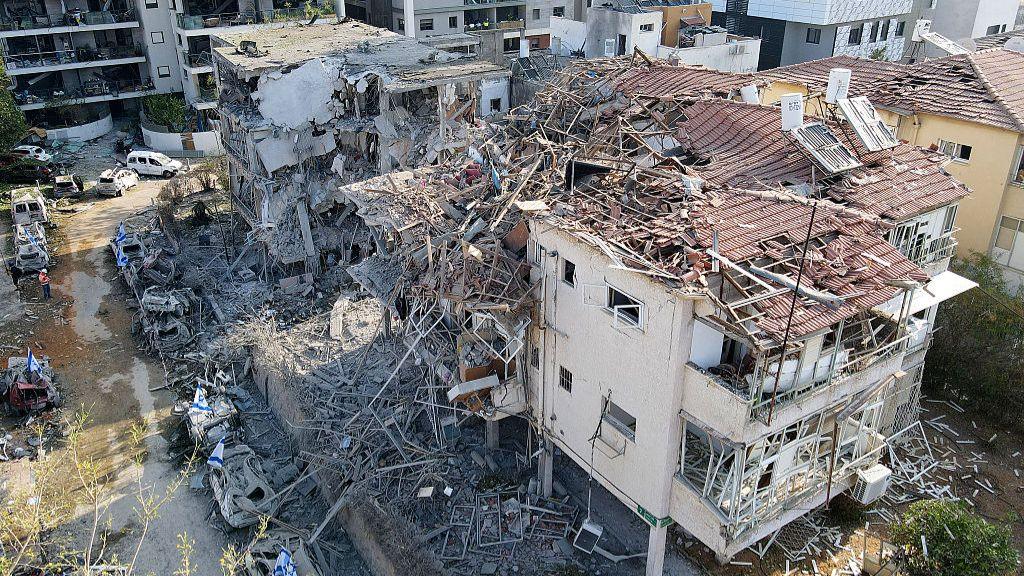

The conflict in Gaza has reached a devastating milestone, with over 60,000 people killed and nearly 146,000 injured, according to the latest figures released Tuesday by the Hamas-run health ministry.
As the war between Israel and Hamas continues, the ministry noted that many victims remain trapped under rubble or inaccessible due to ongoing hostilities.
The humanitarian situation in the region is spiraling, with food insecurity now threatening large swathes of Gaza’s 2.1 million residents.
An alert issued by the Integrated Food Security Phase Classification (IPC), a UN-supported body described the crisis as one of “widespread starvation, malnutrition and disease,” warning of a sharp increase in hunger-related deaths.
“This is the worst-case scenario of famine unfolding in Gaza,” the IPC stated.
“Only immediate action to end hostilities and unimpeded, large-scale humanitarian access can stop further deaths and catastrophic human suffering.”
UN agencies have reiterated warnings of man-made mass starvation, reporting 63 malnutrition-related deaths in Gaza just this month alone.
They point to Israel’s control over aid entry points as a major bottleneck preventing lifesaving assistance from reaching civilians.
UN Secretary-General, António Guterres, expressed deep concern over the dire situation, stating:
“The facts are in, and they are undeniable. Palestinians in Gaza are enduring a humanitarian catastrophe of epic proportions.
This is not a warning. It is a reality unfolding before our eyes. The trickle of aid must become an ocean. Food, water, medicine, and fuel must flow in waves and without obstruction.”
While Israel has frequently accused Hamas of intercepting aid, recent reports challenge that narrative.
The New York Times, citing senior Israeli military officials, reported on Sunday that there has been no proof of Hamas systematically stealing UN aid.
In addition, Reuters last week cited internal U.S. government findings, which similarly found no evidence of systematic diversion of U.S funded humanitarian supplies by Hamas.
As calls for an immediate ceasefire grow louder, humanitarian agencies continue to stress that unrestricted aid delivery and a lasting political resolution are the only viable paths to ending what they describe as a humanitarian disaster of historic scale.