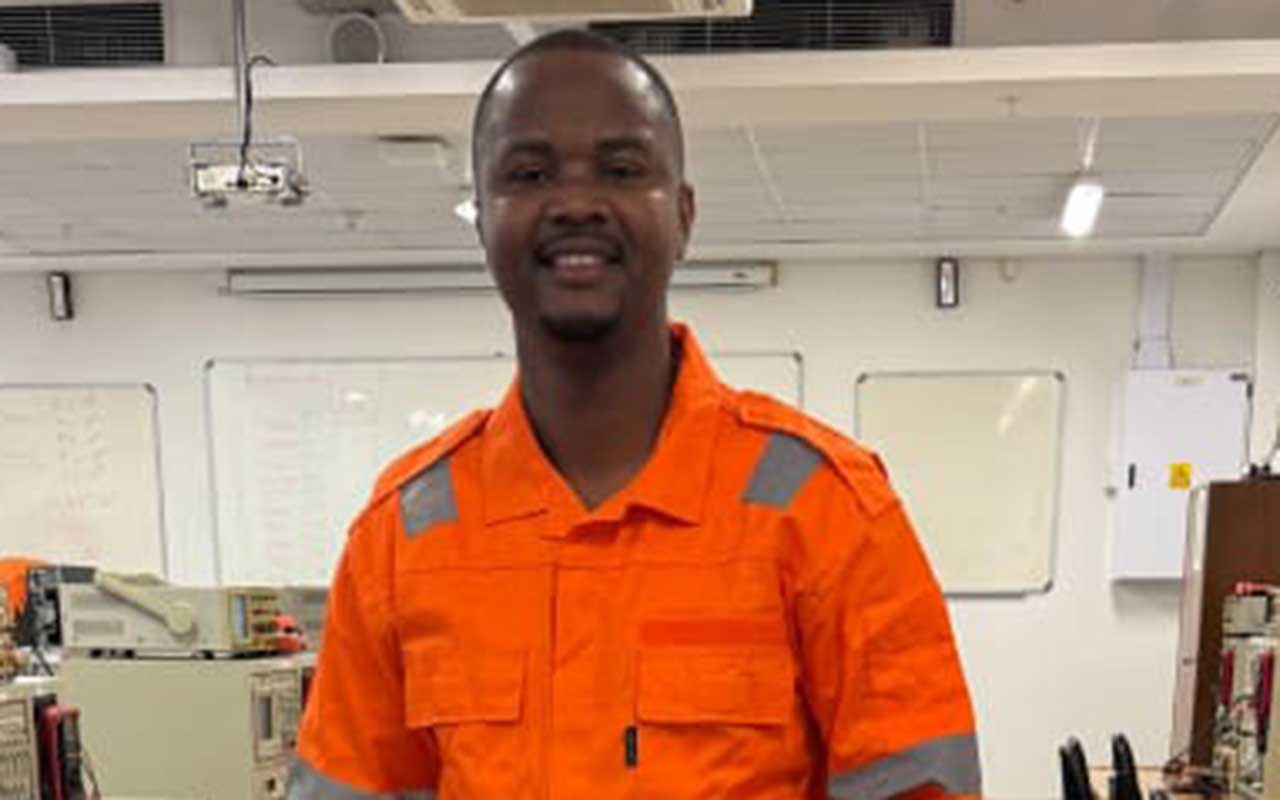

Nigerian-born engineer Mike Oluwaseun Ojumu has created a groundbreaking drone system designed to combat malaria in high-risk communities.
Drawing on personal experiences growing up in Katsina State, where malaria was a frequent and costly health issue, Ojumu is using autonomous drones to target mosquito breeding grounds with precision spraying.
His drones are equipped with AI-driven computer vision and sensor technology, enabling them to detect stagnant water sources and efficiently deliver insecticide where it’s most needed.
The aim is to provide a low-cost, scalable alternative for families who can’t afford traditional anti-malaria tools.
“In my community, treating malaria became routine. I wanted to think beyond treatment to prevention,” said Ojumu.
A mechanical engineer specializing in subsea robotics and autonomous systems, Ojumu began with minimal resources, building his early drone prototypes using salvaged parts.
Today, his innovation stands at the intersection of health, technology, and social impact.
Globally, drones are already making waves in agriculture and disaster response, but Ojumu believes Africa’s greatest opportunity lies in applying drone technology to public health and food security.
“Drones are no longer a novelty, they’re a necessity,” he emphasized.
Ojumu is urging Nigerian universities to integrate drone technology into STEM education through hands-on projects, low-cost kits, and student competitions.
He believes this approach will empower the next generation of engineers to design homegrown solutions to local challenges.
He also stresses the importance of local manufacturing and partnerships to reduce reliance on imported tech and ensure the long-term sustainability of such innovations.
“As a child, I wondered why something as common as malaria could disrupt so many lives,” he reflected.
“That curiosity sparked resilience. What began with scrap parts is now saving lives. Purpose-driven technology can truly transform communities.”