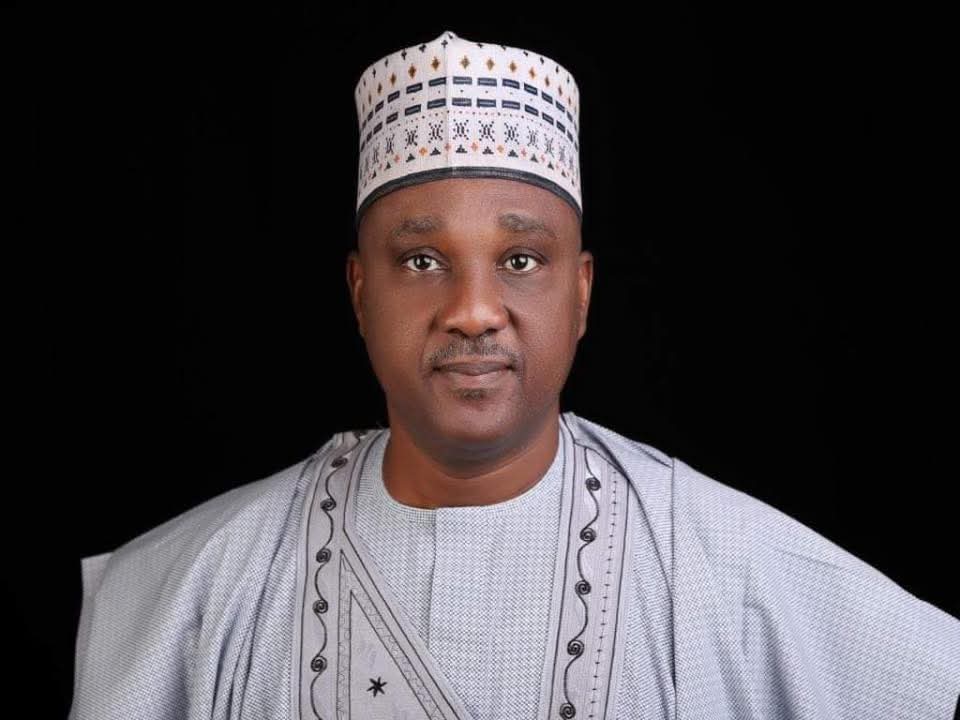

Speaker of the House of Representatives, Tajudeen Abbas, has refuted claims that he condemned Nigeria’s borrowing strategy, clarifying that his comments were aimed at calling for better oversight and fiscal reforms, not a blanket disapproval of public debt.
At the recent West Africa Association of Public Accounts Committees (WAAPAC) conference, Abbas represented by Hon. Babatunde Salam raised concerns over the country’s growing debt profile.
He noted that as of Q1 2025, Nigeria’s public debt stood at ₦149.39 trillion (approximately $97 billion), with a debt-to-GDP ratio of 52%, surpassing the statutory ceiling of 40%.
“This is not just a budgetary concern but a structural crisis that demands urgent parliamentary attention and coordinated reform,” Abbas was quoted as saying.
However, following media reports suggesting he criticised the Federal Government’s borrowing, his Special Adviser on New Media, Jowosimi Enitan, issued a clarification, stating that the Speaker’s position had been misrepresented.
“For the record, Speaker Abbas never condemned borrowing,” Enitan said.
“On the contrary, he emphasised that when managed prudently, public debt can serve as a tool for economic growth.”
Enitan explained that the Speaker supports responsible borrowing tied to measurable development outcomes, such as infrastructure, education, and healthcare.
He also praised the Tinubu administration’s efforts to boost non-oil revenue and reduce reliance on loans.
“For the first time in decades, Nigeria has met its 2025 revenue target ahead of schedule, without borrowing. This is proof that with discipline and focus, economic sovereignty is achievable,” Enitan added.
The statement further stressed that oversight of public debt is both a constitutional mandate and a moral obligation for the legislature.
“The Speaker’s message was a call for transparency, accountability, and stronger legislative oversight, not an attack on the government’s economic strategy,” Enitan concluded.