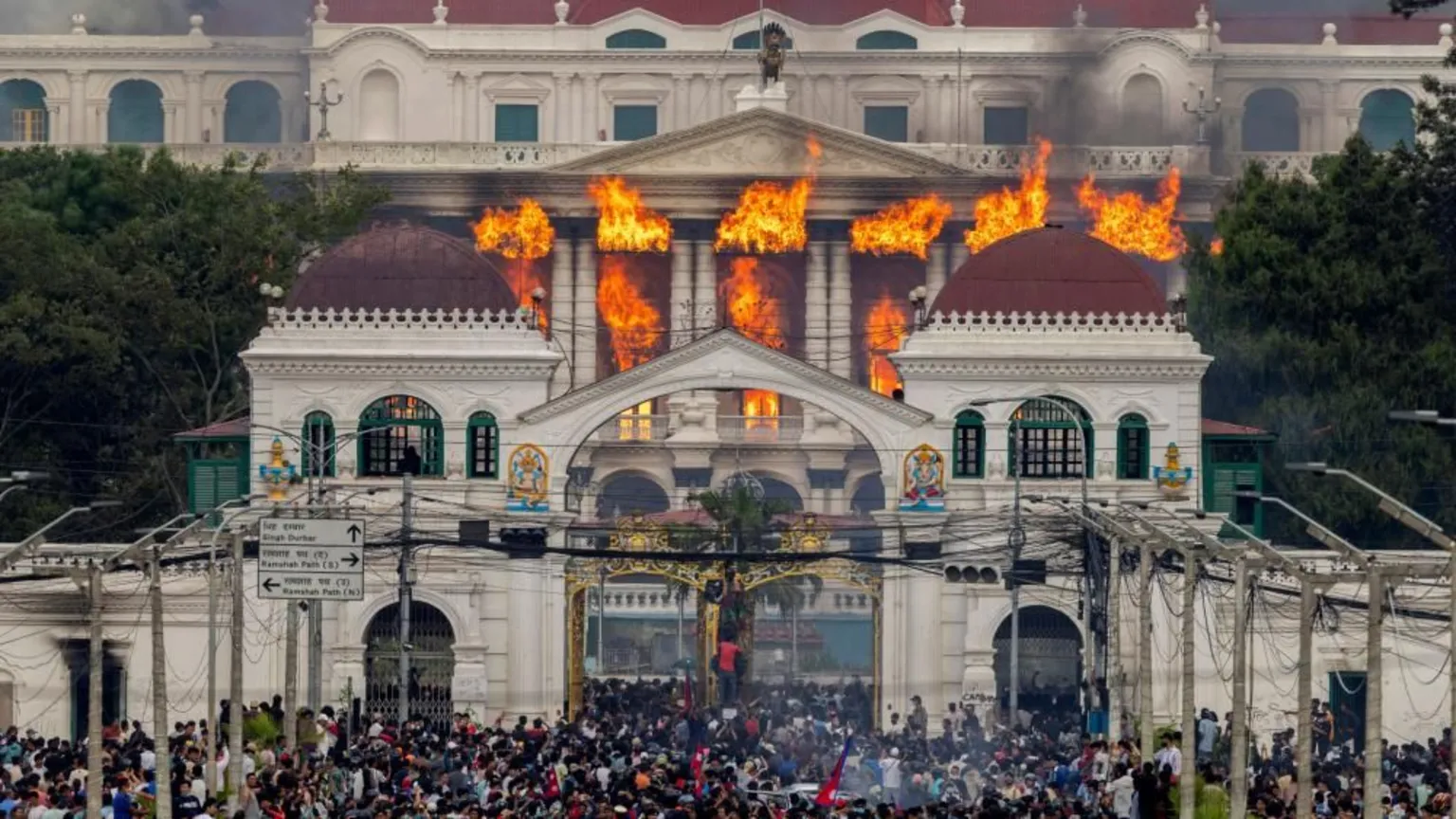

Nepal’s political crisis deepened this week following the resignation of Prime Minister KP Sharma Oli and violent protests that left at least 19 people dead and the national parliament set ablaze.
In response, President Ramchandra Paudel has urged all sides to work towards a peaceful solution.
In a statement released Thursday, President Paudel emphasized the need to address the unrest within legal and constitutional limits.
“I am consulting and making every effort to find a way out of the current difficult situation within the constitutional framework,” he said.
“I appeal to all parties to be confident that a solution is being sought to address the demands of the protesting citizens.”
Prime Minister Oli, 73, a veteran politician who had served four terms, stepped down on Tuesday following mounting pressure and violent demonstrations.
His current whereabouts remain unknown.
Under Nepal’s constitution, President Paudel, 80, is now expected to invite the leader of the largest party in parliament to form a new government.
In a rare move, Nepal’s army chief, General Ashok Raj Sigdel, convened meetings on Wednesday with key stakeholders, including representatives of the Gen Z-led protest movement.
A military spokesperson confirmed the talks were part of efforts to de-escalate tensions.
As violence escalated, a nationwide curfew was imposed in the country of approximately 30 million people, the most severe measure seen in Nepal in two decades.
President Paudel urged the public to remain peaceful:
“I call on all citizens to exercise restraint and support efforts to restore peace and stability in the country.”
The protests, which erupted over political grievances and allegations of corruption, turned deadly earlier this week.
The parliament building was torched during clashes between demonstrators and security forces.