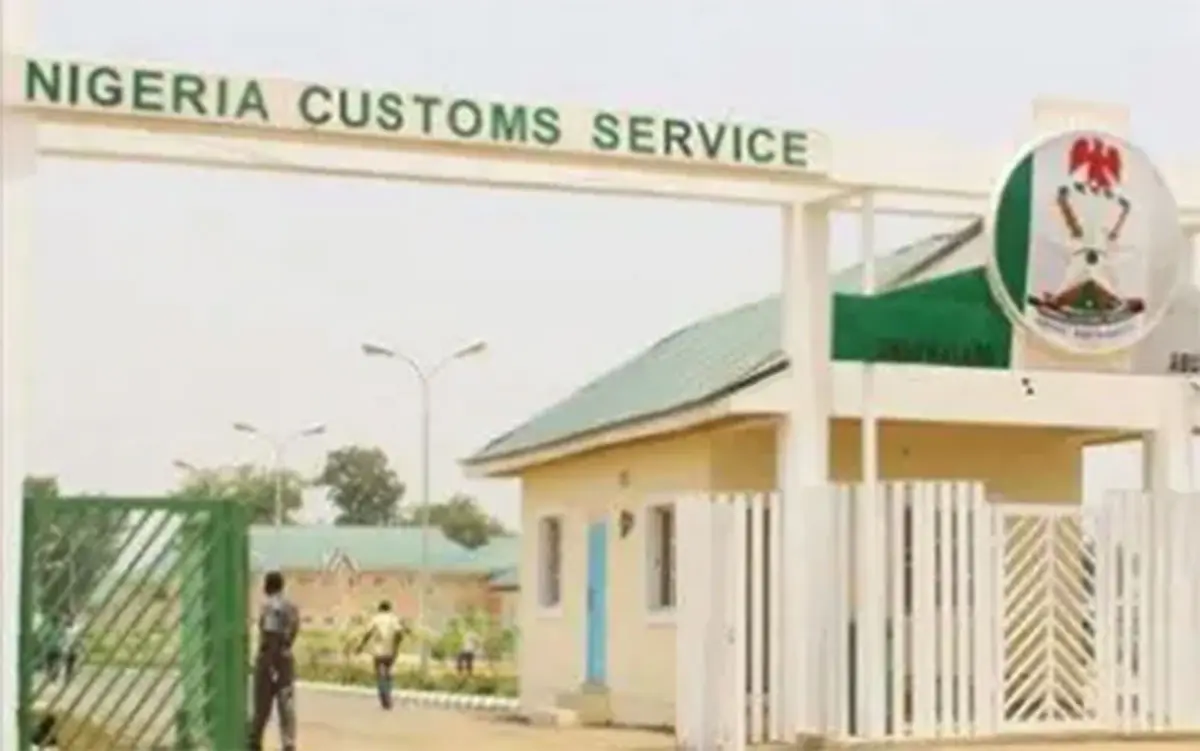

In a major push to decongest Nigerian ports and streamline cargo operations, the Nigeria Customs Service (NCS) has officially launched an automated “Overtime E-Clearance System.”
The digital platform is designed to fast-track the clearance of overtime cargo, reduce corruption and eliminate the bottlenecks caused by physical paperwork and manual procedures.
Comptroller-General of Customs, Adewale Adeniyi, introduced the system during a formal unveiling at Apapa Port, Lagos, stating that the initiative is part of broader reforms aimed at enhancing transparency, efficiency and legal compliance across the sector.
“This system allows consignees to submit and monitor overtime cargo clearance requests online, eliminating the need for repeated physical visits,” Adeniyi said.
Key Features of the System:
End-to-end digital application process for overtime cargo clearance.
Real-time tracking of applications by stakeholders.
Builds on a policy that extended cargo dwell time from 30 to 120 days, giving importers more time before goods are classified as “overtime.”
Adeniyi encouraged stakeholders to participate in the pilot phase by testing the platform and providing feedback, emphasizing the importance of collaborative improvement ahead of a full nationwide rollout.
Despite the digital shift, the Customs chief warned against misuse of the system, referencing a 15-year-old cargo abandonment case still under investigation.
“Deliberately abandoning goods to avoid paying duties is a serious offense. The system is not a loophole, it will be monitored, and violators will face stiff penalties,” he cautioned.
As part of the implementation plan, customs will hold sensitisation workshops with terminal operators, shipping firms and logistics stakeholders throughout the week, while feedback and legal issues raised during the pilot phase will be addressed before full deployment.
Assistant Comptroller General Mohammed Babandede, who oversees Customs operations in Zone A, hailed the development as a milestone.
“This initiative reflects our commitment to transparency, automation, and improving the ease of doing business in Nigeria,” he said.