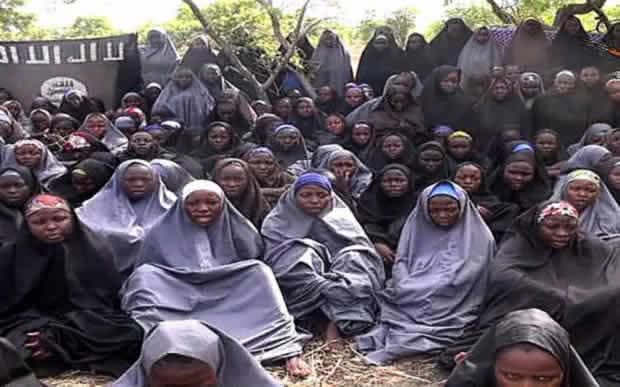

A decade after the horrifying 2014 mass abduction of schoolgirls in Chibok, Borno State, 91 of the girls remain unaccounted for, according to a new United Nations (UN) report.
The report, released by the UN Committee on the Elimination of Discrimination against Women (CEDAW), highlights ongoing trauma, stigma, and government inaction that continue to affect the victims and their families.
Following a confidential mission to Nigeria in December 2023, which included visits to Abuja, Adamawa, Borno, Enugu, and Kaduna, the committee reported “grave and systematic violations” of women’s and girls’ rights in Nigeria, especially in areas affected by armed conflict.
“Nigeria is responsible for grave and systematic violations of women’s and girls’ rights amid multiple mass abductions,” the committee stated.
During the visit, CEDAW members engaged with federal officials, military personnel, and victims of abduction — including those held by Boko Haram and other armed groups.
Of the 276 girls taken from Chibok Secondary School in April 2014, 82 escaped on their own, 103 were released between 2016 and 2017 via prisoner exchanges while 91 are still missing or in captivity.
The UN inquiry also revealed that the Chibok case was just one part of a wider pattern.
Since 2014, over 1,400 students have been kidnapped from schools across northern Nigeria.
“The abduction of the Chibok girls was not an isolated tragedy but part of a series of mass abductions targeting schools and communities,” said CEDAW Chair, Nahla Haidar.
The report paints a grim picture of life in captivity: Girls were denied food, Beaten for disobedience, Forced into marriages and religious conversions, Many gave birth while in captivity.
Survivors of ransom abductions also faced sexual violence, repeated rape, and physical abuse by multiple captors.
While some of the freed Chibok girls received rehabilitation and scholarships through government programs and institutions like the American University of Nigeria, many others, especially those who escaped on their own, remain unrehabilitated, stigmatised, and out of school.
“These girls were failed twice, first when they were abducted and again when so many of them were abandoned after escaping,” said Haidar.
The UN report also noted that families who paid ransoms to secure the release of their daughters were left destitute, having sold all they owned.
The Committee criticised the Nigerian government for Failing to protect schools from targeted attacks, Not criminalising abduction and marital rape in all 36 states, Lacking consistent efforts to rescue remaining captives and not addressing the social reintegration of survivors.
“The fate of the 91 remaining Chibok girls remains unknown, as the government is no longer pursuing negotiations,” the report said.
The UN urged the Nigerian government to Resume rescue operations for all missing girls and women, Adequately fund and equip the Police as well as Address stigma and provide full rehabilitation for survivors.
The full CEDAW inquiry report, including its findings and recommendations, is now available online.
The delegation was led by Dalia Leinarte (Lithuania) and Rhoda Reddock (Trinidad and Tobago), accompanied by UN Human Rights Officers.