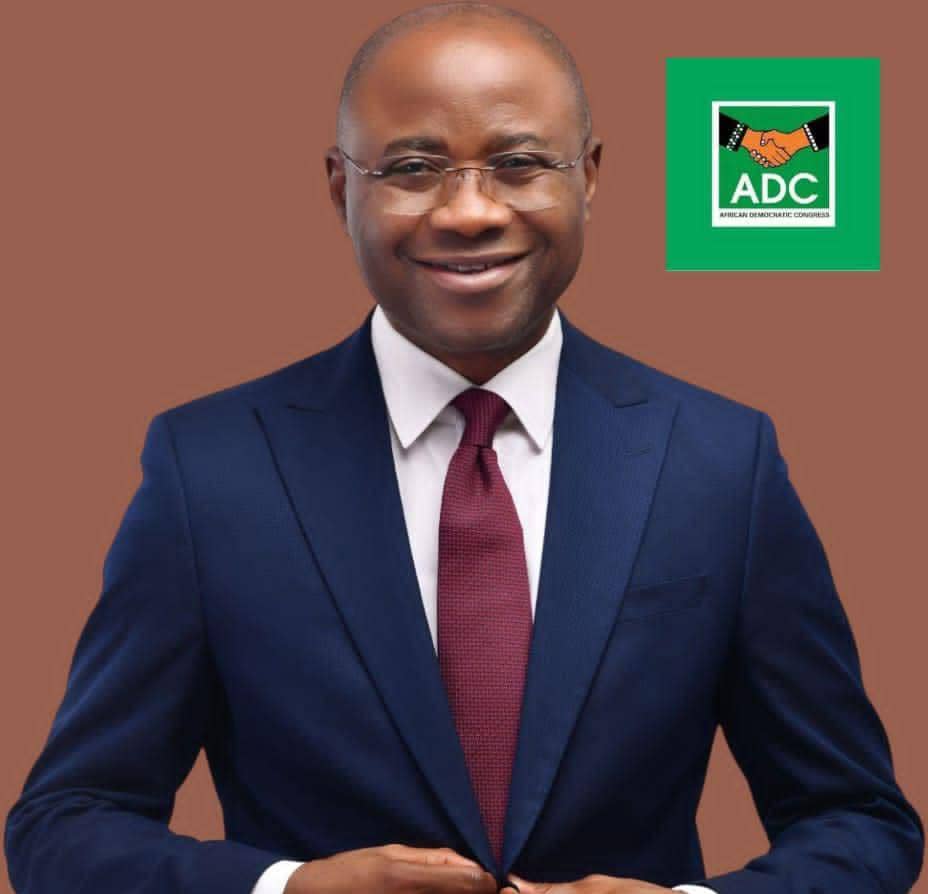

John Nwosu, the African Democratic Congress (ADC) candidate in the upcoming Anambra State governorship election, has pledged to abolish multiple taxation and overhaul the current revenue collection system if elected on November 8.
Speaking during an online interactive session with members of the Anambra State Association (ASA-USA), Nwosu described the existing revenue system under Governor Chukwuma Soludo’s administration as “crude and unsustainable.”
Nwosu, an Information and Communication Technology (ICT) expert, promised to dismantle the current model, which he said has caused untold hardship to residents and business owners across the state.
He cited the death of Okechukwu Akaname, a former president of the Onitsha Chamber of Commerce, Industry, Mines, and Agriculture, who allegedly died due to complications following an altercation with revenue enforcement agents.
Nwosu said such incidents are unacceptable and would be eliminated under his leadership.
“Multiple taxation is a major issue in Anambra, especially for small business owners and transport operators. I will end it if elected governor,” Nwosu said.
To address the issue, the ADC candidate outlined plans to implement a fully digital, E-government system that will streamline revenue collection and eliminate the need for street enforcers.
According to him, the technology-driven model would reduce corruption, improve transparency, and ensure that taxes are paid in a seamless, traceable manner.
“With an E-government system, we will remove revenue agents from the streets 100 per cent. No one should be harassed in the name of tax enforcement,” he said.
Nwosu also proposed a regional approach in collaboration with the South-East Governors’ Forum.
He suggested introducing a unified, computerized sticker system for transport operators, which would prevent multiple levies across different states in the region.
“Anyone who registers for our E-Transport system will be free from harassment. The sticker will be scannable with a smartphone to verify authenticity. Revenue will be shared—50% to Anambra, and 50% to the other states,” he explained.
Multiple taxation has long been a burden on Anambra’s economy, especially for traders, small businesses, and transport workers.
Business owners often face not only formal taxes from state and local governments but also informal levies and road-side demands from enforcement agents.
Nwosu’s proposal has gained attention for addressing a widespread concern that many say has stifled growth and increased the cost of doing business in the state.