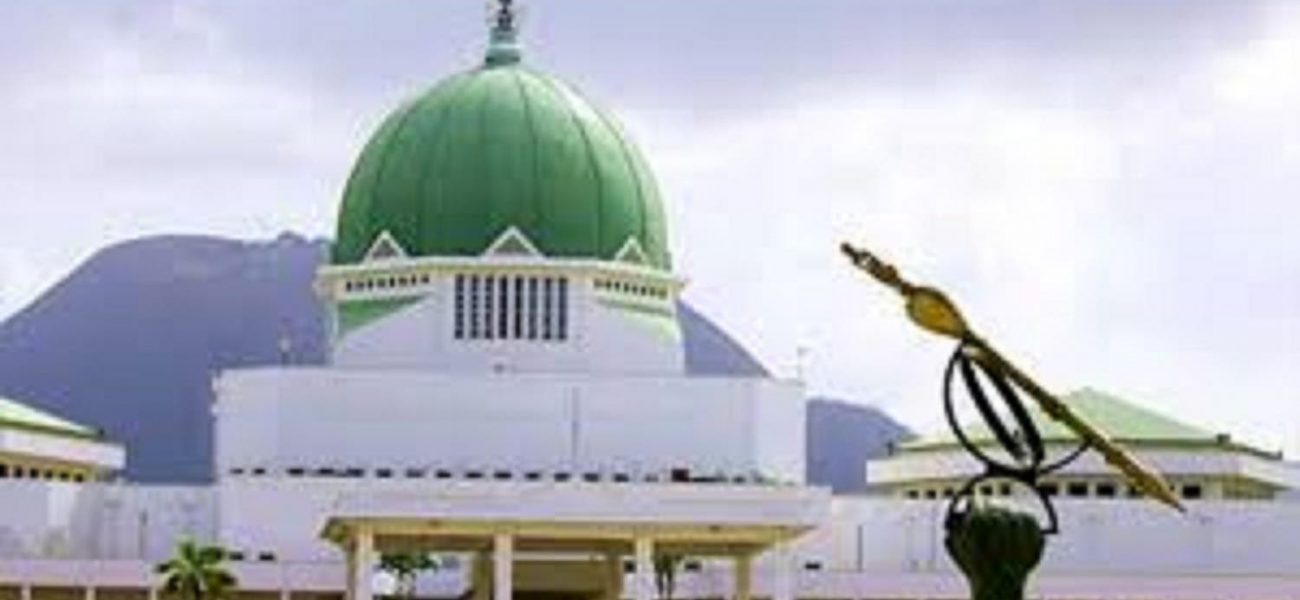

The Socio-Economic Rights and Accountability Project (SERAP) has called on Senate President Godswill Akpabio and House Speaker Tajudeen Abbas to account for an alleged ₦18.6 billion missing from the controversial National Assembly Commission Office Complex project.
In a letter dated October 18, 2025, and signed by SERAP’s Deputy Director, Kolawole Oluwadare, the group demanded that the leadership of the National Assembly disclose the identity of the “fictitious construction company” reportedly paid billions for the project.
SERAP also requested details of the company’s directors, shareholders, and registered address.
The demand follows findings in the 2022 Auditor-General’s report, which raised red flags over irregularities surrounding the contract award and execution.
“The contract was awarded without any needs assessment, public advertisements, competitive bidding, or approval from the Bureau of Public Procurement (BPP),” the letter stated.
According to the Auditor-General’s report, the National Assembly Service Commission paid ₦11.6 billion to an unknown company over a 24-month period for the conversion of the National Assembly’s roof garden into office space, a contract that was allegedly inflated by ₦6.9 billion.
The report noted that the Bill of Quantity was not priced, no valid agreement was signed before payment, there was no Federal Executive Council approval and the entire project lacked necessary procurement documentation.
The audit report, released on September 9, 2025, expressed concerns that the ₦18.6 billion earmarked for the project could be unaccounted for.
SERAP described the revelations as a “grave violation of public trust and constitutional responsibility,” and urged the leadership of the National Assembly to take immediate steps to investigate the matter and refer it to appropriate anti-corruption agencies for recovery of any missing funds.
“The National Assembly can only lead by example in the fight against corruption if it holds itself to the same standards it demands of others,” SERAP said.
The group warned that failure to act within seven days of receiving the letter would result in legal action to compel compliance.
Citing Sections 13, 15(5), and 16 of the Nigerian Constitution, as well as Articles 5 and 9 of the UN Convention Against Corruption, SERAP reminded the legislature of its duty to promote transparency, public welfare, and proper management of public resources.
“Addressing this matter would demonstrate a commitment to accountability and help rebuild public trust,” the organisation concluded.