
By Zayd Ibn Isah
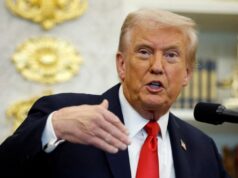
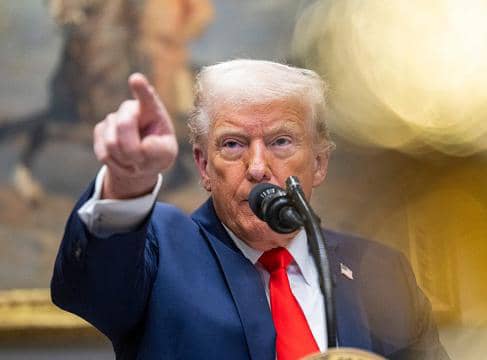
The recent statement by U.S President Donald Trump alleging the “persecution and genocidal extermination of Christians in Nigeria” has stirred intense debate both at home and abroad.
In several social media posts, Trump claimed Christianity faces an existential threat in Nigeria, even threatening to invade and cut off aid unless the killings stop.
His remarks have divided Nigerians. Some, frustrated by the country’s insecurity, welcomed the idea of U.S. intervention.
Others, recalling the devastation left behind in countries previously “saved” by America, warned against it. A few chose humour, sharing old clips of Nigerians testing homemade missiles as proof of military readiness.
Trump’s narrative of a “Christian genocide” is misleading. As U.S. envoy Massad Boulos and other observers have noted, terrorist violence in Nigeria has affected all faiths.
Christians, Muslims, and traditional worshippers alike have suffered. For Trump to single out Christians ignores the broader national tragedy, we are all casualties, to borrow from J. P. Clark’s poem The Casualties.
The truth is that America’s sudden interest in Nigeria is less about religion and more about politics and influence.
Washington’s new posture risks deepening divisions at a time when Nigerians need unity and context. It is worth recalling that this is not Trump’s first derogatory comment about Nigeria, he once called it a “shithole country” under President Buhari.
A careful reading of Trump’s recent statement also shows contradictions. He stopped short of calling the situation genocide and blamed radical extremists, not the Nigerian government or Muslims.
The violence here is complex, rooted in terrorism, communal conflict, and poor governance, not a state-sponsored plan to wipe out Christians.
Legally and factually, Nigeria does not fit the 1948 UN definition of genocide: a deliberate attempt to destroy an ethnic or religious group. There is no credible evidence of such intent.
What Nigeria faces instead is insecurity driven by criminality and extremism, problems that require reform and resilience, not foreign intervention.
Nigeria’s Ministry of Foreign Affairs responded appropriately, reaffirming the country’s commitment to religious freedom and its partnership with the United States in combating violent extremism.
Diplomacy, not outrage, is the way forward, a lesson exemplified by South Africa’s President Cyril Ramaphosa, who calmly countered Trump’s false claims about killings of white farmers.
Nigeria, Africa’s largest democracy, cannot afford a diplomatic clash with Washington. Both nations gain from cooperation and lose from confrontation.
What must prevail now is reason over rhetoric, and dialogue over division.