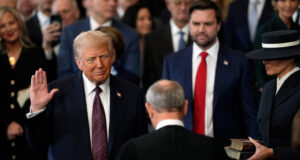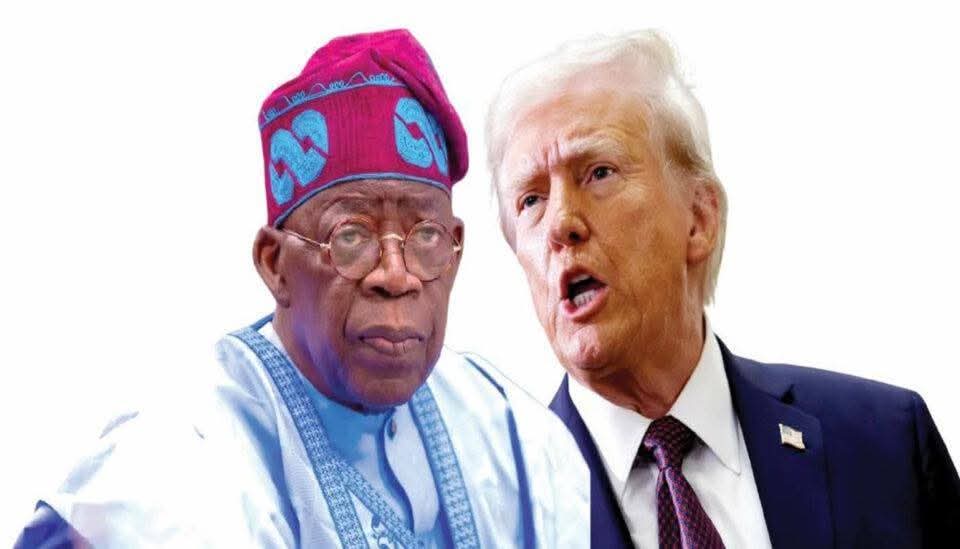

The United States has recalled its ambassador to Nigeria, Richard Mills Jr., along with several other American ambassadors serving in different parts of the world.
According to a report by Politico, the recall was ordered by President Donald Trump as part of efforts to realign US diplomatic representation abroad with his “America First” foreign policy agenda.
A State Department official confirmed that the affected ambassadors were appointed during the administration of former President Joe Biden and will formally conclude their ambassadorial duties in January.
While their postings as chiefs of mission will end, the diplomats may return to Washington to take up other roles within the US foreign service if they choose.
Africa has been the most impacted region, with ambassadors recalled from 13 countries, including Nigeria, Burundi, Cameroon, Côte d’Ivoire, Senegal, and Uganda.
Diplomats serving in the Asia-Pacific, Europe, the Middle East, South Asia, and the Western Hemisphere have also been affected by the shake-up.
In a statement, the State Department described the move as routine, stressing that ambassadors serve at the discretion of the president and are expected to promote the administration’s policy priorities.
“An ambassador is the personal representative of the president, and it is within the president’s authority to ensure that those representing the United States abroad advance the America First agenda,” the statement said.
Officials further clarified that the recalled ambassadors are not being dismissed from the foreign service and remain eligible to serve in other capacities within the department.
Nevertheless, the sudden changes are expected to cause operational adjustments across affected US embassies and could impact ongoing diplomatic engagements.
In Nigeria, the recall of the US ambassador marks a significant development in bilateral relations at a time when the country remains a key partner to Washington on regional security, economic cooperation, and development initiatives.
The decision has also raised concerns among some US lawmakers and the American Foreign Service Association, which represents US diplomats.